
In the context of house prices in major cities continuously hovering at high levels, the dream of owning a house is becoming a major pressure for many workers, workers and young families. Faced with that reality, the Government is oriented to promote the development of social housing for rent instead of just focusing on the housing ownership model.
Talking to Lao Dong Newspaper, Mr. Pham Duc Toan - General Director of EZ Vietnam Real Estate Investment and Development Company - said that housing development, especially the rental housing segment, is an urgent issue. Currently, the professional rental housing market is almost still neglected. The main supply comes from individual businesses, people's houses in old neighborhoods, dormitories for students or mini-apartments.
According to Mr. Toan, reality shows that these spontaneously developed products still reveal many inadequacies, from lack of utility systems to the risk of fire safety, and even many painful disasters have occurred.
However, the development of the professional rental housing segment requires macro policies from the State. The characteristic of rental housing is that the initial investment cost is large but the capital recovery process is difficult and prolonged. Besides the problem of "putting even money, collecting small money", businesses also face pressure on operation management, project maintenance and monthly rent collection.
To solve this problem, Mr. Pham Duc Toan proposed three options.
First, the State directly invests from the budget through investment funds for construction, then assigns it to operating units and recovers capital from monthly rent.
Second, businesses invest in construction and receive credit support from the State through preferential interest rate loan packages, even 0% interest rates for a long time, in order to solve the problem of capital recovery and improve economic efficiency.
Third, implement in the form of public-private partnership (PPP/BT), in which the State allocates clean land funds for businesses to build rental housing areas. To recover capital for businesses, the State can pay with land funds for commercial housing development in other areas. After completion, the rental housing fund will be assigned to local management or organization of bidding for exploitation and operation rights.
Ms. Pham Thi Mien - Deputy Director of the Vietnam Real Estate Market Research and Evaluation Institute (VARS IRE) - said that identifying rental housing as an important pillar will contribute to forming a more professional, systematic, safe and long-term stable market. At that time, the concept of "settling down and starting a career" will also be expanded, when people do not necessarily have to own houses but can still feel secure living through renting quality houses.
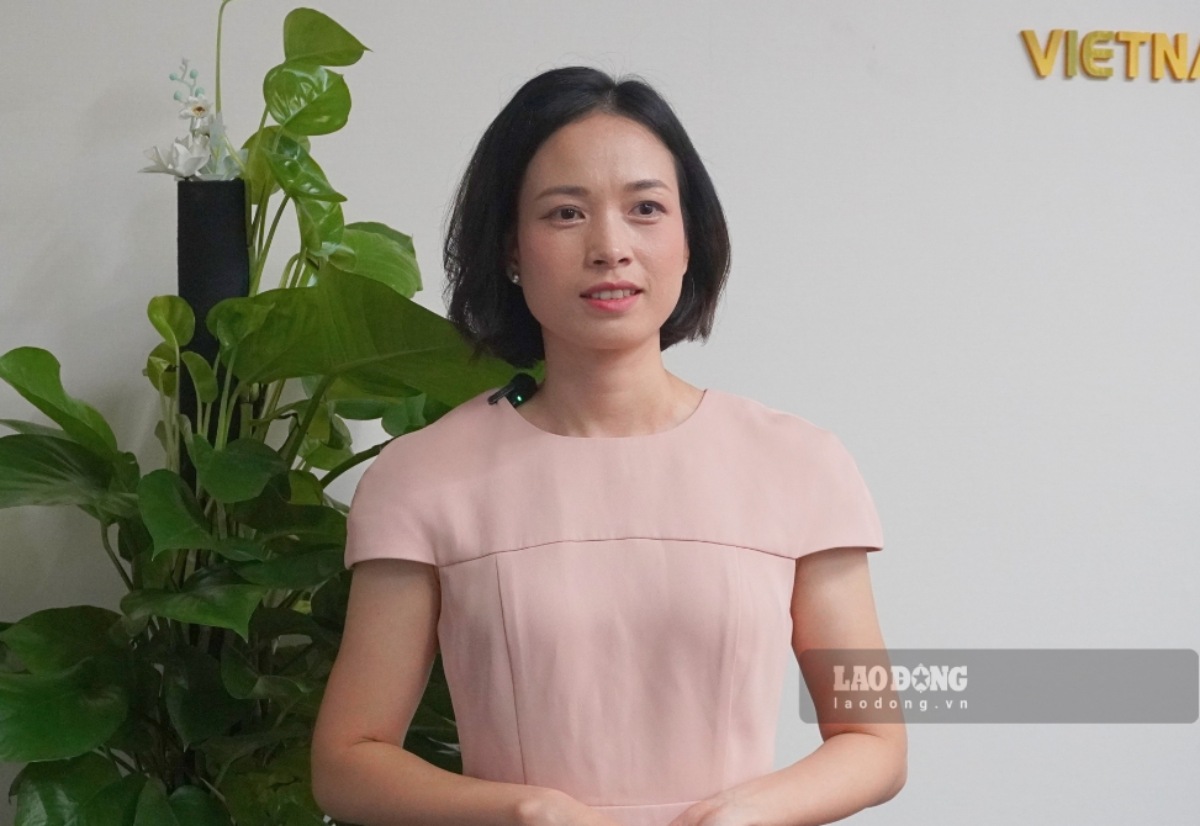
According to Ms. Mien, a professionally developed rental market also creates a direct competitive counterweight to real estate products for sale, thereby contributing to regulating the market and forcing house selling prices to adjust to a more appropriate level.
However, this is a major social security policy, so to be successful, the State must play a leading role. Developing rental housing causes many difficulties for investors because they have to spend large initial capital but the cash flow collected is small and fragmented, unable to recover capital as quickly as building houses for sale. Therefore, there needs to be a special mechanism and strong enough incentive policies to encourage businesses to participate.
When synchronous projects are developed with sufficiently large apartment funds, the market will gradually form a reasonable rental price level, aiming to help people rent living spaces at reasonable costs while still ensuring full amenities and safety requirements.


