After COVID-19, the healing trend in construction is focused on
Healing architecture is not simply a design style with aesthetics or functions, but a synergy approach between physical, emotional, and spiritual.
This trend exploits natural factors such as air, trees, environmentally friendly materials, sound, etc. to create a miniature ecosystem, serving the need for physical recovery and psychological balance for humans.
In Vietnam, this model has begun to be applied in some medical facilities, resorts and private houses. In particular, in the post-COVID-19 period, the need to seek a healthy shelter has become increasingly clear, encouraging investors, architects and construction materials manufacturers to strongly shift direction.
At the Trend 26+ publication of Vietnam Furniture Association at the end of May, architect Le Truong, Chairman of Vietnam Furniture Association said: "The trend is not a natural site born, but the result of the process of observation, selection and constructiveness.
According to experts, healing architecture is a clear demonstration of a profound trend, when it converges three factors: expertise, creativity and cultural context.
The space is designed to "heal" not only emphasizing natural materials but also promoting personalization and emotional connection. An apartment with an open balcony, an office located near a window, and a small garden between townhouses are all examples of an introverted design mindset, focusing on experience and the mental health of users.
When bricks and stones can also heal
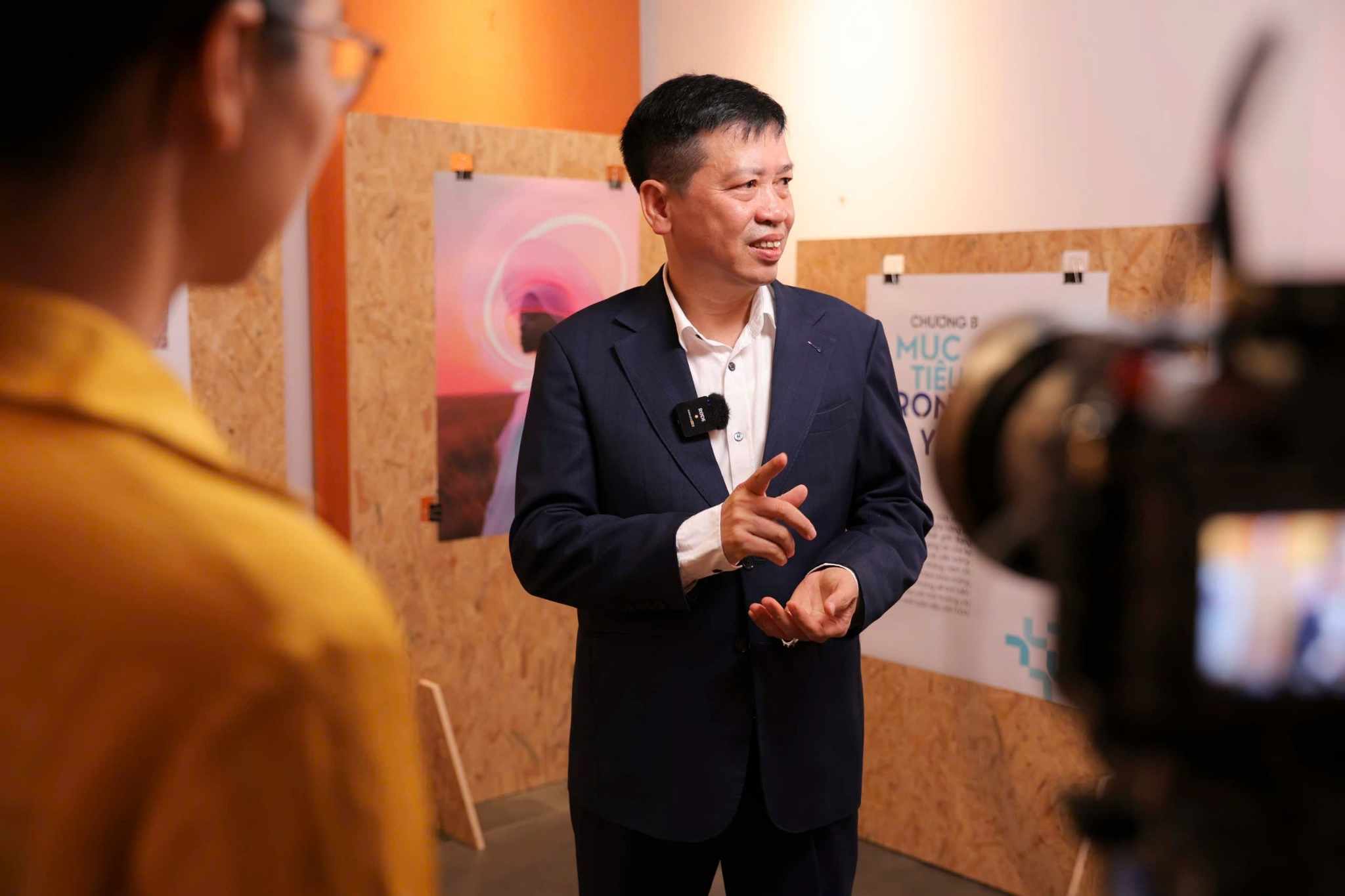
Talking to Lao Dong Newspaper from the perspective of construction materials, Mr. Mai Xuan Duc - General Director of Viglacera Brick and Boarding Trading Joint Stock Company said: "In the past, we have had the opportunity to meet and exchange regularly with people who create, update, apply trends, and are experienced. It is from that observation and listening that we see that the entire interior and exterior architecture industry is moving towards a common goal, sharing common needs.
According to Mr. Duc, the current need is not only to innovate materials or designs, but to seek a tool capable of analyzing and predicting deeper changes such as cultural values, aesthetics, consumer behavior and new technology.
It is a tool to better understand the underlying movements in creativity and the socio-economic context that is affecting the Vietnamese interior design industry in the coming period, Mr. Mai Xuan Duc emphasized.
An important factor in green, healing architecture is the materials used. Scaffolded bricks, glass, natural stone... now not only play a aesthetic and structural role, but also affect the feel, health and living experience of users. New product lines on the market are starting to focus more on environmental friendliness, health safety, temperature regulation, anti-slip, easy to clean and sustainable.
A material example of this trend is Viglacera's semi-porcelain tiles. This type of brick has a 3D shaped shape that helps improve outdoor space and create an open living space. The vivid 3D paintings completely create a wide feeling for users.
Similarly, large bricks also contribute to creating "vision healing" spaces with a seamless, airy feeling. Thanks to reducing the graft, the light and color spread more evenly, reducing the feeling of crowding in closed spaces. This is also a factor that makes the space comfortable, suitable for the trend of minimalist and balanced living.
Or the materials of bonded stone are also new materials towards the green transformation factor in construction. Unlike some types of artificial stone that use glue and resin, charcoal does not contain VOCs or toxic substances. This material does not release any substances into the air, ensuring a clean living environment. This material also does not contain free silica in the form that can be harmful as in the process of processing some other types of stone.
It can be said that although there is still a small flow, the appearance of projects, products and support tools that are predictable as Mr. Le Truong and Mr. Mai Xuan Duc mentioned shows that this trend is being built systematically. Architectural space for people, for people and for people is the future journey of design in Vietnam.