
In the context of artificial intelligence (AI), automation and digital transformation are profoundly changing the labor market, the Draft Political Report submitted to the Vietnam Trade Union Congress for the 2026–2031 term has received special attention from union members and workers nationwide. From the practical activities at the grassroots level, trade union officials and workers in Dong Thap province have contributed ideas with the "Three Shifts" strategy: Converting care models – Transferring technological capacity – Transforming intellectual property into economic value so that the Trade Union continues to play the role of a fulcrum for workers in the digital age.
Switching from administrative management to "digital ecosystem
The draft of the 14th Congress sets a goal to complete 100% digitization of union member data. According to many opinions from the grassroots level, this is an inevitable step, but what workers expect is not only to digitize management records, but to build a "digital ecosystem" to practically serve union members.
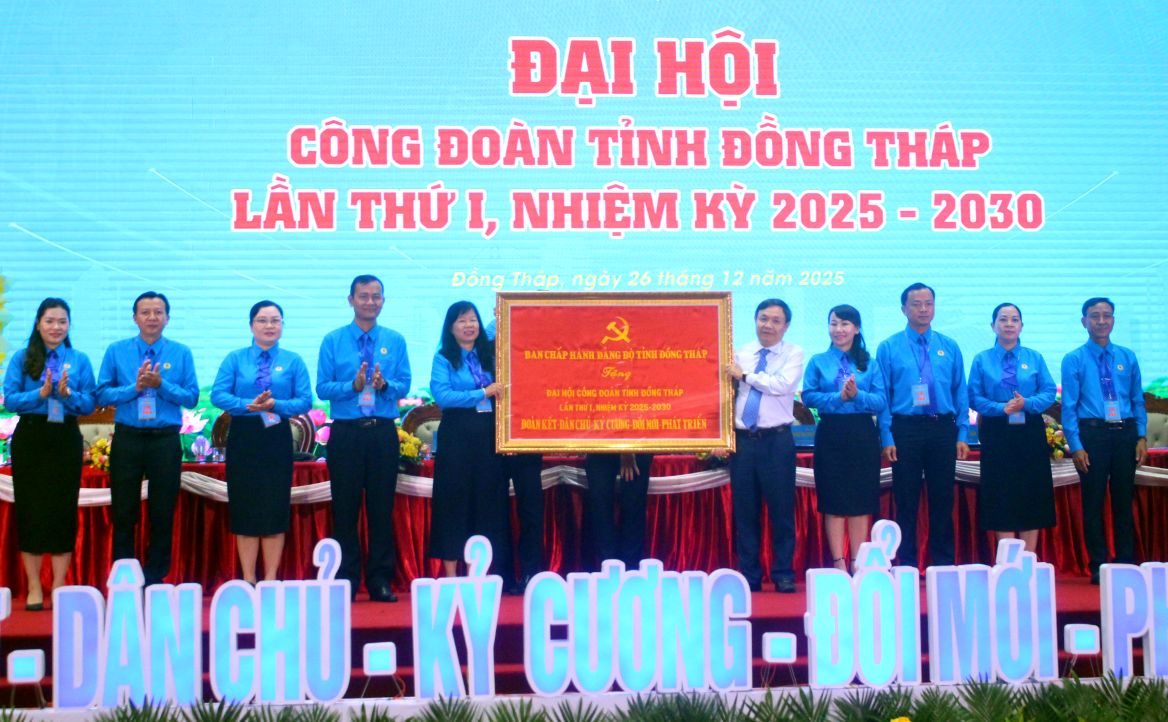
Many grassroots trade unions in Dong Thap have proposed strongly developing applications on smartphones so that union members can easily access the "Union Member Welfare" program, receive online legal advice or find job opportunities on trade union labor exchanges. Many opinions suggest that technology needs to be applied more strongly to reduce administrative procedures in supporting workers. When natural disasters, epidemics or unexpected events occur, trade union support sources need to be resolved quickly and transparently through digital platforms.
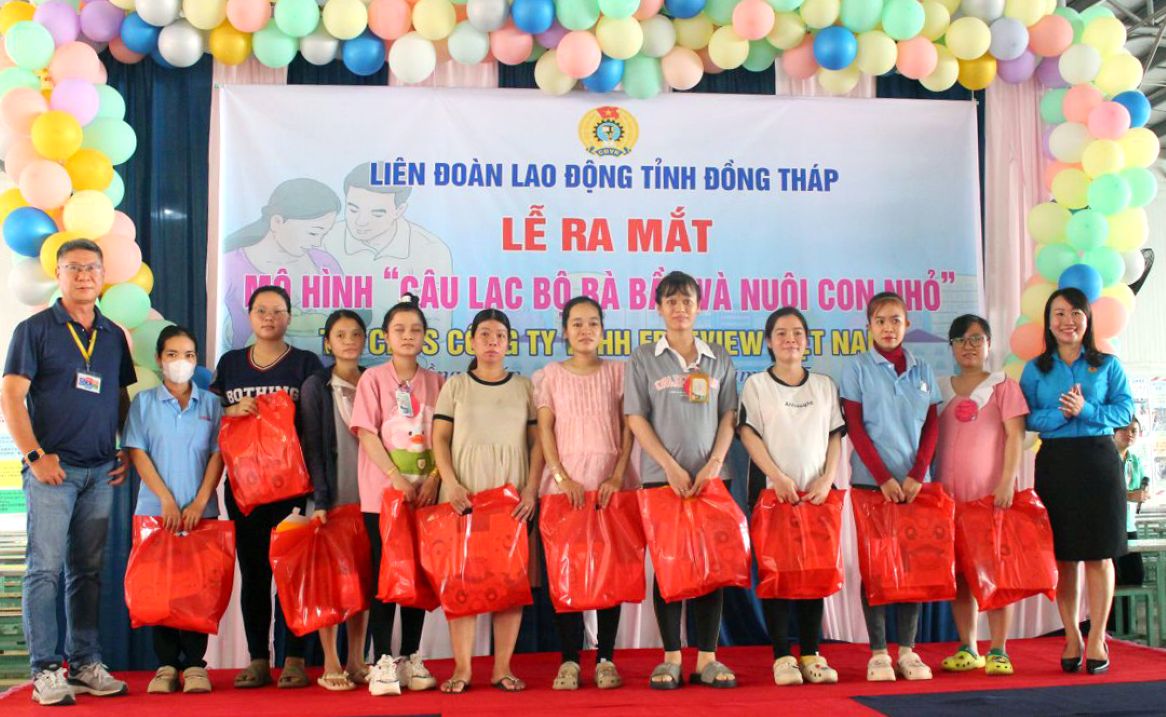
According to grassroots trade union officials, digital transformation is actually not just a technical story but also a change in the way union members are cared for in a modern, close and more effective direction, in line with the current trend of forming "digital workers", "digital labor".
Technology capacity transfer
If previously the biggest concern of workers was unemployment, now many workers are facing the risk of being replaced by robots and AI right in factories and production lines. The 4.0 industrial revolution is no longer a prediction but has directly impacted the working lives of workers. Therefore, many opinions from the grassroots level suggest that the Trade Union organization needs to shift from the thinking of "mobilizing learning" to the thinking of "training to adapt".
One of the notable proposals is to build a "Retraining Fund" for workers at risk of losing their jobs due to technology. This fund can be formed from the coordination between Trade Unions, businesses and social resources to support workers in learning new professions, updating digital skills or changing jobs.
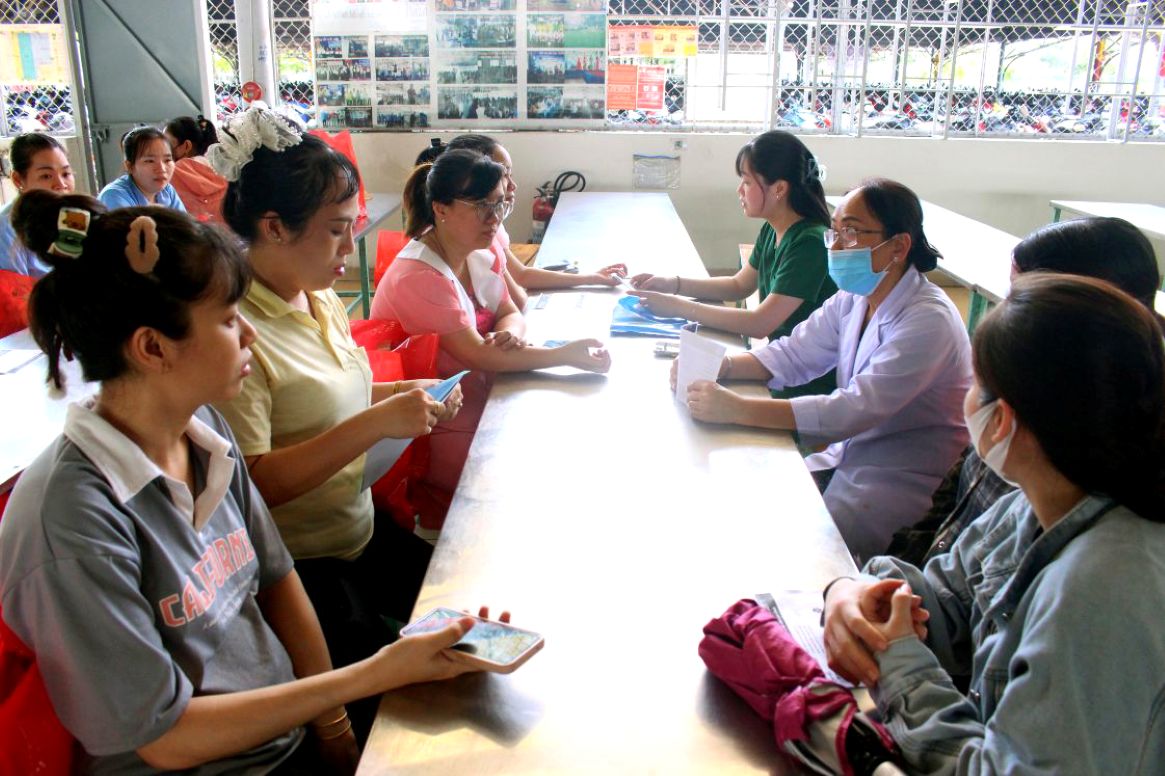
In addition, foreign language training programs, digital skills, and smart machine operation skills need to be organized more flexibly, and can be deployed online or right at the workplace to suit workers' conditions. According to many grassroots trade union officials, timely transfer of new knowledge and skills will help workers improve their adaptive capacity and maintain their initiative in the face of the changing labor market every day.
Converting initiatives into economic value
The draft of the XIV Congress sets a target of achieving 2 million initiatives in the next term. However, many opinions from businesses believe that the "Good Labor, Creative Labor" movement only truly creates motivation when the brainpower of workers is recognized by specific benefits.
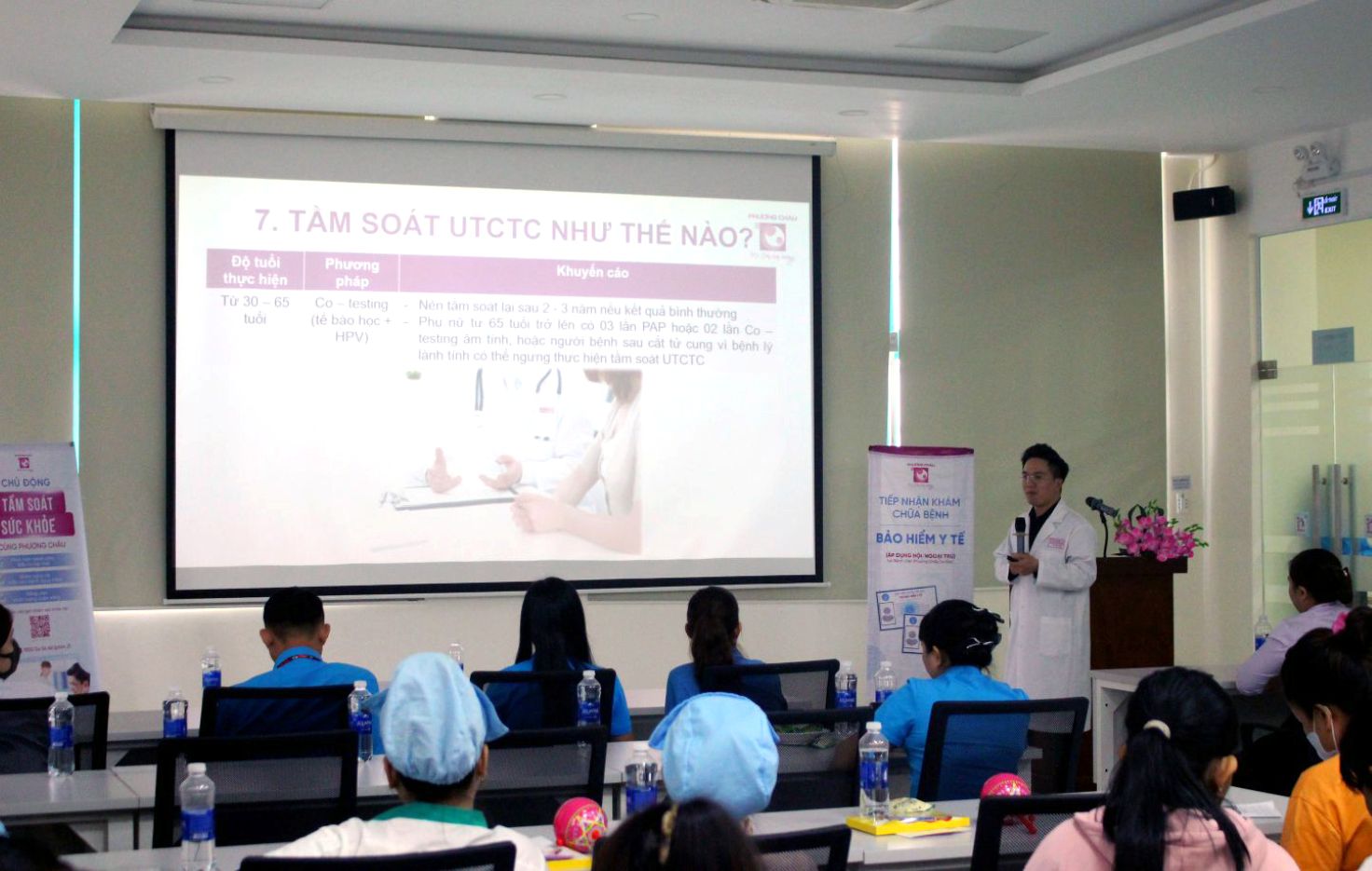
Grassroots Trade Unions proposed that the Trade Union organization should proactively negotiate with businesses to build a reward mechanism based on the profit value of initiatives. When workers see direct economic efficiency from their initiatives, the creative movement will spread more strongly and sustainably. At the same time, the procedures for awarding the title "Creative Labor Medal" also need to be streamlined so that technical innovation initiatives at workshops are recognized in a timely manner, creating motivation to improve labor productivity.
Another content that many union members are interested in is concretizing the "3 savings" movement, including saving time and labor; saving energy and resources; saving spending. According to opinions from grassroots levels, this movement needs to be quantified by specific criteria associated with labor productivity, income and green development goals of enterprises. When equipped with digital skills and knowledge about green economy, workers will proactively practice thrift more effectively, contributing to improving productivity and competitiveness for enterprises.
The "Three Shifts" strategy is not simply technical solutions but reflects a change in the thinking and action of the Vietnam Trade Union organization in the new era. If concretized in the Resolution of the 14th Vietnam Trade Union Congress, these proposals will contribute to creating motivation for the Trade Union organization to innovate more strongly, accompanying workers more effectively in the era of digital transformation and AI.


