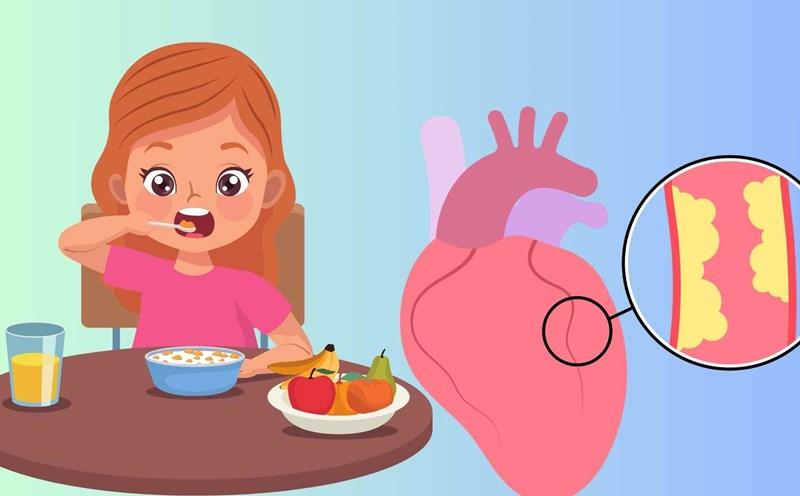
High blood fat is a condition of lipid metabolism disorder, causing an increased risk of stroke, heart attack and coronary artery disease. In addition to taking prescription drugs, many people are seeking natural herbs to support treatment, in which lotus leaves are outstanding for their ability to reduce blood fat and improve circulation.
According to the Journal of Ethnopharmacology, lotus leaves contain flavonoids, alkaloids and tannins active ingredients that can inhibit lipid absorption, reducing total cholesterol and triglycerides in the blood. A study in China shows that lotus leaf extract can reduce LDL cholesterol levels by up to 25% after 12 weeks of regular use.
Lotus leaves also help improve liver function, increase bile secretion and promote fat breakdown. In addition, the powerful antioxidant properties of flavonoids also help protect blood vessel walls and reduce the risk of atherosclerosis.
A popular way of using it is to dry lotus leaves and steep them like tea, drink twice a day after eating. Lotus leaves have a slightly sandy, refreshing taste, and can be combined with Sophora japonica or licorice to make it easier to drink. However, you should not abuse more than 10g of dried lotus leaves/day and should avoid using them when hungry because it can cause mild low blood pressure.
Experts emphasize that using lotus leaves is only for support. Adjusting your diet, regular exercise and having regular check-ups is still a core solution in controlling blood lipids.