
Strengthen inspection and monitoring of project progress
According to a report by the Ca Mau Provincial Department of Finance, the province's public investment capital plan for 2026 is 6,959.849 million VND; so far, 6,239.779 million VND has been allocated, reaching 89.7% of the plan. As of March 13, the disbursement rate reached 14.2% of the plan.
To accelerate disbursement progress, the Standing Committee of the Provincial Party Committee has established 5 supervisory teams to monitor the implementation of key projects in the province.
Supervisory teams regularly organize meetings to review progress, work with departments, branches, localities and investors to promptly remove difficulties arising during the implementation process.
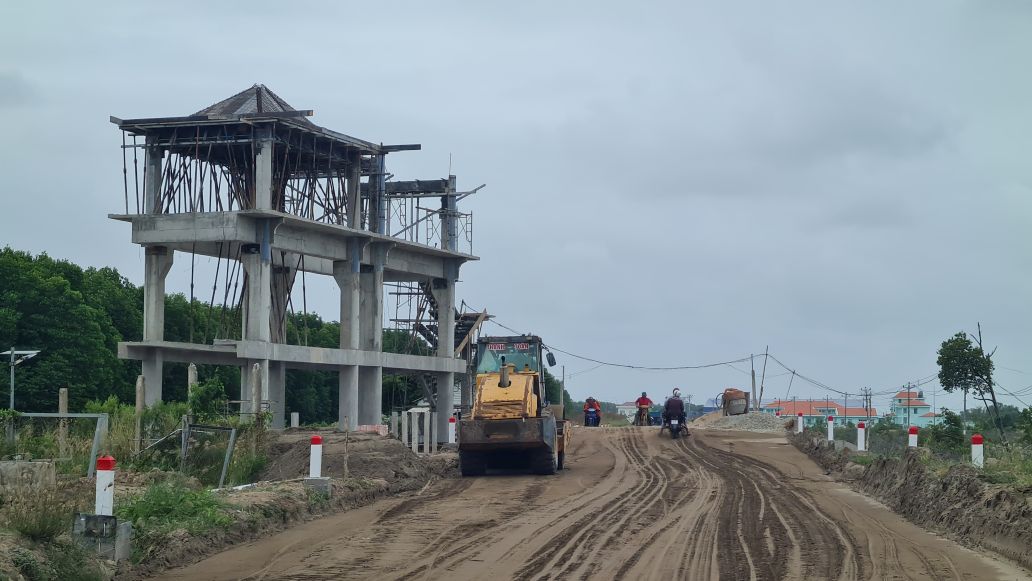
At the meeting to review the progress of public investment capital disbursement in 2026, Vice Chairman of Ca Mau Provincial People's Council Bui Tan Bay and Standing Vice Chairman of Ca Mau Provincial People's Committee Lam Van Bi chaired a meeting with relevant departments and agencies in mid-March 2026.
Delegates focused on analyzing the difficulties in the project implementation process, especially issues related to site clearance, construction material sources and bidding activities. At the same time, they proposed many solutions to accelerate the progress of implementation and disbursement of public investment capital in the coming time.
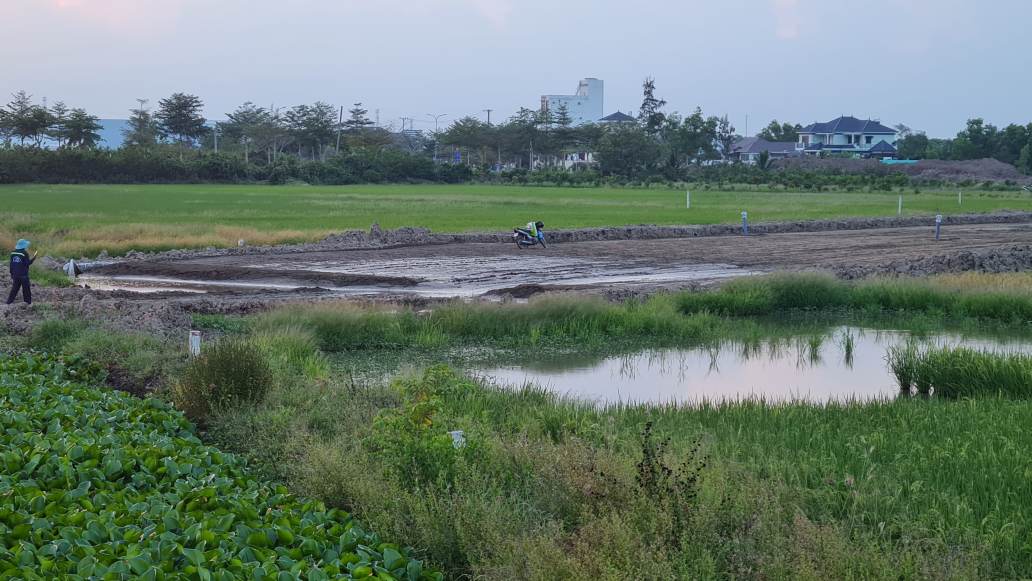
Standing Vice Chairman of Ca Mau Provincial People's Committee Lam Van Bi requested departments, branches, and localities to focus on promptly removing bottlenecks related to planning, land, construction materials and investment procedures. Investors need to improve the quality of project preparation work, clearly define the workload, progress and responsibilities of each unit.
At the same time, strengthen propaganda and mobilize people to agree in compensation and site clearance work, creating conditions for the implementation of key projects and works.
Focus on removing obstacles at key projects
In parallel with reviewing the disbursement progress, the supervisory teams of the Provincial Party Committee Standing Committee also monitored many key projects that play an important role in socio-economic development and disaster prevention in the province.
Including projects such as flood prevention embankments along National Highway 1; storm shelter and fishing port anchorage areas; landslide treatment, riverbed reinforcement; construction and upgrading of the East Sea dyke and dyke crossing culvert system; coastal landslide prevention and dyke protection works combined with traffic...
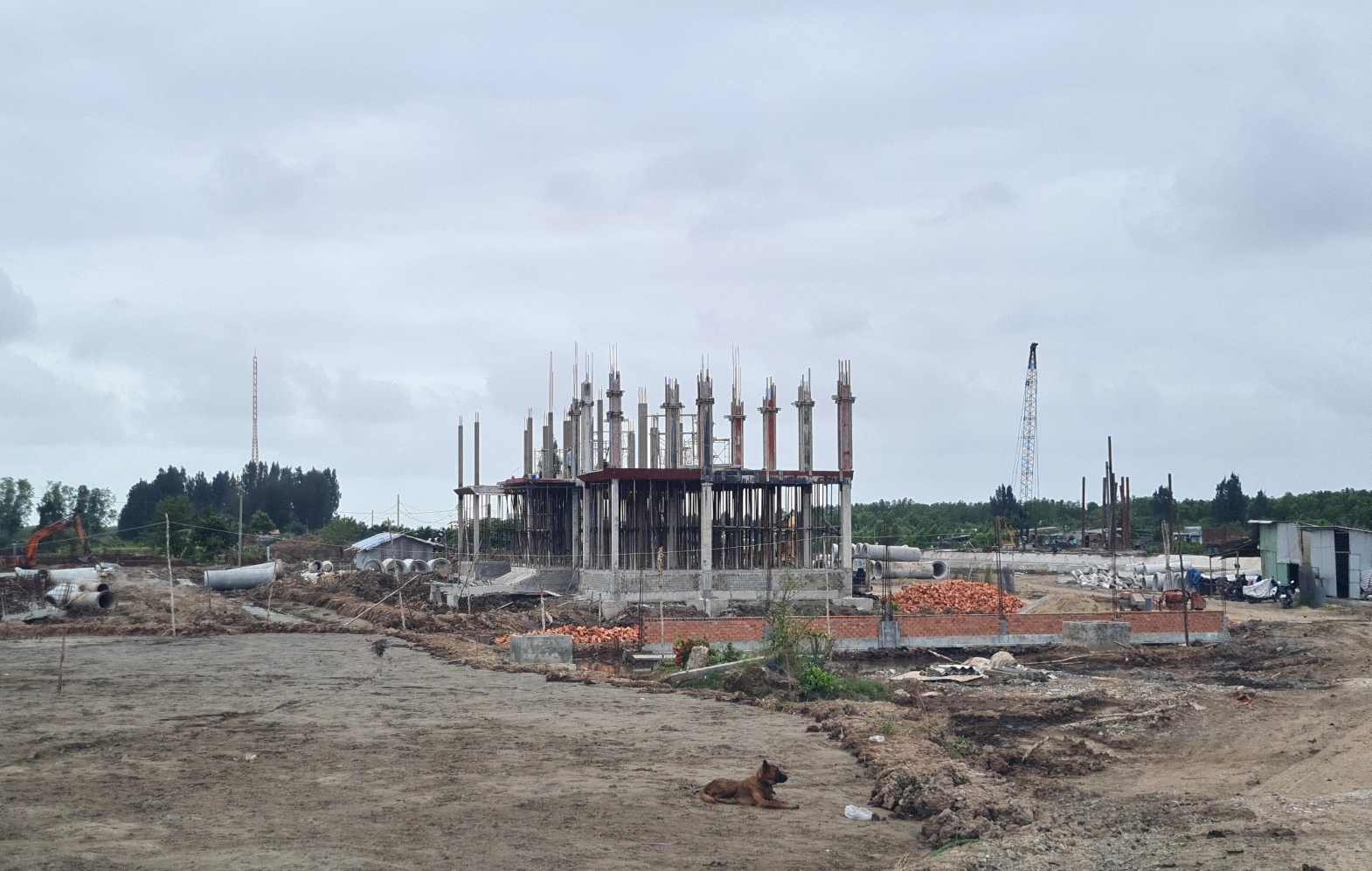
These are large-scale projects, associated with the task of disaster prevention, production protection and adaptation to climate change of the province. However, in the process of implementation, there are still many difficulties, especially site clearance; some contractors have limited capacity, affecting construction progress.
Mr. Huynh Quoc Viet - Standing Deputy Secretary of Ca Mau Provincial Party Committee - requested departments, branches, and local investors to review each project, clearly identify the causes of problems to handle them promptly; and at the same time strengthen coordination between units and promote propaganda and mobilize people to hand over land so that the project can be implemented on schedule.
For projects invested by the Agricultural Works Project Management Board, Vice Chairman of Ca Mau Provincial People's Committee Le Van Su requested relevant departments, branches, and localities to remove difficulties in compensation, support, and resettlement for projects invested by units.
According to reports at the meeting, some projects still encounter obstacles in site clearance work because some households do not agree with the compensation plan, propose adjusting compensation prices for residential land and assets on land, or arising land disputes.
Strengthening inspection, supervision and timely removing difficulties for projects is identified by Ca Mau province as an important solution to accelerate the disbursement of public investment capital, contributing to promoting socio-economic development and completing the local infrastructure system.


