
In early December, Hanoi continuously fell into the threshold of heavy pollution. On December 2, the capital's AQI reached 283, leading the country in air pollution. From the inner city to the main traffic routes, the thick layer of fog and fine dust causes reduced visibility, traffic is difficult and creates a feeling of suffocation, especially in the morning and at night.
According to Mr. Nguyen Nam Long (residing in Co Nhue, Hanoi), the air is thick and very difficult to breathe even though he always wears a mask when going out. Mr. Long said that every day when he goes to work in an area with construction works, there is a lot of dust and sand caused by dirt and sand from cars moving out of the construction site.
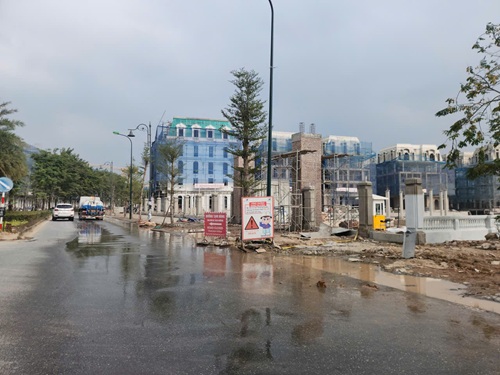
Sharing the same frustration, Ms. Nguyen Minh Thuy (in Dinh Thon, Hanoi) reported that her house next to the construction site had many sleepless nights due to the noise from the construction activities.
Faced with the above situation, in order to tighten environmental safety and hygiene management at construction works, Hanoi City has issued Decision 68/2025, requiring construction units to fully implement environmental sanitation regulations, from waste collection, transportation to treatment; at the same time, minimize dust, noise, vibration, not to affect the lives of people around.
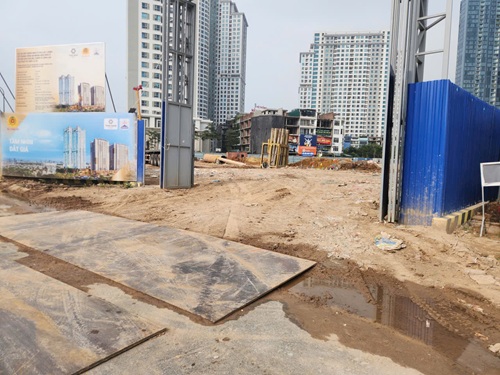
Although there are still many concerns about the actual implementation effectiveness, the majority of people support this decision and expect it to rectify construction activities, minimizing negative impacts on the air and the environment.
Associate Professor, Dr. Hoang Anh Le - Head of the Department of Environmental Management, Faculty of Environment, University of Natural Sciences, Vietnam National University, Hanoi - said that current legal regulations on environmental impact assessment are relatively complete, many construction sites have prepared reports according to regulations. However, implementation and supervision are still limited, leading to the common situation of fine dust, fallen materials, wastewater, garbage and vehicles entering and exiting the construction site causing pollution and obstructing traffic.
According to him, Decision 68 of the Hanoi People's Committee is the right and timely step. With a comprehensive approach, including environmental sanitation and construction order and safety, deciding to create an important legal framework, forcing investors and contractors to raise their responsibilities; at the same time, creating a clear basis for the authorities to inspect, check, and handle violations. Thereby contributing to reducing pollution and building a civilized urban area.
Associate Professor, Dr. Hoang Anh Le also said that in addition to the responsibility of investors and contractors, the Department of Construction needs to strengthen inspection, especially surprise inspection and apply technology in supervision. The Department of Natural Resources and Environment must strictly manage emissions, wastewater and comply with environmental commitments.
According to Associate Professor, Dr. Bui Thi An - Director of the Institute of Natural Resources, Environment and Community Development - the level of air pollution in Hanoi is very high and comes from many sources. Although the city has set low emission zones, pollution is still difficult to control due to the large number of dilapidated vehicles, straw burning in the suburbs, emissions from craft villages, as well as dust from construction and urbanization activities.
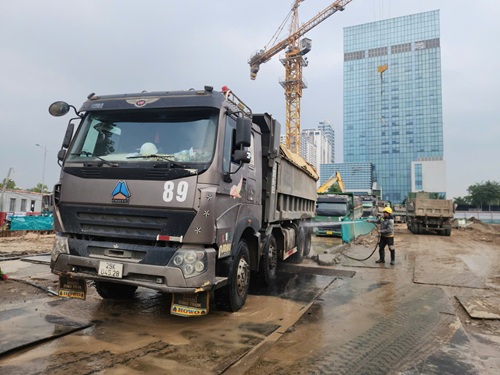
According to Lao Dong Newspaper reporters in Nam Thang Long and Tay Ho Tay areas (Hanoi), construction sites are all equipped with car wash bridges. Each time the vehicle left, there were two employees standing on both sides spraying with dishwashing water. However, the area next to the construction site still has dust due to the sand and dirt carrying the wheels onto the road.
Mr. Duong Van Son, an employee at a construction site in Tay Ho Tay urban area, said that there are about 100 vehicles entering and exiting each day. All vehicles carrying soil and rocks must be sprayed with washing water; however, it is only possible to reduce dust but cannot be completely cleaned. To minimize this, the construction site had to use a road washing truck and arrange staff to continuously clean.
Speaking to reporters, Mr. Mau Van Hoa - commander of a construction site in Hanoi - said that according to regulations, all vehicles carrying materials and supplies in and out of the construction site must cross the car wash bridge; works in densely populated areas must comply with more strict regulations.
Regarding the noise, Mr. Hoa said that projects near residential areas must ensure people's rest time, limiting construction outside of working hours and holidays. It is necessary and must be strictly implemented by competent authorities to strengthen inspection and supervision of construction works to minimize pollution to ensure the health of the people, Mr. Hoa emphasized.


