
At the seminar "Improving the Law on Environmental Protection: Opening up great opportunities for green agriculture" organized by Lao Dong Newspaper, Dr. Vu Duy Hoang - Deputy Director of the Center for Ecological Agriculture and Vocational Training, Vietnam National University of Agriculture - said that many farmers initially were concerned because they believed that emission reduction measures such as interspersed dry and wet irrigation, reducing chemical fertilizers, increasing the use of organic fertilizers or managing straw would increase costs or affect yields.
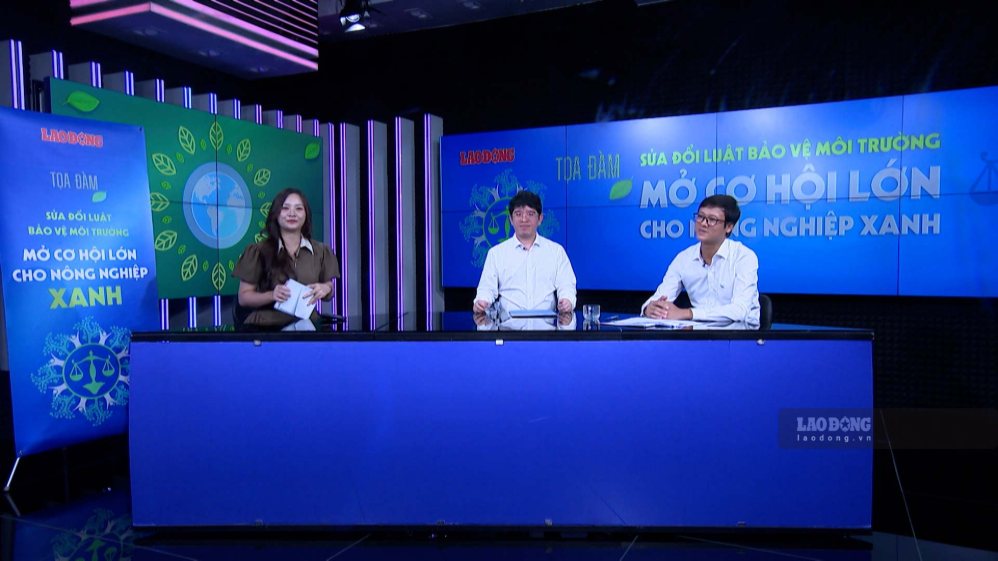
However, through the process of Vietnam National University of Agriculture coordinating with many localities to research and implement emission reduction models, we realize that emission reduction does not mean increased costs or reduced productivity. Conversely, if applied according to the correct process, many solutions also help improve production efficiency," Dr. Vu Duy Hoang informed.
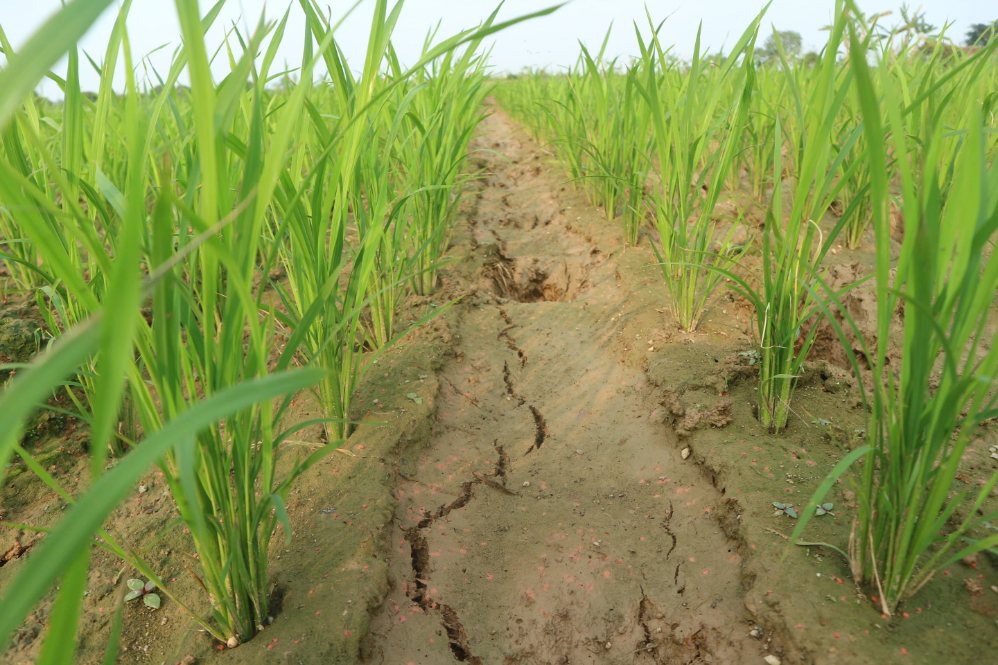
Dr. Vu Duy Hoang also analyzed that interspersed dry-wet irrigation techniques not only help save water, reduce irrigation pumping costs but also create conditions for root systems to develop better, rice plants to be harder, less lodged and can reduce pest and disease pressure. Thereby, people can reduce a part of plant protection costs.
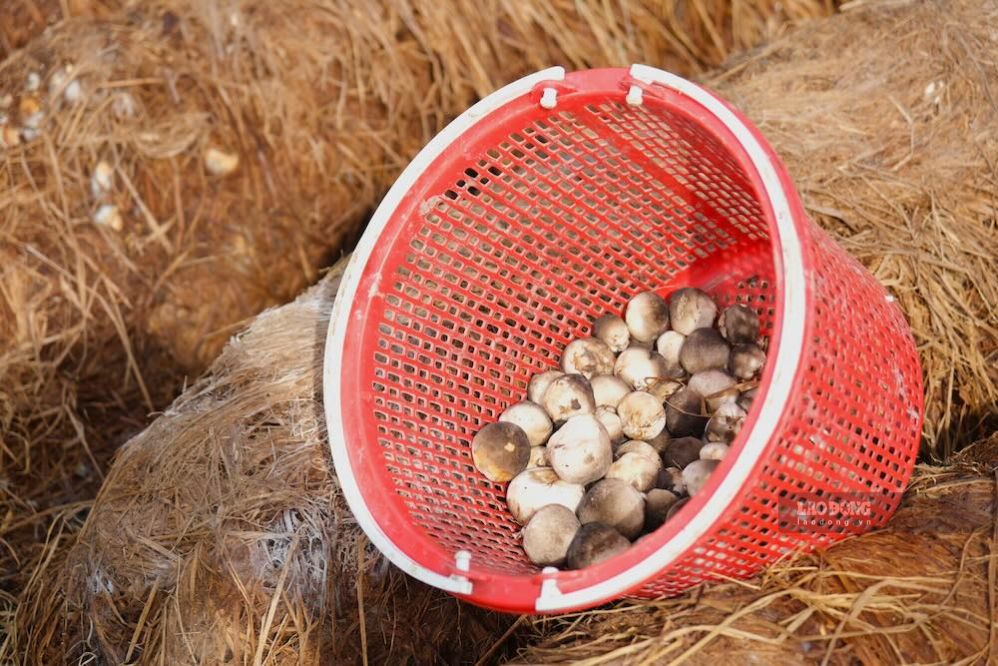
The use of chemical fertilizers reasonably, combined with organic fertilizers and microbial preparations, also helps improve soil health, improve the efficiency of nutrient use and limit fertilizer loss due to evaporation or wasting. For straw, instead of burning it, it can be treated right in the field with microbial preparations or used as animal feed, organic fertilizer, mushroom growing materials. These methods both reduce emissions and create added value from agricultural by-products.
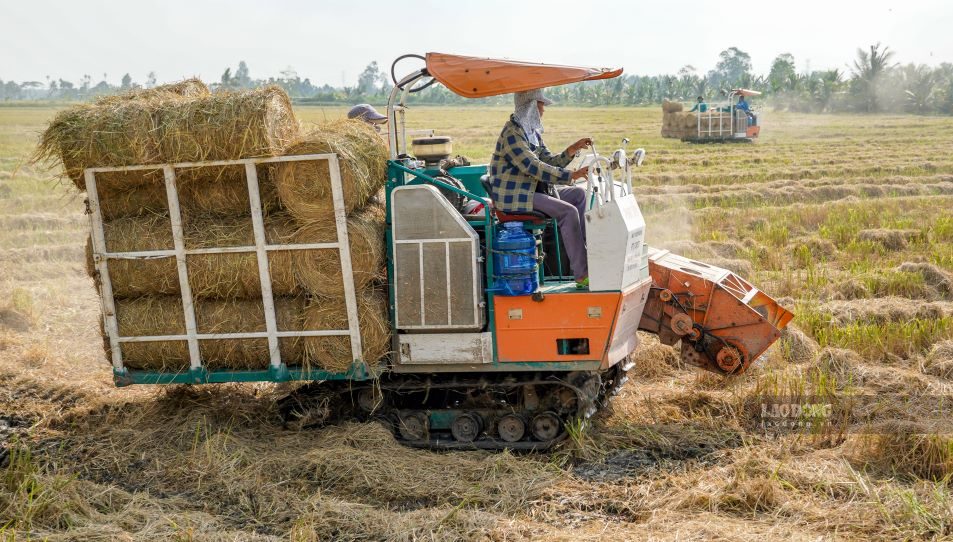
Of course, to achieve the desired efficiency, people need to be fully guided and apply it appropriately to the conditions of each region. At the same time, it is necessary to promote mechanization to avoid generating additional labor and there needs to be stable output linkages. If applied incorrectly or without the companionship of relevant parties, the efficiency will not be as desired, and may even affect productivity," Dr. Vu Duy Hoang added.
Agreeing with Dr. Vu Duy Hoang, at the seminar, Assoc. Prof. Dr. Nguyen Dinh Tho - Deputy Director of the Institute of Strategy, Policy on Agriculture and Environment - said that through practice in some localities, when applying agricultural models to reduce emissions correctly and synchronously, productivity can be higher and bring better economic efficiency.
Assoc. Prof. Dr. Nguyen Dinh Tho also emphasized the importance of technical staff in guiding farmers to practice in the first stage to get acquainted with new techniques and implement procedures correctly. Thereby, helping farmers to be more assured about costs and productivity.
When farmers are assured of yield and quality, they will be the best propagandists for applying low-emission rice farming solutions," Assoc. Prof. Dr. Nguyen Dinh Tho said.
According to the Deputy Director of the Institute of Strategy, Policy on Agriculture and Environment, not only in cultivation, including animal husbandry and aquaculture, farmers can apply the circular economy model instead of just focusing on one product as traditionally. When focusing on one product, farmers will continuously encounter the problem of "bumper crop, price drop, good price, crop failure", instead, the circular economy model, taking advantage of agricultural by-products will help increase productivity, reduce costs and improve farmers' living standards.
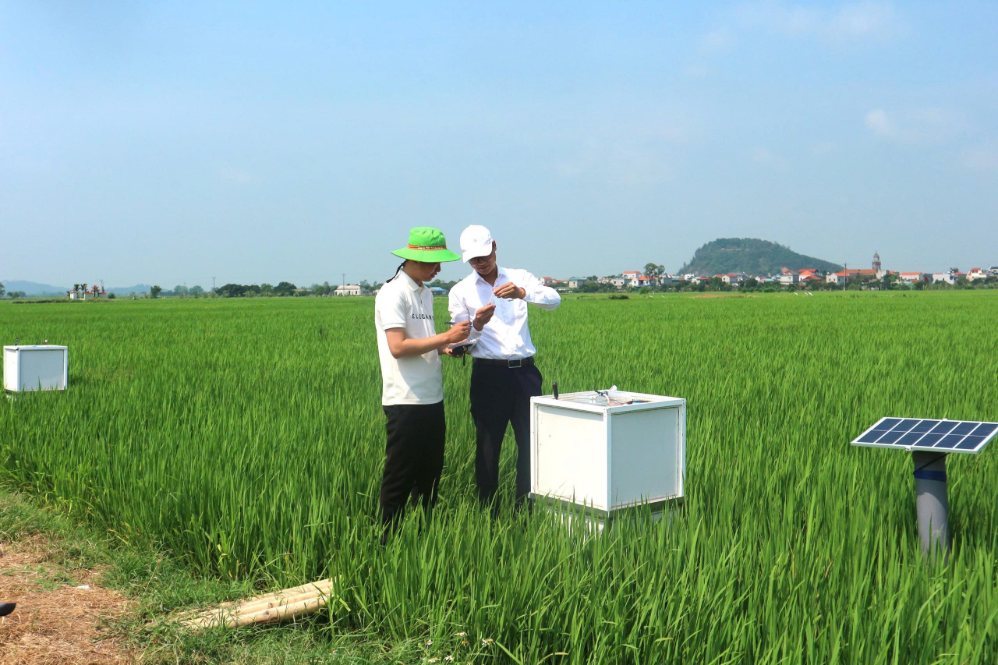
According to experts, when farmers see clear benefits in terms of productivity, cost and output of products, the transition to green agriculture will take place faster. At that time, the emission reduction target will no longer be a pressure but become a driving force to improve the value of agricultural products and develop sustainable agriculture.


