easily confused by name, far from the essence
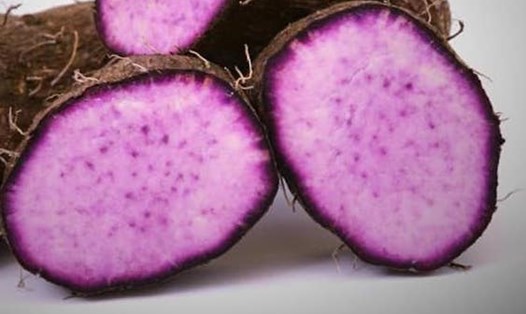
Fatty potatoes are native to Africa and Asia, with dark, rough skin, the intestines can be white, light yellow or purple, the main taste is starch. Meanwhile, sweet potatoes, a familiar family of Anh trai, have smooth skin, orange, yellow or purple intestines, natural sweetness, easy to eat.
This difference is not only in form but also clearly shown in nutritional value.
Comparing nutrients, each type is strong at one point
With over 100 grams of raw food, yams provide more energy, are rich in complex carbohydrates, potassium and phosphorus, suitable for heavy-duty workers who need energy supplements.
In contrast, sweet potatoes are lower in calories and have higher natural sugar content but are highlighted in vitamin A, especially orange sweet potatoes.
According to Suzanne Fisher, a US-based nutritionist: S sweet potatoes are one of the best sources of natural beta-carotene. This substance is converted by the body into vitamin A, which plays an important role in vision, skin and the immune system".
This is also the biggest advantage of sweet potatoes over yams, because yams are almost non-carotene beta.
The common value cannot be ignored
Despite their differences, both sweet potatoes and sweet potatoes are healthy foods, suitable for a balanced diet. These two types of tubers are both rich in fiber, which helps the digestive system work effectively, reduces cholesterol and supports blood sugar control.
Fatty potatoes and sweet potatoes all provide calcium, magnesium, phosphorus - minerals necessary for strong bones; potassium helps stabilize blood pressure and heart rate; vitamin C supports immunity and antioxidants. The bioactive compounds in these two roots also contribute to reducing inflammation and protecting cells.
There is no absolute answer to which is more nutritious. If you need high energy, yams are a good choice. If priority is given to weight control, enhancing eyesight and skin health, sweet potatoes, especially orange sweet potatoes, will prevail.
Nutritionists recommend alternating the use of both types in meals, simple processing such as boiling, steaming, baking to retain all nutritional value.