
Tomatoes are not only a familiar ingredient in the kitchen but also contain wonderful nutritional values, especially for those who are experiencing high uric acid.
Here are 4 outstanding effects of tomatoes. Tomatoes can be part of a balanced diet, supporting metabolic and cardiovascular health.
| Notable nutrients in Tomatoes | Physiological mechanism of action | Effective support for uric acid levels |
|---|---|---|
| Can contribute to creating a plant-rich diet. | Helps adjust and rebalance blood pH. | It can support maintaining a healthy diet for people with high uric acid, limiting the risk of urate crystal precipitation in joints. |
| Kali mineral | Maintain electrolyte balance, supporting optimal kidney filtration function. | |
| Natural fiber | Improve bowel movements, nourish beneficial microorganisms. | Fiber helps support digestion and maintain a healthy diet. |
| Lycopene active ingredient | Extremely strong antioxidant, protects cell membranes from free radicals. | Lycopene is an antioxidant, which can help reduce oxidative stress related to inflammatory reactions, contributing to protecting cartilage tissue in gout patients. |
Can support uric acid neutralization
Uric acid is a byproduct produced from the process of purine metabolism in food. When there is excess, they easily crystallize at the joints, causing inflammation and swelling.
Some plant-based foods such as tomatoes are often included in the diet for people with high uric acid because they contain a lot of water, potassium and antioxidants. However, there is currently no strong enough evidence to confirm that tomatoes can directly reduce blood uric acid levels.
Rich potassium contributes to supporting kidney function
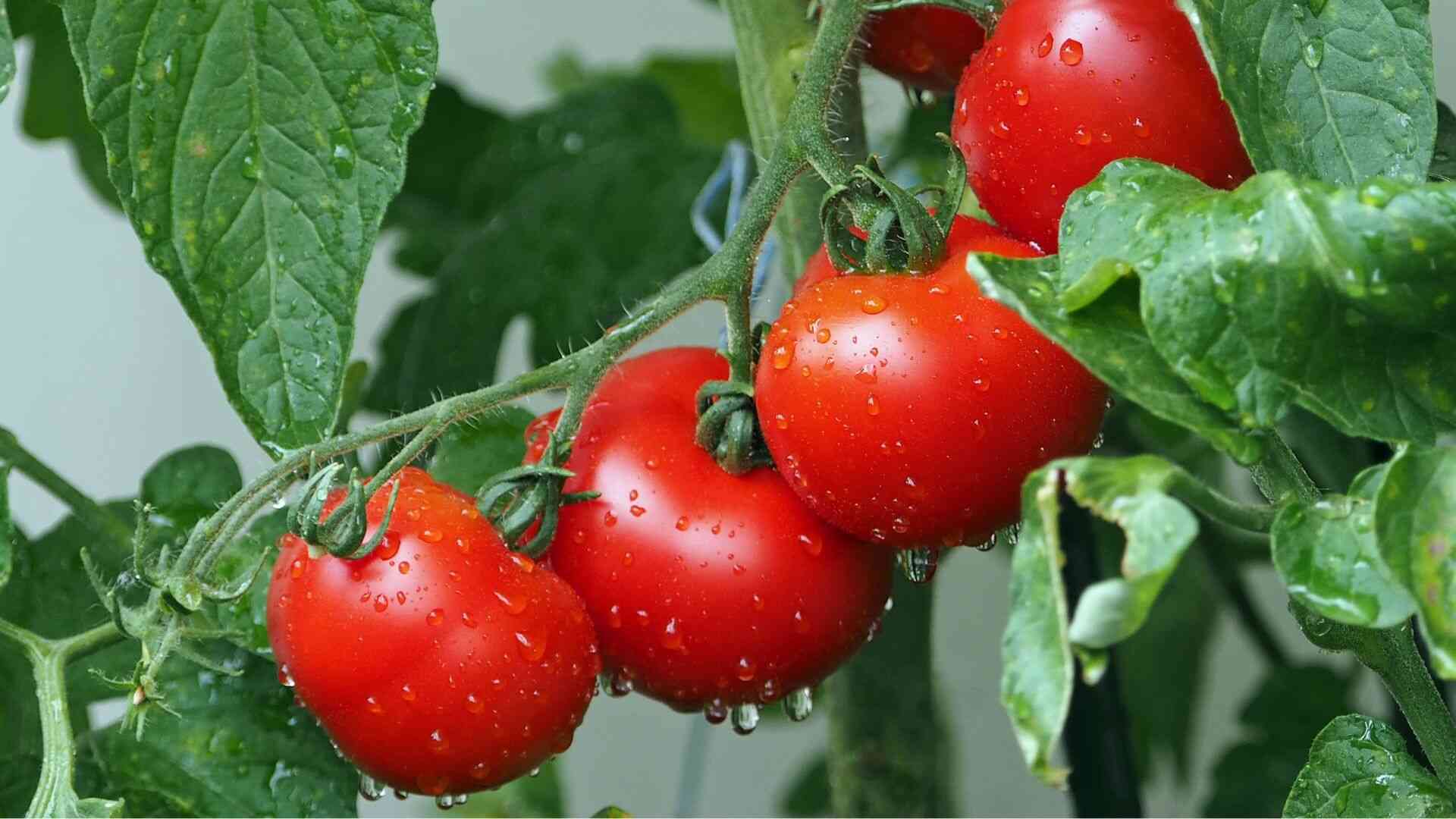
Kidneys are the main organs responsible for filtering and excreting uric acid. Tomatoes are a great natural source of potassium, a mineral that plays a central role in electrolyte balance.
A sufficient amount of potassium in the diet can support maintaining kidney function. This not only contributes to promoting the secretion of uric acid through urine but also supports preventing the risk of kidney stones.
Abundant fiber supports digestive system purification
A report from WebMD indicates that the content of soluble and insoluble fiber in tomatoes has the ability to support improving bowel movements.
Fiber contributes to creating a buffer, helping to support digestion and maintain a healthy diet. At the same time, the combination of fiber and Vitamin C in tomatoes also supports nutring a healthy gut microbiome, indirectly helping the body control uric acid levels better.
Lycopene supports natural anti-inflammatory
The most expensive ingredient that creates the characteristic red color of tomatoes is Lycopene. For gout patients, arthritis is the biggest nightmare. Regularly absorbing Lycopene can help soothe natural inflammatory reactions, which can help reduce oxidative stress related to inflammatory reactions.
Advice when adding tomatoes to the menu
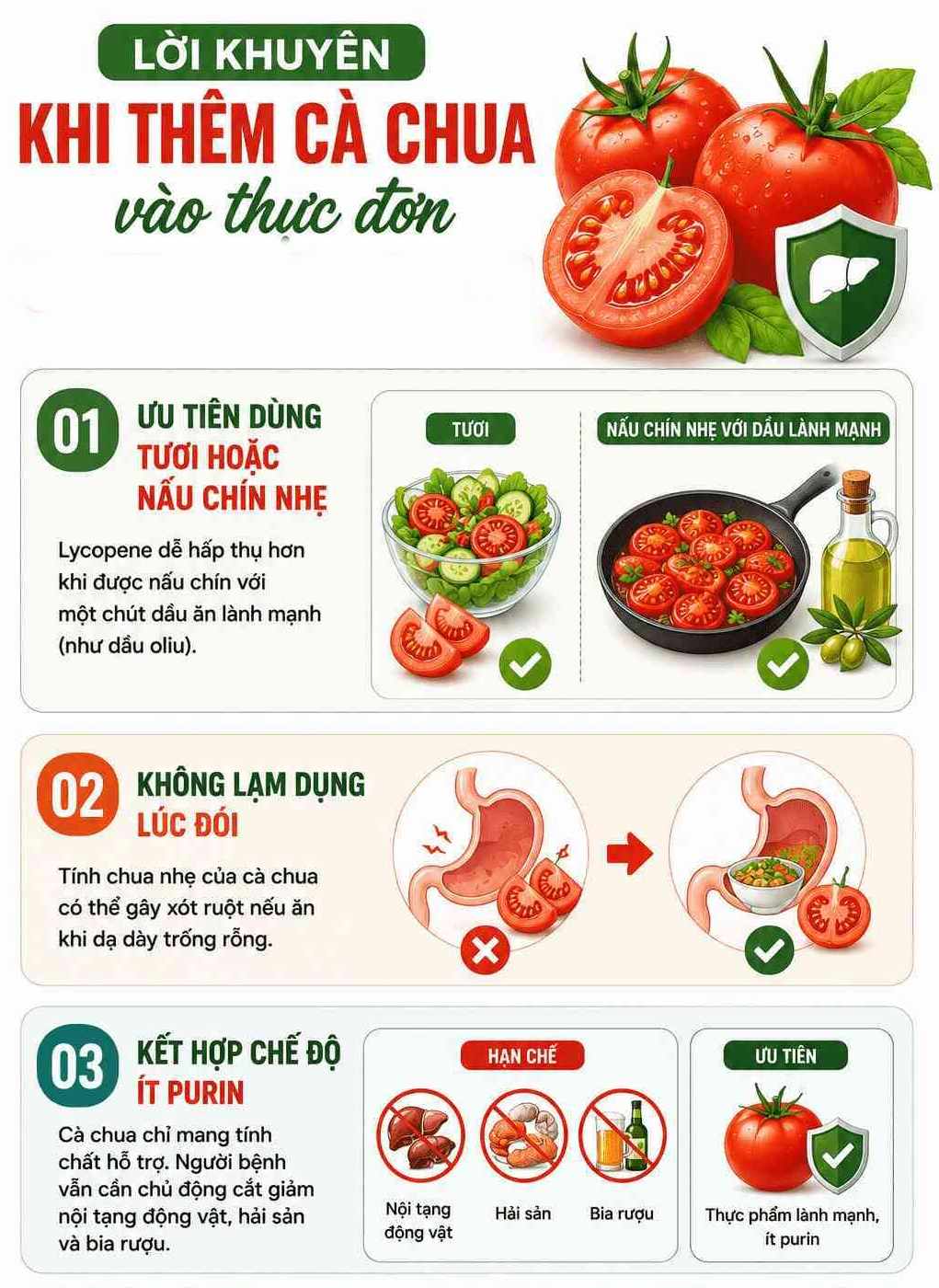
Although it brings many anti-inflammatory benefits, the reaction to tomatoes in each body is different, some sensitive people may still have increased uric acid. The information in the article is for reference only, not for medical diagnosis or treatment. You should talk directly to your doctor for accurate advice and appropriate to your health condition.
Quick quiz on eating tomatoes for people with high uric acid
Should tomatoes be eaten raw or cooked to bring the best benefits to the joints?
Cooking can help the body absorb lycopene better. Nutrition experts from Mayo Clinic point out that, although raw tomatoes are rich in Vitamin C, when processed at high temperature (especially with a little vegetable oil), Lycopene tends to be easier to absorb after heating, helping the body easily absorb to support anti-inflammatory.
Can people with gastroesophageal reflux syndrome with a high uric acid index eat tomatoes?
Can be eaten but in the right way. Doctors on the medical website WebMD note that tomatoes are naturally acidic, if eaten on an empty stomach, it is easy to increase gastric juice secretion causing irritation. People with a history of stomach pain should only eat tomatoes that have been cooked soft and eat them immediately in main meals to avoid irritating the mucous membrane.


