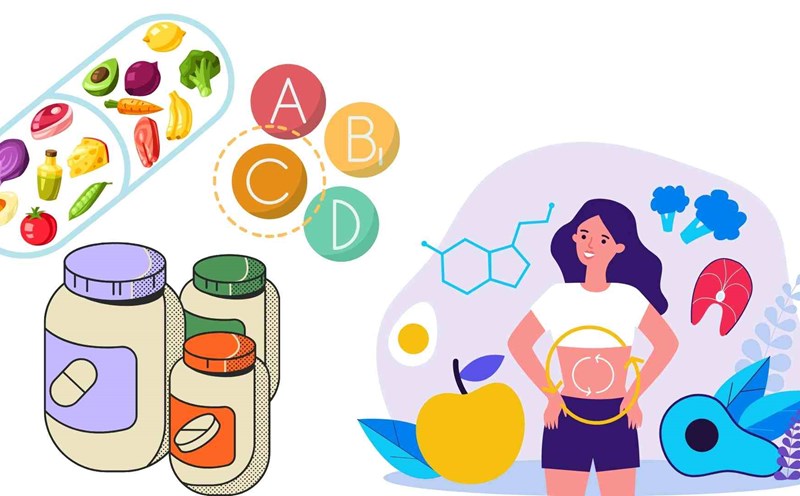
When men enter their 30s, their bodies begin to experience noticeable changes in metabolism. Decreased muscle mass, hormonal changes and modern lifestyle lead to the body burning energy more slowly. As a result, weight gain, reduced energy levels and the risk of chronic diseases such as diabetes and high blood pressure also increase.
What is metabolism?
Metabolism is all the chemical processes that take place in the body's cells, helping the body breathe, move, heal wounds and maintain physiological functions. This process determines how the body burns calories from daily food and drinks.
Changes in metabolism after the age of 30
According to Dr Medha Kapoor, senior nutrition and health consultant at the Varsity Dermatology and Health Clinic (India), after the age of 30, men often lose 35% of their muscle mass per decade, causing a significant reduction in metabolic rate, while testosterone levels decrease, also increasing the ability to accumulate excess fat.
Modern lifestyles, including lack of exercise, stress, inadequate sleep, an unbalanced diet and polluted environment, have an even negative impact on metabolism, affecting overall health and energy.
Diet helps increase metabolism after the age of 30
Increase protein: Protein helps maintain and build muscle. Protein should be distributed evenly throughout meals and snacks. Suggested foods: lean meat, fish, eggs, dairy products, soy and beans.
Add complex carbohydrates: Instead of simple carbohydrates that cause sudden increases in blood sugar, you should choose whole grains, oats, sweet potatoes to maintain stable energy.
Eat foods rich in fiber: Fiber helps digestion well, controls blood sugar and maintains satiety. You should add green vegetables, fruits, lentils and nuts.
Add healthy fats: Fats like omega-3, olive oil, avocado, fatty fish help produce hormones, including testosterone, which support muscles and metabolism.
Regulate calorie intake: Maintain the right calorie intake, not too little to slow down metabolism, not too much to lead to weight gain.
Drink enough water: Water helps metabolism and digestion effectively, reducing the risk of fatigue and health problems.
Supplement micronutrients: Vitamin D, magnesium, and B vitamins help maintain muscle and metabolic rate.
Note
Metabolism is a continuous process to maintain energy and body functions. After the age of 30, men need to pay attention to diet, sleep and lifestyle to maintain an effective metabolism, stay energetic and healthy. These positive changes help prevent weight gain, chronic diseases and maintain long-term health.