Milk is a source of calcium, protein and many important vitamins for bones and muscles. However, for people with high cholesterol, the question is whether drinking milk will worsen blood fat disorders. According to experts, the problem is not in the milk itself but in the saturated fat content in each type.
Cholesterol is a waxy fat in the blood, necessary for hormone production and cell structure. Risks arise when low-density lipoprotein cholesterol increases, causing plaque buildup in arteries, leading to atherosclerosis. Dr. Sushant Srivastava, a cardiologist, said: "Low-density lipoprotein cholesterol can narrow blood vessels, increasing the risk of myocardial infarction and stroke. Diet control plays a key role.
Fat content determines impact
Pure cow's milk contains about 3.25% fat, including many saturated fats, which can increase low-density lipoprotein cholesterol if used regularly. Buffalo milk even contains 8-10% fat, which is not suitable for people with cardiovascular disease. Goat milk has a slightly higher fat content than cow's milk and should be used in moderation.
Conversely, low-fat and skim milk still provide calcium and protein but significantly reduce saturated fat. The American Heart Association recommends reducing saturated fat to lower low-density lipoprotein cholesterol.
Professor Frank Hu, a nutritionist and epidemiologist at the T'Chan School of Public Health at Harvard University, USA, said: "Weight is more important than completely eliminating milk. Choosing low-fat products or replacing them with plant sources can support cardiovascular health.
Is vegetable milk an alternative?
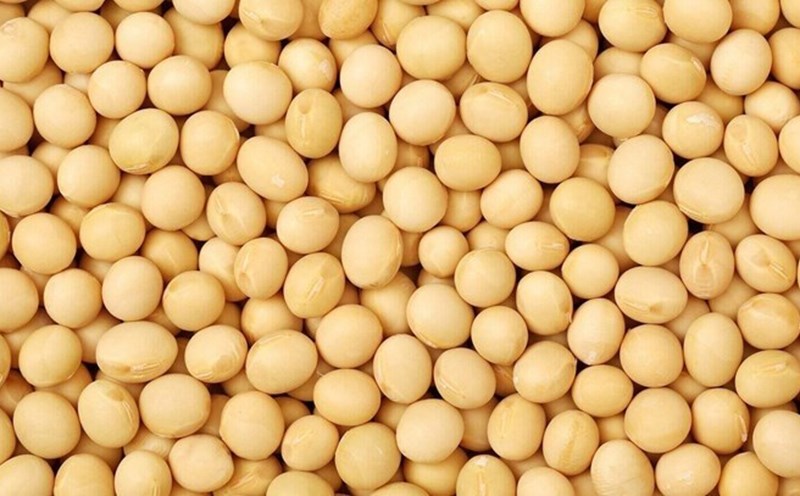
Natural vegetable milks are cholesterol-free and low in saturated fat. Almond milk is rich in beneficial unsaturated fats. Soy milk contains vegetable sterols that help reduce cholesterol absorption. Oat milk is rich in beta glucan, a soluble fiber that has the effect of lowering low-density lipoprotein cholesterol. However, you should choose types without added sugar.
Experts recommend that people with high cholesterol should consume 1-2 cups of low-fat milk or skim milk per day; whole milk should be limited to under 150 ml. A smart choice will help balance nutrition while protecting the heart.