
When the US threatened to impose tariffs on countries selling oil to Cuba, the Caribbean island nation faced a serious energy shock. But instead of completely wavering, Cuba chose a different path: Accelerating solar power development with strong support from China.
Mr. Trump's January 29 decree established a mechanism to impose additional tariffs on goods imported into the US from any country that sells oil to Cuba. This move is seen by many experts as a "reality embargo".
The consequences are clear: Food and transportation prices in Cuba skyrocketed, gasoline and oil were distributed in small drops through applications, and the black market operated bustlingly with prices many times higher than official prices.
The electricity crisis became severe. In many areas, especially in the poorer east, power outages lasted up to 24 hours. Nighttime street lights were turned off, tourism - once a pillar of the economy - weakened. Aviation had difficulty refueling, passenger buses were parked, and many hotels had to close.
The chain reaction is spreading in the context that Cuba is still overcoming severe damage from Hurricane Melissa at the end of last year, which affected millions of people.
However, while oil supplies are being tightened, China has emerged as a "lifebuoy" for clean energy. The agreement signed at the end of 2024 between the two countries paved the way for the construction of 7 solar power parks with a total capacity of 35MW.
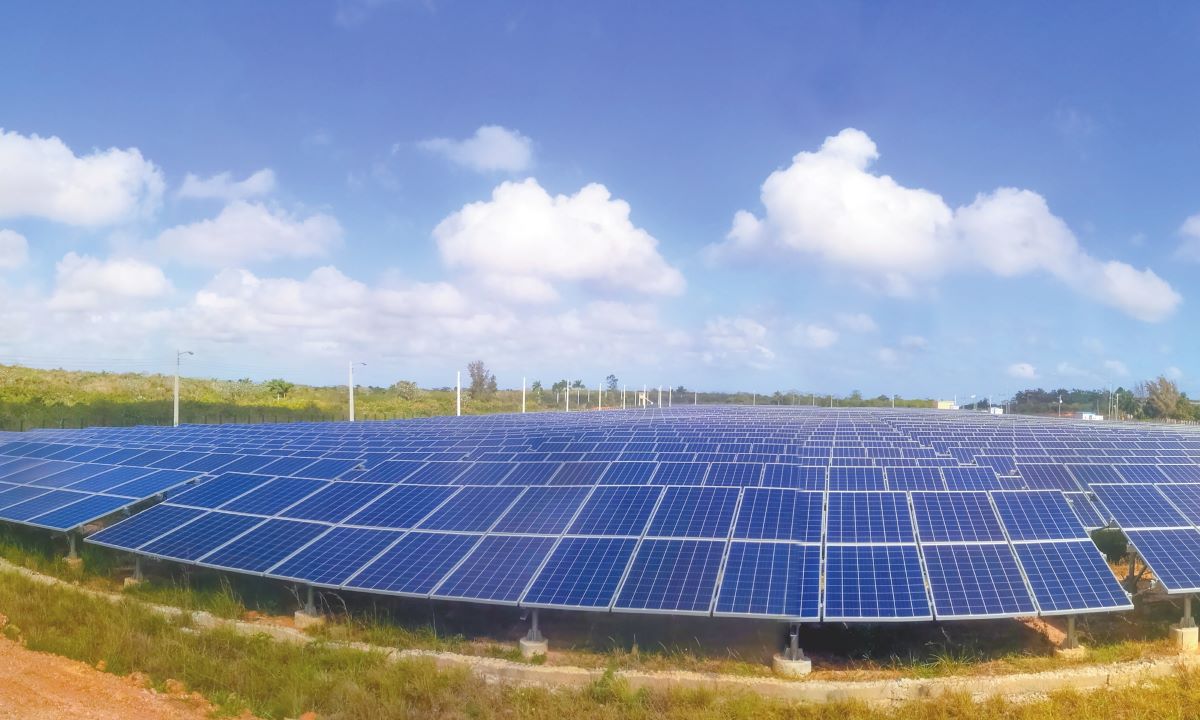
The long-term plan is much more ambitious: By 2028, Cuba is expected to have 92 new parks, increasing the total capacity to about 2GW.
Data from the research organization Ember shows that in just 1 year, imports of solar panels from China into Cuba increased 34 times - the fastest rate in the world. By October 2025, 35 solar power parks had been completed, reaching a maximum capacity of about 750MW. Havana's goal is that by 2035, 26% of the national electricity demand will come from renewable sources, compared to about 5% currently.
However, the path to transition is not smooth. Experts estimate that Cuba needs 8-10 billion USD in the next decade to realize its green strategy. This is an amount that exceeds the financial capacity of the depleted economy.
Another problem is that solar power is only generated during the day, while peak consumption falls in the evening. This requires a large-scale battery storage system - the most expensive part of a renewable energy project.
And once again, China continues to play a key role. According to EU News, Cuba is importing storage batteries from Beijing at a "dizzying" pace, to solve the problem of peak hour power shortages.
Amidst the vortex of sanctions and crisis, Havana's choice shows a new reality: When oil is tightened, solar energy can become a way to survive - and also a new geopolitical bridge between the Caribbean and Asia.


