On December 3, Italian Foreign Minister Antonio Tajani said that in the context of talks on a potential peace deal, continuing to provide weapons to Ukraine may no longer be necessary.
According to Mr. Tajani, if the conflict ends, Kiev will need more security guarantees than new batches of US-made weapons.
If an agreement is reached and fighting stops, weapons will no longer be needed. Other things, such as ensuring security, will become important, Tajani told reporters in Brussels.
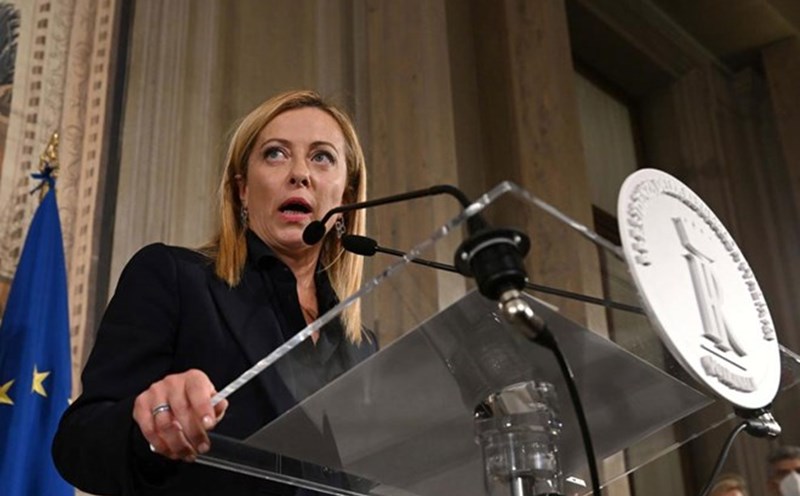
This move is considered the clearest signal that the government of Italian Prime Minister Giorgia Meloni is adjusting its stance on supporting Ukraine.
Rome has previously tightened its defense budget for months, faced disagreements within the alliance and gradually adopted a more cautious approach to arms aid.
Tajani's statement also made Italy the first European Union (EU) country to publicly "step one foot away" from providing additional weapons to Kiev during sensitive diplomatic negotiations.
Italy's decision raises questions about coordination within the alliance, and could fuel debate on each country's responsibility in the face of continued military pressure from Russia.
Notably, Italy's statement contraries the stance of European defense corporations and many NATO allies, which affirmed that even with the prospect of a ceasefire, support for Ukraine and maintain defense production, it is not allowed to slow down.
Recently, Kiev has repeatedly said it needs at least 1 billion euros in arms aid this winter under the priority list of Ukraine (PURL) program to maintain defense.
Accordingly, NATO Secretary General Mark Rutte called on its allies to spend at least $1 billion a month to purchase US weapons to Ukraine.