
At the national conference summarizing 1 year and 6 months of implementing Resolution 57-NQ/TW of the Politburo on breakthroughs in science and technology development, innovation and national digital transformation, General Secretary and President To Lam emphasized: "Science and technology are not far away but right in shrimp, rice plants, rice grains, OCOP products, tourism services, administrative processes, data platforms, manufacturing enterprises, schools, hospitals, commune-level authorities. The issue is to turn bright spots into widespread; turn models into movements; turn initiatives into development capacity of the entire economy, the whole country, and society".
This guiding spirit shows that science and technology, innovation and digital transformation are no longer distant stories, only associated with laboratories or high-tech industries, but must start from the most closest areas of life and production. With agriculture, it is shrimp, rice, rice grains, OCOP products, farming processes, processing, traceability and how to reorganize the value chain.
This is also an urgent requirement in the context that Vietnamese agricultural products are facing a new stage of competition. If previously, advantages in output, price and stable supply could help many items expand markets, now the requirements of consumers and import markets have changed very quickly.
The spirit of Resolution 57-NQ/TW is concretized right from grassroots agricultural models. With tea - one of the typical products, Hao Dat Tea Cooperative (Thai Nguyen) has gradually brought science and technology, innovation and digital transformation into each production stage.
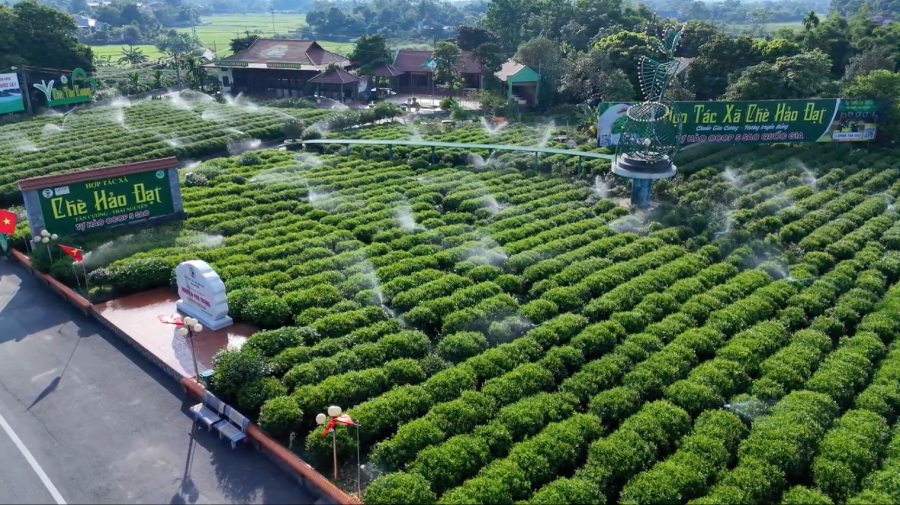
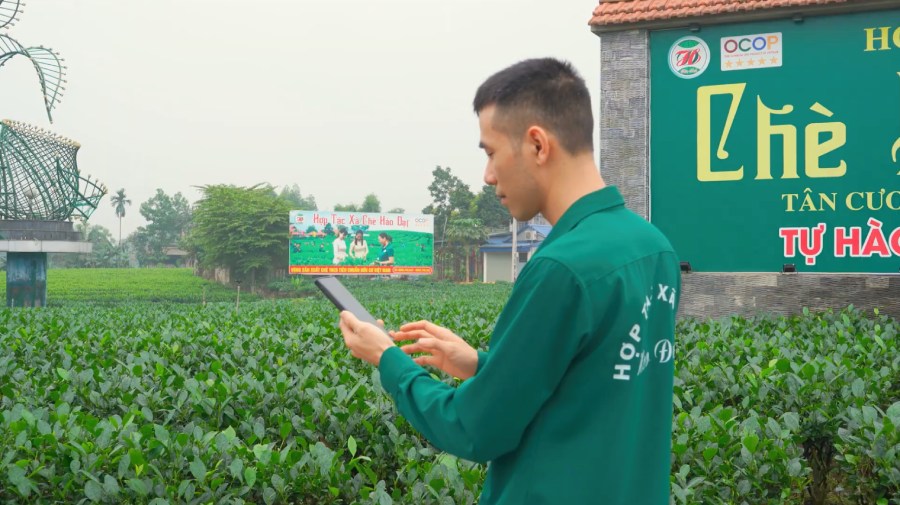
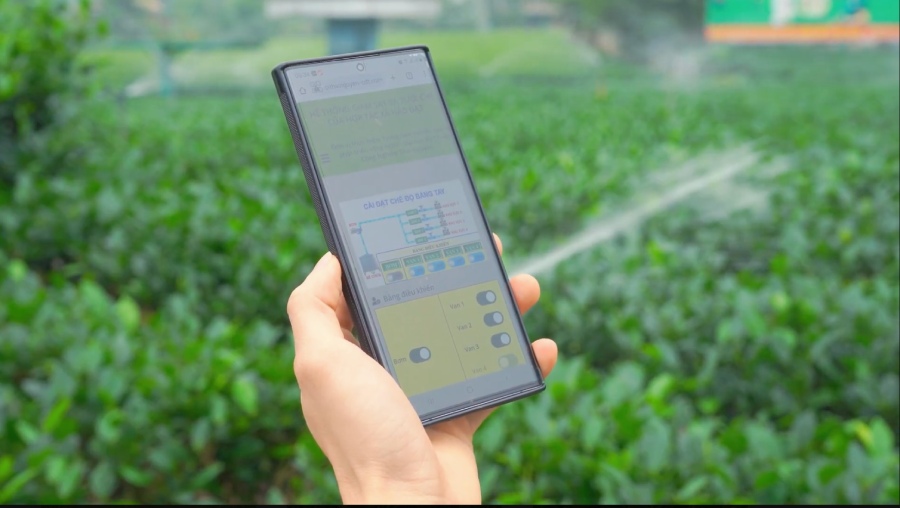
Ms. Dao Thanh Hao - Director of Hao Dat Tea Cooperative said that thanks to the support from resolutions and programs of the Central Government and the province, the Cooperative has had conditions to innovate production methods, improve product quality and value. One of the notable changes is the application of digital transformation in management, production and product information transparency.
We have changed the crop structure, changed farming processes, improved productivity, quality and product value. Especially, in the context that the agricultural sector is strongly shifting to data management, products that want to go far must have clear, transparent information and traceability," Ms. Hao shared.
According to Mr. Nguyen Nhu Cuong - Deputy Director of the Department of Science and Technology (Ministry of Agriculture and Environment), many agricultural products of Vietnam such as rice, coffee, tea... have created a certain position in the international market, capable of competing with products of the same type and segment from many countries in the region and in the world.
However, overall, the value brought is still not commensurate with the potential. Many products are still mainly exported in the form of preliminary processing, with low added value, heavily dependent on intermediaries and market fluctuations.
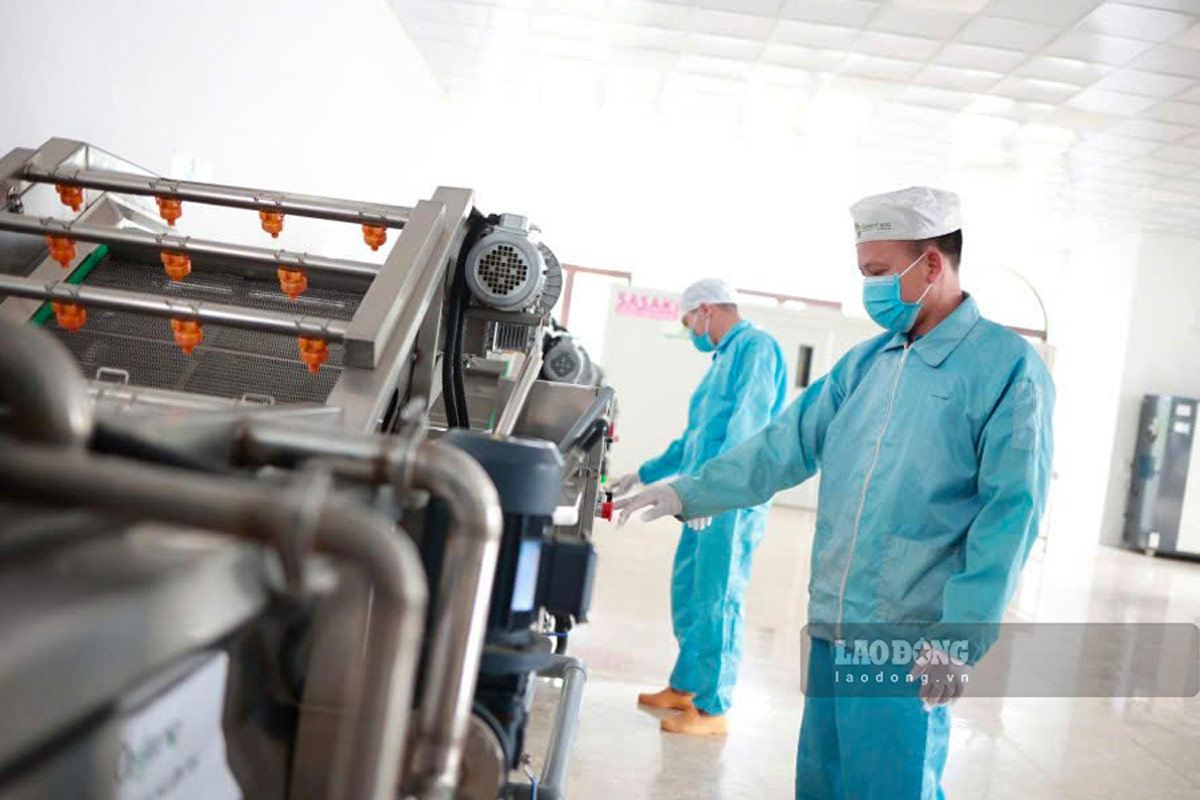
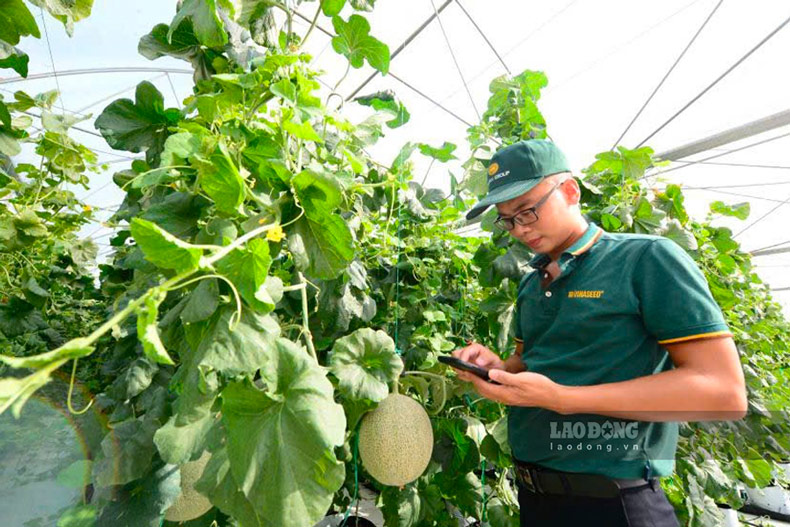
According to Mr. Nguyen Nhu Cuong, one of the important directions today is to promote digital transformation in agriculture. This is a breakthrough step, helping to optimize production processes, improve information transparency, and support inspection and quality control of export shipments. It is necessary to apply information technology and digital technology to monitor, supervise and optimize production with the goal of reducing costs, improving productivity and increasing the competitiveness of Vietnamese agricultural products.
Digital transformation is not only limited to digitizing data or applying management software, but also opens up the possibility of reorganizing production in a more accurate, synchronous and transparent direction. This is also an important condition for building a supply chain that can be clearly traceable.
Along with that, the development of the circular economy in agriculture also opens up new directions to increase production efficiency, take advantage of by-products, reduce costs and limit environmental impacts. This is an approach that is consistent with the trend of green consumption and the increasing demands of international trade.
In addition to production, deep processing and post-harvest preservation also play a very important role in increasing the value of agricultural products.
It is necessary to recognize that this is a long process. This is both an opportunity and a challenge for management thinking, scientific thinking and the approach of the scientific team. Only when we change thinking, innovate working methods and enhance the role of science and technology in production practice can we achieve the goal of increasing the value of agricultural exports sustainably," said the Deputy Director of the Department of Science and Technology.


