Bringing KPI (work efficiency) into the evaluation and classification of cadres, civil servants, and public employees is a major step forward in public governance. The KPI index is the measure of work efficiency, helping to clearly reflect the task performance capacity of each civil servant, especially at the grassroots level - where they directly contact and serve the people.
When applying the correct process, KPI will create motivation for each person to work better, avoiding the situation of doing more and doing less equally.
In Nghe An, the Standing Committee of the Provincial Party Committee has just issued Plan No. 51-KH/TU, dated May 7, 2026 on building an evaluation system (KPI) for cadres, civil servants, and public employees in the political system of Nghe An province.
Regarding the implementation roadmap, for the task group of building the KPI index set, the Standing Committee of the Provincial Party Committee requests to conduct surveys, statistics, and data standardization to be completed before May 15, 2026; build and complete the KPI index set to be completed in May 2026.
In June 2026, the common KPI software will be designed, transferred or built completely.
By July 2026, Nghe An will pilot at a number of agencies and units representing the blocs, prioritizing places with good infrastructure conditions, full data and high political determination.
Based on the pilot results, the province will summarize, draw experience, and complete the set of criteria, procedures and software before synchronously deploying it throughout the political system.
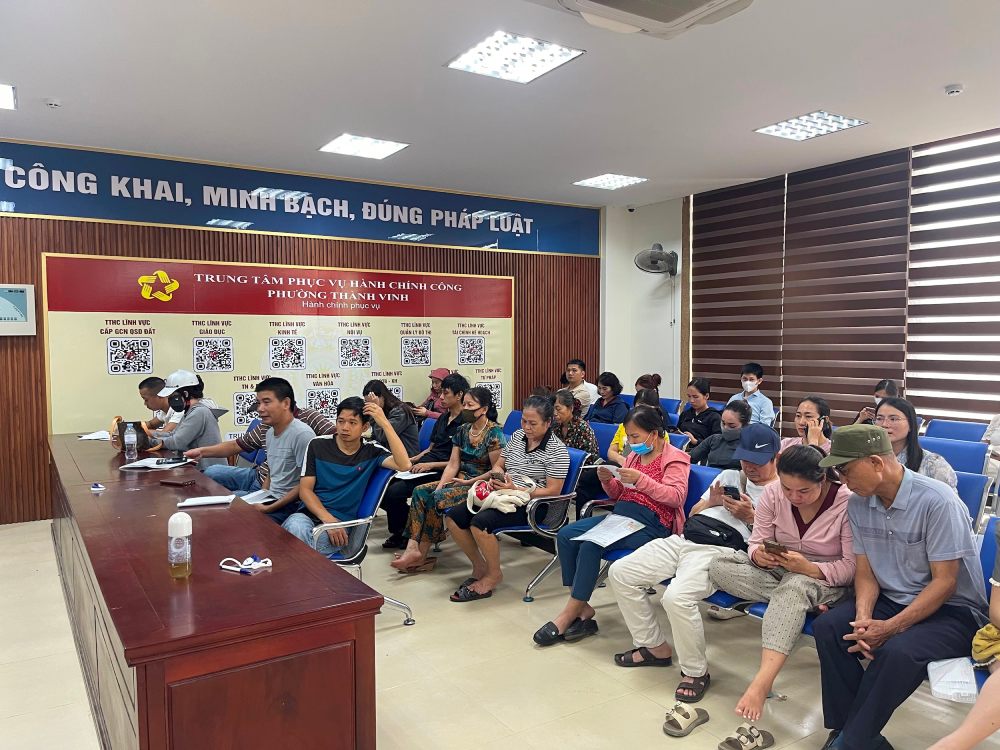
In Thai Nguyen province, this locality has assigned the Provincial Party Committee's Organization Board to complete and pilot the monthly KPI assessment for cadres and civil servants in the Provincial Party Committee's Organization Board agency to draw experience and deploy it on a large scale in the coming time to assess the actual work efficiency of cadres, civil servants, and public employees throughout the province's political system.
In Hue City, k results of task implementation are determined based on the quantity, quality and progress of work completion according to the job position.
The total score for evaluating cadres and civil servants is composed of two groups of criteria, including common criteria accounting for 30% and task performance results accounting for 70%.
Civil servants who do not hold leadership or management positions are given an average score from three factors: quantity, quality and progress of work. Civil servants holding leadership or management positions are further evaluated by criteria related to the operating results of the unit, organizational implementation capacity and internal solidarity maintenance capacity.
Another content of public concern is the regulation on the rate of ranking "excellent completion of tasks". According to the draft, this rate does not exceed 20% of the total number of subjects classified as "good completion of tasks", and in special cases, it does not exceed 25%.
In Da Nang, the evaluation of cadres, civil servants, and public employees based on work efficiency is carried out on a 100-point scale, including two main groups of criteria.
In which, the group of general criteria accounts for a maximum of 30 points, focusing on political qualities, ethics, discipline; professional capacity, sense of responsibility; attitude of serving people and businesses; coordination ability and innovation and creativity in performing official duties.
The group of criteria for task performance results accounts for a maximum of 70 points, directly evaluating work efficiency through the quantity, progress and quality of assigned tasks and products.