
Challenges related to gender equality
Digital transformation is taking place strongly globally and opening up many opportunities for innovation, economic development as well as improving the quality of public services. However, this process also increases challenges related to gender equality.
At the Online Safety Day "Not Alone" held in November 2025 in Hanoi, the Department of Cyber Security and High-Tech Crime Prevention (A05 - Ministry of Public Security) said that in just the first 10 months of 2025, functional forces received and handled more than 50 online kidnapping cases, with 100% of victims aged 18-22 and 90% being women.
The gap related to gender equality in the digital space is also a problem that many countries around the world are facing. At the Policy Dialogue Conference between the Ministry of Home Affairs and international partners, Ms. Tran Thi Thuy Anh - Program Manager, Office of the United Nations Agency for Gender Equality and Women's Empowerment in Vietnam (UN Women) - said that there are still hundreds of millions of women in the world who do not have access to the internet.
Research also shows that women have fewer opportunities to be trained in digital skills than men. Meanwhile, gender-based violence in cyberspace is increasing, becoming a major barrier to women's participation in the digital environment.
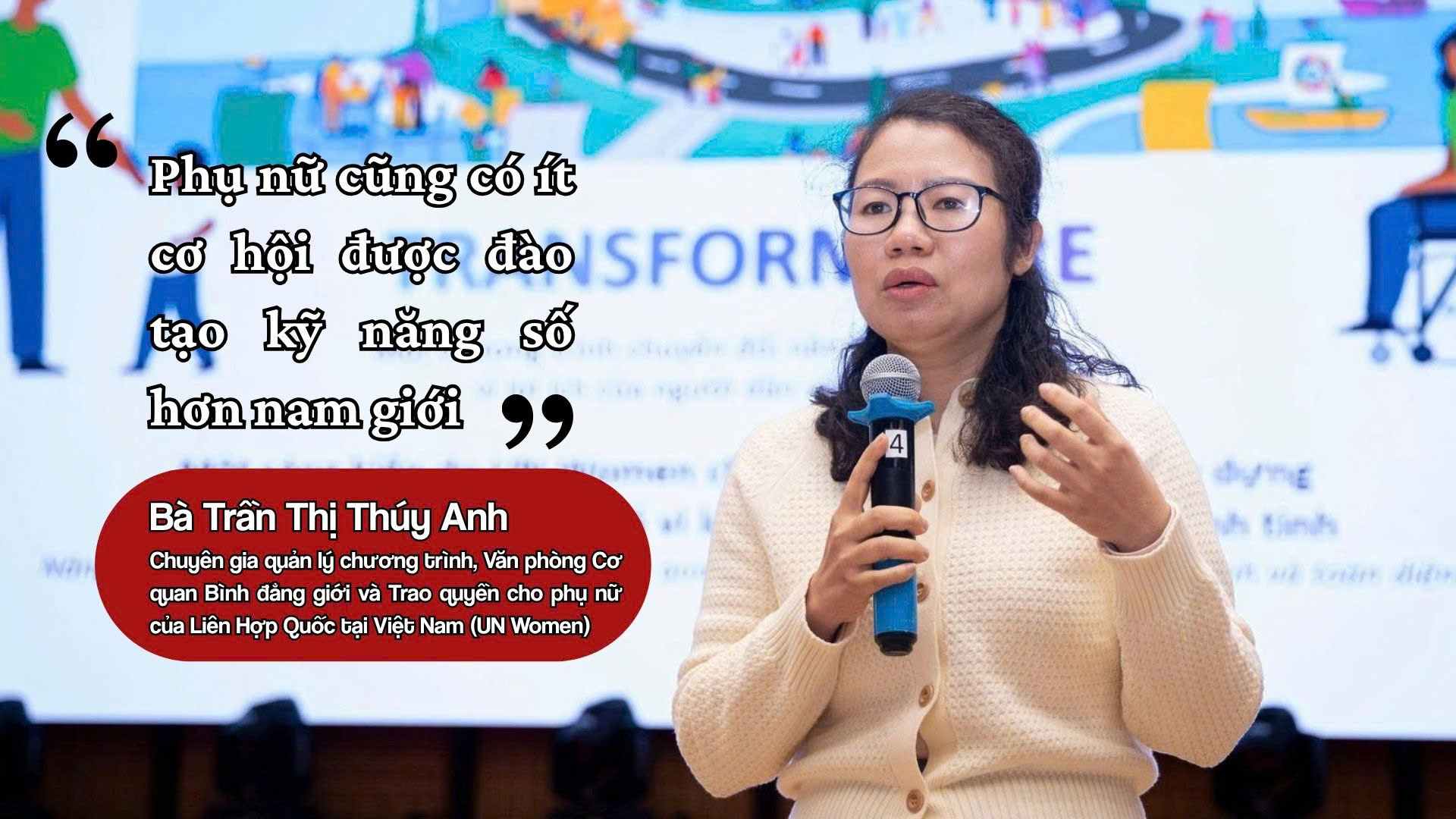
This poses a requirement for countries to build a safe digital ecosystem, while strengthening artificial intelligence (AI) governance in the direction of promoting women's greater participation in science and technology fields," Ms. Thuy Anh said.
At the Launching Ceremony of the Action Month for Gender Equality and Prevention and Response to Gender-Based Violence in 2025 held in Hanoi, United Nations Resident Coordinator in Vietnam Pauline Tamesis shared that the digital age brings many opportunities but also hides many new risks.
Violence on the internet is increasing. According to the United Nations Convention against Cybercrime (Hanoi Convention), from 16% to 58% of women and girls have been victims of online violence, including harassment, online surveillance, disclosure of personal information, unauthorized image sharing and extortion.
The above figures and information show that, besides opportunities for connection and development, cyberspace also poses many challenges for women, especially freelance workers, women in rural areas and women in difficult circumstances.
Together building a fair, equal, and inclusive world
When leading the delegation of the Ministry of Home Affairs to attend the 70th session of the United Nations Committee on the Status of Women (CSW70) in New York in March 2026, Deputy Minister of Home Affairs Nguyen Thi Ha affirmed the message that access to justice is not only a basic human right, but also an important foundation to eliminate violence and gender discrimination, thereby promoting sustainable development.
According to the Deputy Minister of Home Affairs, there are currently more than 6,000 models and facilities providing gender-based violence prevention and response services operating nationwide. Through this, women and girls, especially in remote and isolated areas, are supported to promptly access essential legal services, psychological counseling, and emergency protection.
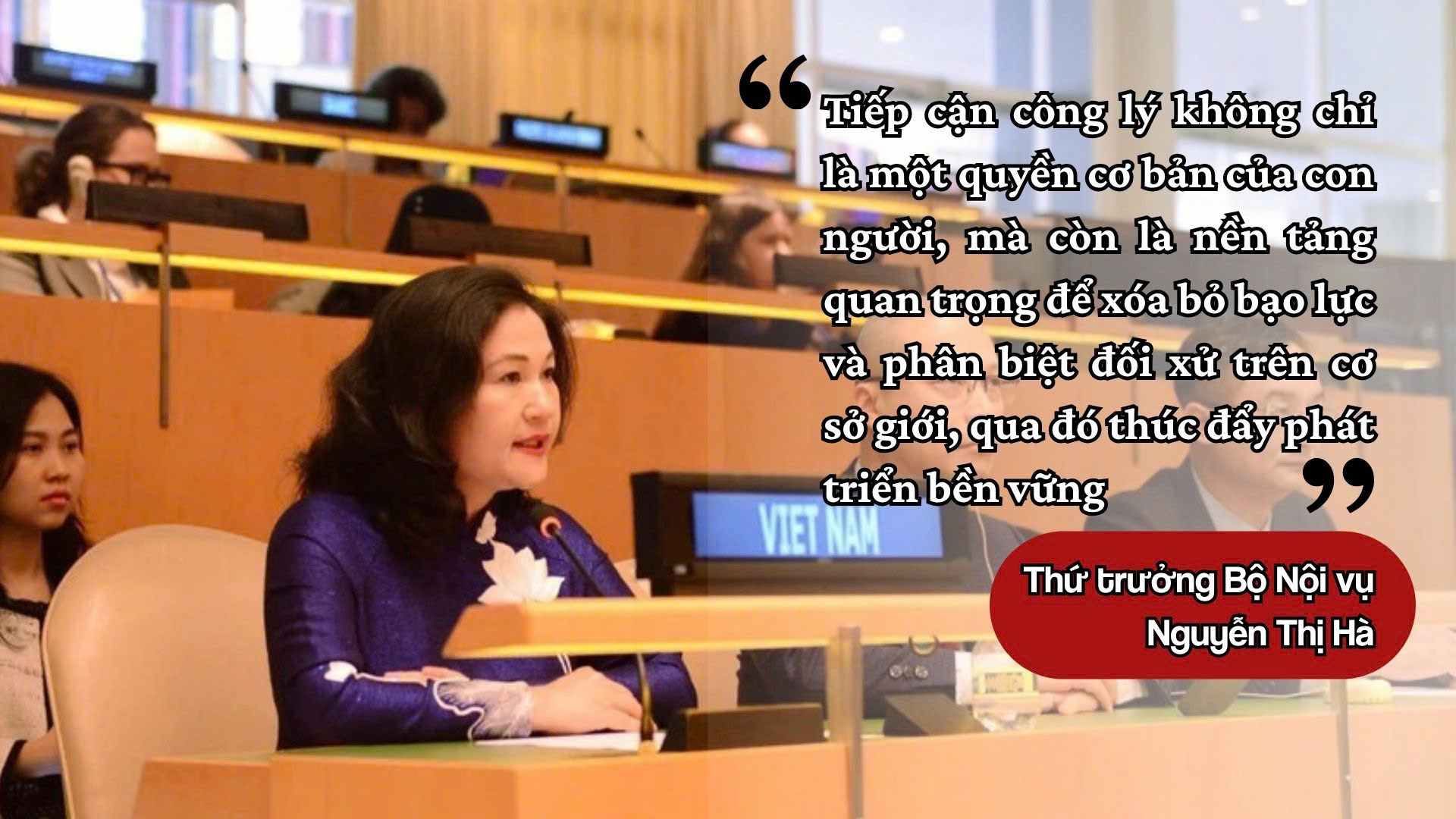
With more than 62% of legal aid providers in the provincial and city legal aid center system being female, gender sensitivity in providing services has been improved.
We are committed to continuing efforts to improve the law in a gender-sensitive direction, improve the capacity of law enforcement, promote digital transformation to expand access to justice, and at the same time ensure the substantive participation of women in governance and decision-making" - Deputy Minister Nguyen Thi Ha shared.
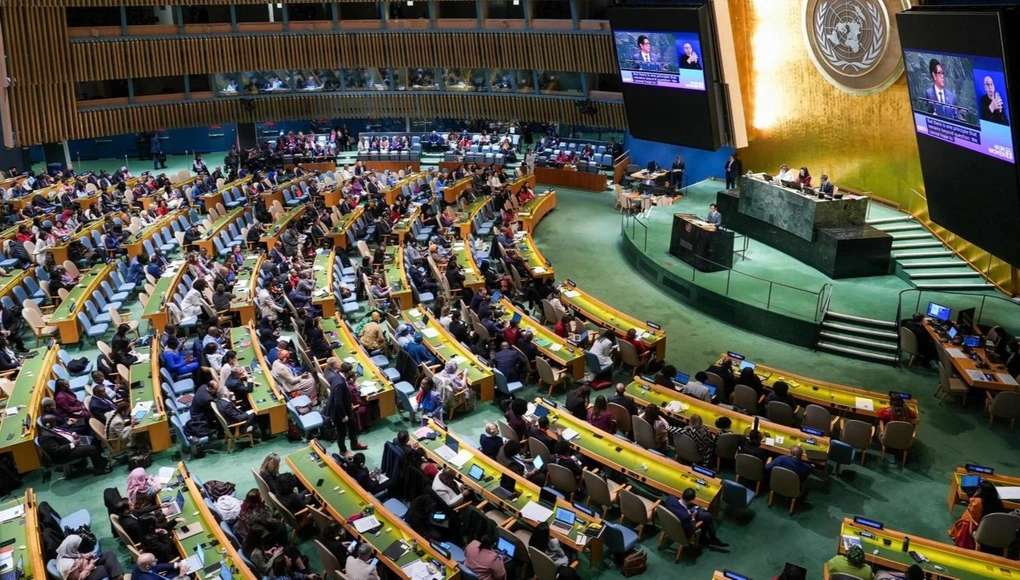
Deputy Minister Nguyen Thi Ha emphasized that Vietnam is ready to cooperate, share experiences and wishes to strengthen coordination with member states and United Nations agencies to jointly build a fair, inclusive world where no woman or girl is left behind.
Vietnam promotes the completion of gender equality policies
Vietnam's Law on Gender Equality was promulgated in 2006 and has been implemented for nearly 20 years. Faced with the strong changes in the domestic and international context, comprehensive assessment of the law implementation process, thereby proposing amendments and perfecting the legal framework is very necessary.
Mr. Doan Duc Hao - Director of the Department of Youth Affairs and Gender Equality (Ministry of Home Affairs) - said that in the coming time, the Ministry of Home Affairs will focus on a number of key tasks, including researching, reviewing and amending the Law on Gender Equality, to better suit the new development context of the country as well as international commitments that Vietnam has participated in.
In addition, the Ministry of Home Affairs will continue to assess the implementation of the National Strategy on Gender Equality for the period 2021 - 2030, and at the same time study solutions to promote gender equality in the next period.
Another important task is to strengthen activities to prevent and respond to gender-based violence, and promote communication to raise social awareness about gender equality.
The Ministry of Home Affairs will also continue to support and create conditions for social organizations and international organizations to participate in promoting gender equality, and at the same time strengthen coordination between agencies and organizations in implementing relevant programs and policies.
Faced with new world trends such as digital transformation, care economy and population aging, the Ministry of Home Affairs will study and assess the impact to develop appropriate policies, contributing to promoting gender equality in a sustainable way.


