
Floodwaters wash away assets accumulated over the years
In recent days, many provinces in the North still have the damp smell of mud. The wind blows through the roofs that have not yet been patched, carrying the cold air and the salty taste of tears.
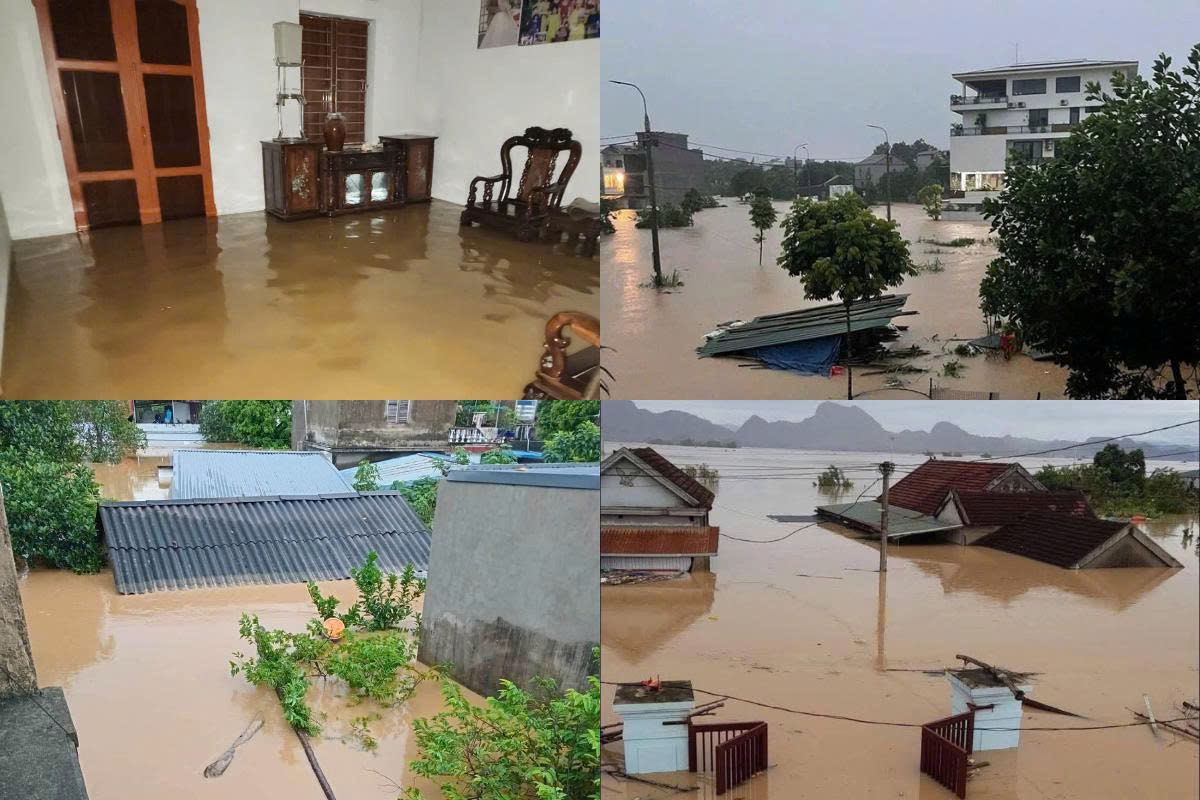
In Group 9, Quan Trieu Ward (Thai Nguyen Province), the fierce flood caused by the circulation of storms Matmo and Bualoi no longer exists, but the loss of those who stayed there has not stopped.
The townhouse of Ms. Nguyen Thi Kim Cuc (born in 1990) is located at the end of a small alley. The mud is still almost printed on the roof - the place where the water once rose and swept everything away. She looked at the empty house, complacently saying: "I have nothing left. Last year the storm came, the dilapidated house had not yet been repaired, this year it's like this again... It's over."
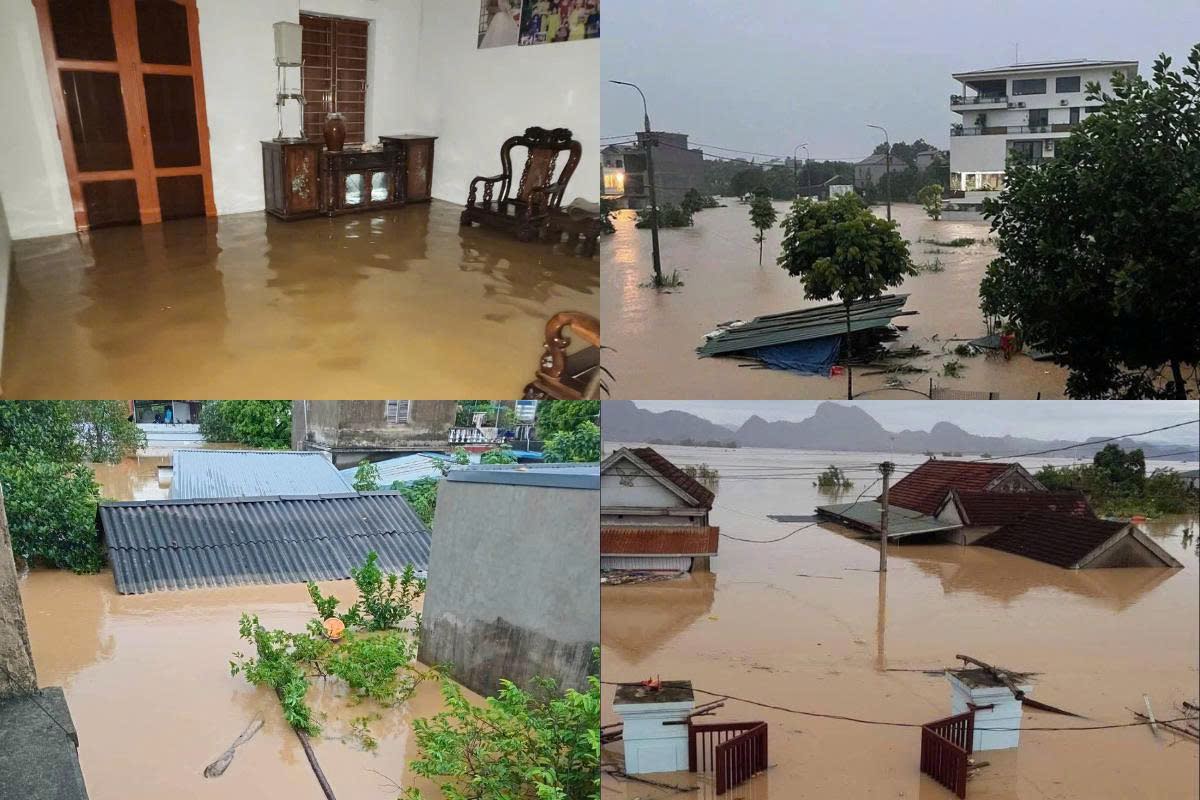
With sad eyes, looking forward, Ms. Cuc is still shocked when recalling the moments of panic in the historic flood in the early morning of October 9, 2025, which submerged many houses and bags of assets that people had accumulated and contributed to the floodwaters.
The day the water rose, the water reached the roofs of many houses, the whole neighborhood panicked, Ms. Cuc and 4 other households had to run to her mother's house - where the second floor was still dry to temporarily take shelter.
When the flood receded, people in the whole area cleaned up together. "Some have rice to share with rice, some have shirts to share with clothes. Many charity groups from all over have come to share with everyone every little thing, clean water, and clothes. Humanity after the flood is truly precious" - Ms. Cuc said. But after the relief groups left, the devastated house was left with the helpless eyes of a woman over 35 years old.
Leaving Thai Nguyen when it was evening, we continued our journey to the northernmost part of the Fatherland, following the winding road leading to Na Pang village, Can Yen commune, Cao Bang province. At the end of a small slope, in the middle of the land still smelling of mud and rotten wood, the overcast wooden house of Ms. Hua Thi Am (born in 1994) appears in a quiet and empty space.
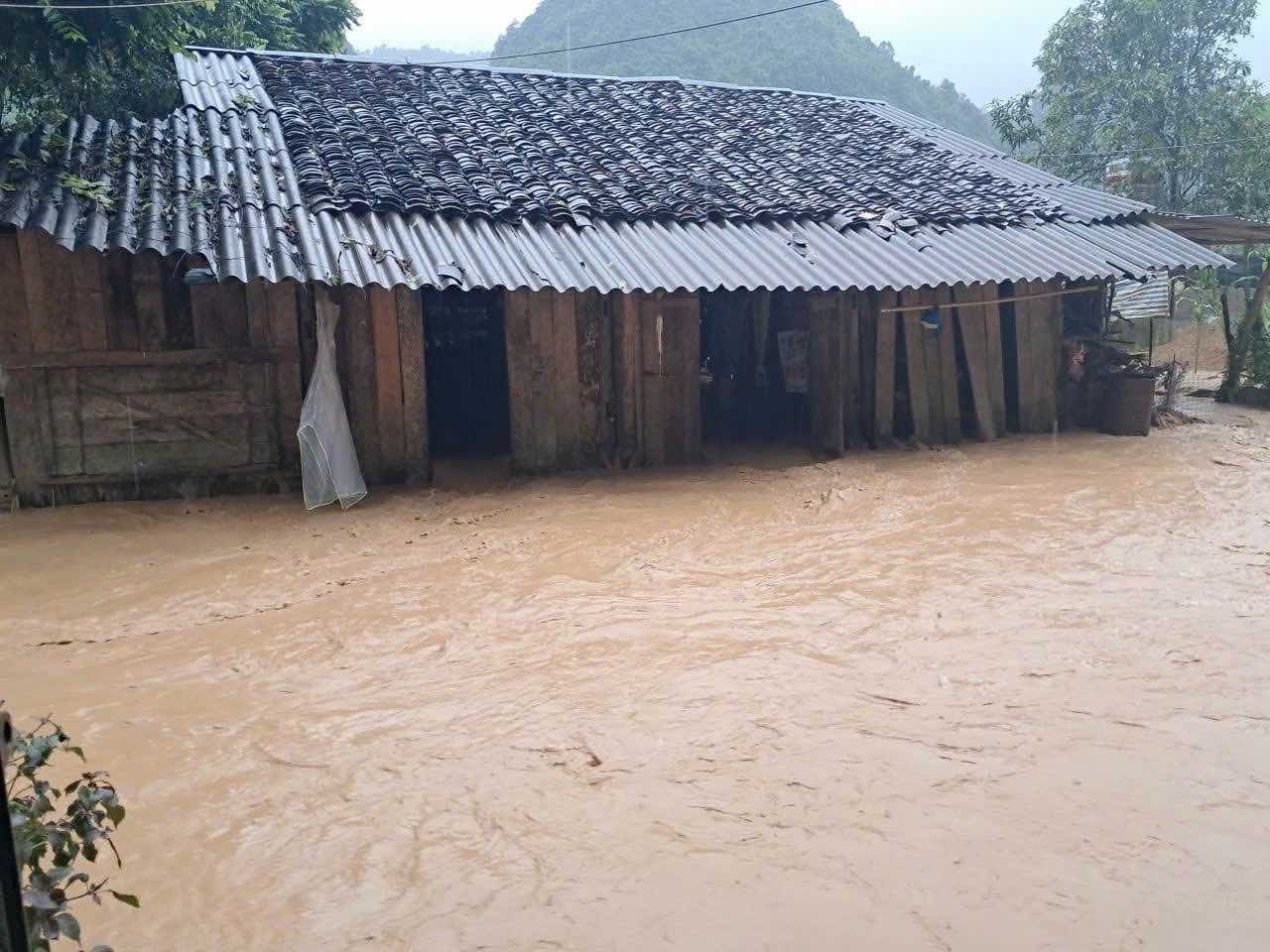
"The entire thousand square meters of crops in my house were swept away by the water, and the pigs raised for several months died of chills. The house has five columns broken, the wooden walls are rotten, only the frame is still uncast" - Ms. Am's eyes red when talking about the flood on October 13 in the locality.
Her husband works far away, and the deposit is not worth much. All the burden was on her thin shoulders. After the flood, she and her two children moved to her sister's house because the old house could collapse at any time.
However, every morning, she still wade through the mud to the old land, re-planted a few vegetable beds, and built a temporary pigsty made of bamboo. "If you don't do it, you don't know how to survive. I just hope the soil dries up soon, I can replant something, and make ends meet" - Ms. Am said.
After the flood, the commune government and some charity groups also visited and gave gifts to support her family. Speaking here, Ms. Am's voice choked up: "In Na Pang village, almost no house is intact after the flood. Some lost buffaloes and cows, some lost fields, everyone suffered a lot of losses".
Empty-handed, let's do it again
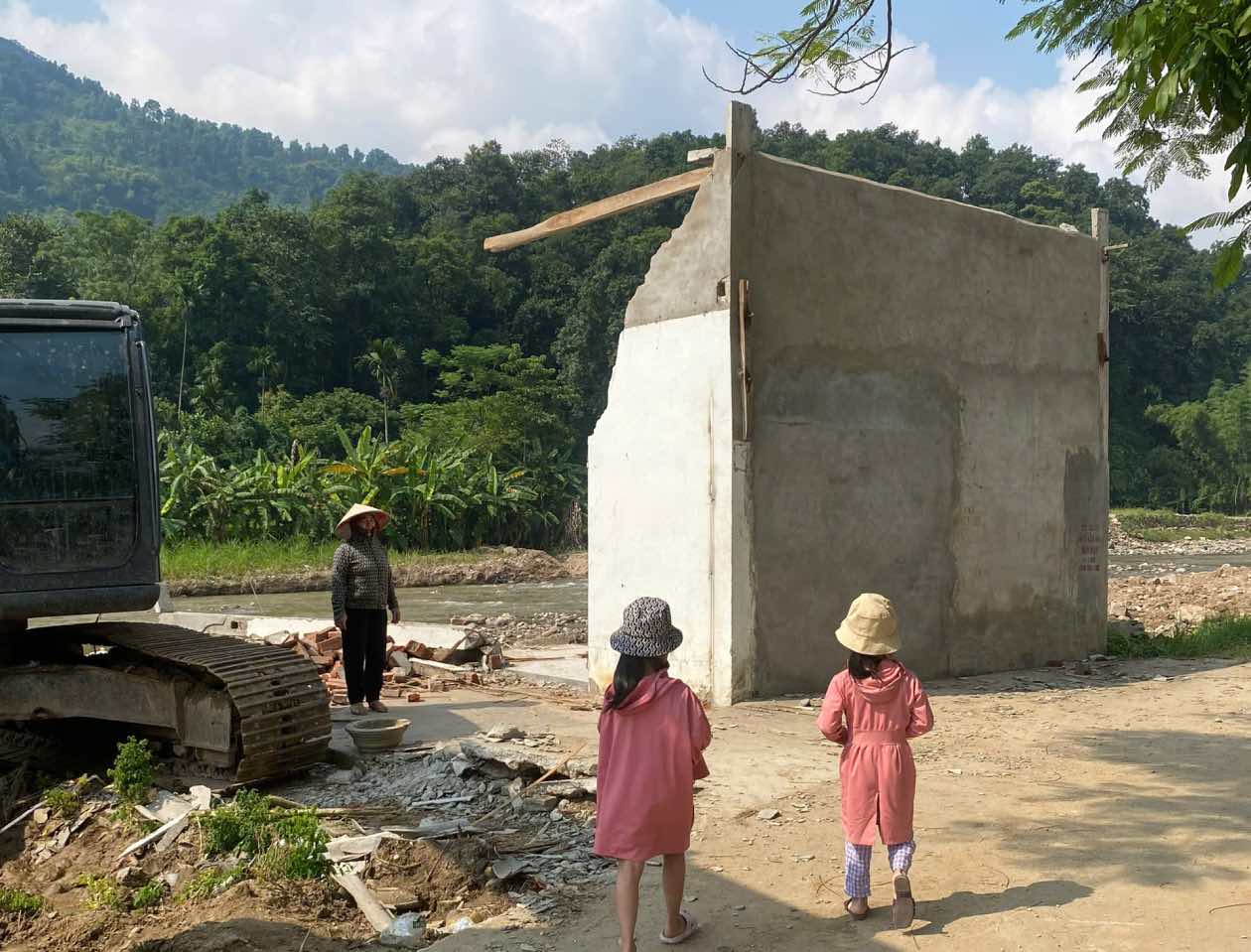
After Typhoon Yagi occurred in 2024, the house of Ms. Do Thuy (born in 1976, Gia Phu commune, Lao Cai province) now only has a piece of earth covered with gravel and rocks.
She still clearly remembers the moment the house - where she used her life-saving assets to build was swallowed by the fierce water after a day and a night of floods.
"It doesn't collapse right away, after a long rain, the water graduallyyblyyblyyblyyblyyblyyblyyblyyblyyblyyblyyblyyblyyblyyblyyblyyblyyblyyblyyblyyblyyblyyblyyblyyblyyblyyblyyblyyblyyblyyblyyblyyblyyblyyblyyblyyblyyblyyblyyblyyblyyblyyblyyblyyblyyblyyblyyblyyblyyblyyblyyblyyblyyblyybyblyyblyybybyblyybyblyybybybyblyybybybybybybybybybybybybybybybybybybybybybybybybybybybybybybybybybybybybybybybybybybybybybybybybybybybybybybybybybybybybybybybybybybybybybybybybybybybybybybybybybybybybybybybybybybybybybybybybybybybybybybybybybybybybybybybybybybybybybybybybybybybybybybybybybybybybybybybybybybybybybybybybybybybybybybybybybybybybybybybybybybybybybybybybybybybybybybybybybybybybybybybybybybybybybybybybybybybybybybybybybybybybybybybybybybybybybybybybybybybybybybybybybybybybybybybybybybybybybybybybybybybybybybybybybybybybybybybybybybybybybybybybybybybybybybybybybybybybybybybybybybybybybybybybybybybybybybybybybybybybybybybybybybybybybybybybybybybybybybybybybybybybybybybybybybybybybybybybybybybybybybybybybybybybybybybybybybybybybybybybybybybybybybybybybybybybybybybybybybybybybybybybybybybybybybybybybybybybybybybybybybybybybybybybybybybybybybybybybybybybybybybybybybybybybybybybybybybybybybybybybybybybybybybybybybybybybybybybybybybybybybybybybybybybybybybybybybybybybybybybybybybybybybybybybybybybybybybybybybybybybybybybybybybybybybybybybybybybybybybybybybybybybybybybybybybybybybybybybybybybybybybybybybybybybybybybybybybybybybybybybybybybybybybybybybybybybybybybybybybybybybybybybybybybybybybybybybybybybybybybybybybybybybybybybybybybybybybybybybybybybybybybybybybybybybybybybybybybybybybybybybybybybybybybybybybybybybybybybybybybybybybybybybybybybybybybybybybybybybybybybybybybybybybybybybybybybybybybybybybybybybybybybybybybybybybybybybybybybybybybybybybybybybybybybybybybybybybybybybybybybybybybybybybybybybybybybybybybybybybybybybybybybybybybybybybybybybybybybybybybybybybybybybybybybybybybybybybybybybybybybybybybybybybybybybybybybybybybybybybybybybybybybybybybybybybybybybybybybybybybybybybybybybybybybybybybybybybybybybybybybybybybybybybybybybybybybybybybybybybybybybybybybybybybybybybybybybybybybybybybybybybybybybybybybybybybybybybybybybybybybybybybybybybybybybybybybybybybybybybybybybybybybybybybybybybybybybybybybybybybybybybybybybybybybybybybybybybybybybybybybybybybybybybybybybybybybybybybybybybybybybybybybybybybybybybybybybybybybybybybybybybybybybybybybybybybybybybybybybybybybybybybybybybybybybybybybybybybybybybybybybybybybybybybybybybybybybybybybybybybybybybybybybybybybybybybybybybybybybybybybybybybybybybybybybybybybybybybybybybybybybybybybybybybybybybybybybybybybybybybybybybybybybybybybybybybybybybybybybybybybybybybybybybybybybybybybybybybybybybybybybybybybybybybybybybybybybybybybybybybybybybybybybybybybybybybybybybybybybybybybybybybybybybybybybybybybybybybybybybybybybybybybybybybybybybybybybybybybybybybybybybybybybybybybybybybybybybybybybybybybybybybybybybybybybybybybybybybybybybybybybybybybybybybybybybybybybybybybybybybybybybybybybybybybybybybybybybybybybybybybybybybybybybybybybybybybybybybybybybybybybybybybybybybybybybybybybybybybybybybybybybybybybybybybybybybybybybybybybybybybybybybybybybybybybybybybybybybybybybybybybybybybybybybybybybybybybybybybybybybybybybybybybybybybybybybybybybybybybybybybybybybybybybybybybybybybybybybybybybybybybybybybybybybybybybybybybybybybybybybybybybybybybybybybybybybybybybybybybybybybybybybybybybybybybybybybybybybybybybybybybybybybybybybybybybybybybybybybybybybybybybybybybybybybybybybybybybybybybybybybybybybybybybybybybybybybybybybybybybybybybybybybybybybybybybybybybybybybybybybybybybybybybybybybybybybybybybybybybybybybybybybybybybybybybybybybybybybybybybybybybybybybybybybybybybybybybybybybybybybybybybybybybybybybybybybybybybybybybybybybybybybybybybybybybybybybybybybybybybybybybybybybybybybybybybybybybybybybybybybybybybybybybybybybybybybybybybybybybybybybybybybybybybybybybybybybybybybybybybybybybybybybybybybybybybybybybybybybybybybybybybybybybybybybybybybybybybybybybybybybybybybybybybybybybybybybybybybybybybybybybybybybybybybybybybybybybybybybybybybybybybybybybybybybybybybybybybybybybybybybybybybybybybybybybybybybybybybybybybybybybyb The night before, I had time to run around, but the next morning when I returned, it hit the floor" - Ms. Thuy said.
Mrs. Thuy's house was originally less than 20m from the stream bank, behind which was a rice field. Who would have thought that after just one night of white rain, the soil would be dug every meter. By the afternoon, the kitchen collapsed, and then the large roof collapsed.
Fortunately, there was no one in the house at the time. Her younger brother could only carry each bowl of incense out. All assets, along with the amount of more than 20 million VND in savings hidden on the altar, are "reserves" for many years of going to the market to sell vegetables, all of which are washed away by the melting floodwaters.
After suffering damage of more than 200 million VND, her house collapsed, Ms. Thuy had to ask her mother for a piece of land to rebuild a new, smaller house, using donations from friends, donors and a bank loan.
Not stopping there, this year's storm continues to sweep away nearly 2 sets of vegetable land - the only thing for Mrs. Thuy to keep the bighead as a livelihood. With no more land, she returned to her business trip.
Early in the morning, she went to the wholesale market to buy vegetables, and in the afternoon, she took them to the market to sell. Every month, she has to pay the bank more than 1 million VND in loans to rebuild the house.
"Now I just hope to have more capital to do business, have insurance or any support to help me feel less worried when I get old. Just work freely like me, do it again with no help" - she said.
The extended losses from Thai Nguyen to Cao Bang and Lao Cai do not come from simple natural disasters. Experts say that behind the floodwaters, there are many factors affecting the natural environment created by humans.
Flooding is not only due to heavy rain
Dr. To Van Truong - an independent research expert on water resources, former Director of the Southern Institute of Water Resources Planning - said that many studies show that widespread severe flooding often comes from a combination of natural disaster factors and disaster factors.
According to Dr. To Van Truong, although it is difficult to have a convincing absolute figure on the ratio between natural disasters and human resources, a qualitative assessment is extremely necessary. Because according to experts, this is the basis, the foundation for scientists to build scientific and practical solutions, gradually limit and proactively adapt.
To prove that the human factor is increasing sharply, Dr. To Van Truong gave evidence: The narrowing of natural forests makes the basin unable to retain water, and floods come quickly and strongly.
In addition, the urbanization and concreting speed has been happening quite quickly, causing the land to not absorb water, causing water to accumulate quickly and large, causing many sewer systems to overload. The encroachment of river corridors and canals reduces flood drainage, forcing water to rise.
The expert also said that most of the drainage system is currently outdated: designed according to old standards, not capable of enduring current extreme rainfall; then the subsidence caused by underground water exploitation has caused coastal plains to be lowered, so high tides and rain can quickly be flooded.
In particular, the operation of reservoirs is not flexible, often applying hard processes, which is the main cause of emergency flood discharge, causing flooding downstream.
Therefore, according to Dr. To Van Truong, in the context of extreme weather and climate, in addition to promoting hard and soft solutions to respond to natural disaster factors, it is necessary to have strong solutions to respond to human resources. However, natural disasters are natural phenomena, not easy to do in one day or two.
Meanwhile, the human ear factor is made by humans, so it can be completely improved, overcome, and adjusted to bring immediate results. This analysis shows that reducing human ear is the most feasible and effective way to live safer in the context of increasingly complex climate change.
Therefore, people are relying heavily on the flexibility of scientific agencies in developing scientific solutions to advise the Party and State to issue mechanisms to help people live in harmony and safety with the natural environment in the context of many unusual weather developments.


