
The sell-off of precious metals in general and silver prices in particular that took place last weekend is considered the largest liquidity event in market history. This once again exposes the inherent risks of silver – a metal that regularly attracts speculative cash flow but is also the most vulnerable place for investors when the trend reverses.
According to Ms. Rhona O'Connell - Head of Market Analysis for EMEA & Asia at StoneX, the sharp drop did not stem from any individual being nominated as Chairman of the US Federal Reserve, but from the fact that an important uncertainty factor of the global financial market was unexpectedly removed.
When the level of uncertainty about the Fed's future falls, the market immediately has to readjust the "risk fees" that have been accumulated before.
However, in the overall picture of the precious metal, silver is the name that makes O'Connell most pessimistic. She frankly stated that silver "is always a deadly trap", especially for investors who rush into the market during a period of hot prices but do not really understand the structure and behavior of this metal.
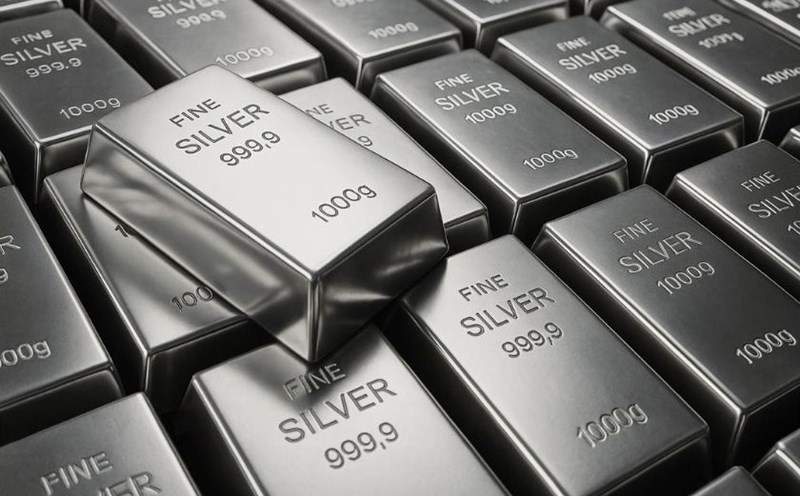
According to O'Connell's analysis, silver has characteristics of large volatility, limited market depth and high dependence on speculative cash flow. In uptrend cycles, silver usually rises faster and stronger than gold, creating a sense of attractiveness and accessibility. But that volatility causes silver to collapse faster when important technical thresholds are broken, especially in the context of the market using high leverage.
The recent price drop, according to her, was clearly amplified by technical trading. When support levels were successively breached, automatic sell orders and simultaneous loss-cutting triggered, pushing silver prices down in a very short time. O'Connell believes that in such periods, technical analysis plays a much more important role than basic arguments about long-term supply and demand.
Based on the updated Fibonacci levels, she said that the next price range that the silver market may aim for is around the 66 USD mark, showing that the risk of correction is not completely over if market sentiment does not soon stabilize again.
Compared to gold – a metal backed by the role of safe-haven and reserve assets – silver lacks that solid psychological foundation. Market history shows that silver has repeatedly created strong price increases, but also caused investors to be "stuck" at the peak for long periods, even years.
The message O'Connell put forward is therefore a clear warning: Silver is not a large-scale investment channel, especially in periods when the market is dominated by speculation and technical trading. Risk signs, according to her, have appeared before – the only question is how many people are willing to recognize them before the market turns around too quickly.


