
7 contractors are behind schedule, some construction units are under 10%
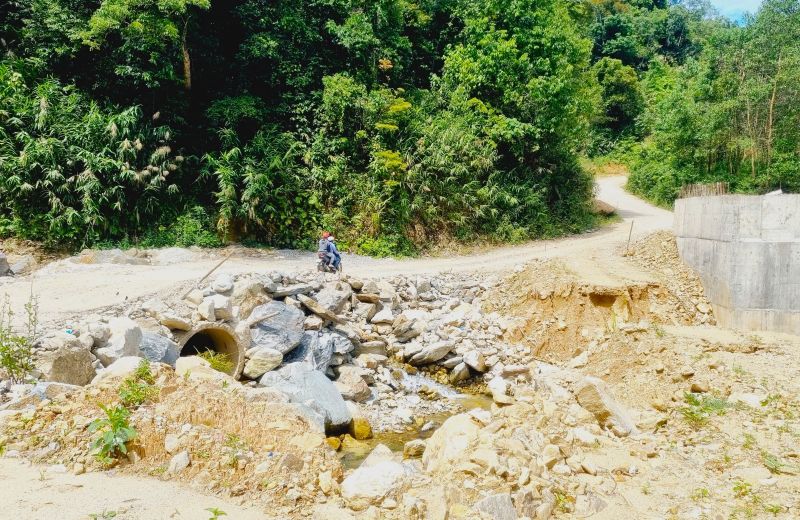
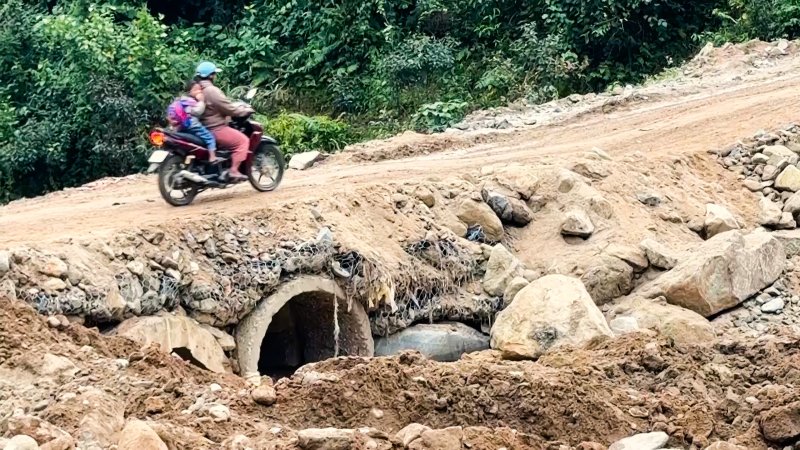
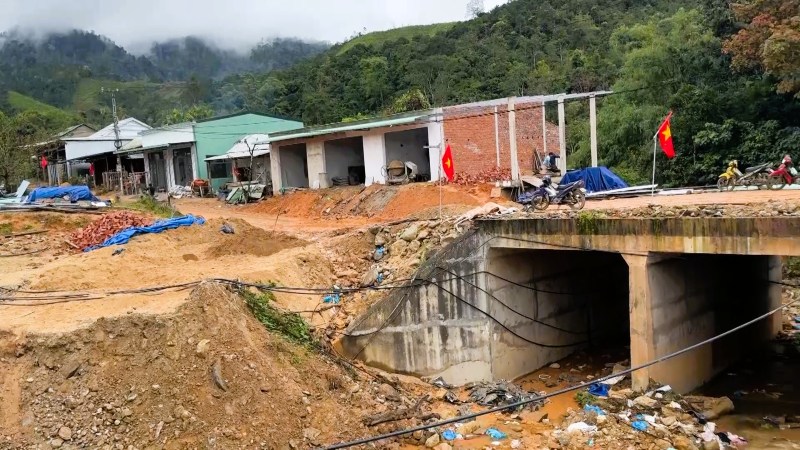
Real-world records at the project site in Phuoc Thanh commune, Da Nang city at the beginning of 2026, in a sunny and dry time - favorable for construction in mountainous areas, but along the nearly 30km length of the Da Nang mountainous disaster emergency reconstruction project, there are only a few motorized vehicles.
The construction atmosphere is quiet, many locations have almost no significant movement, contrary to the "urgentness" of the project. For some bidding packages, after more than 4 years, the implemented volume is still less than 10% of the contract.
According to information from functional agencies, all 7 contractors participating in the project are behind schedule. Many construction units are holding back, lacking machinery, manpower, and materials. In particular, some contractors have withdrawn from the construction site when the actual volume is still very low.
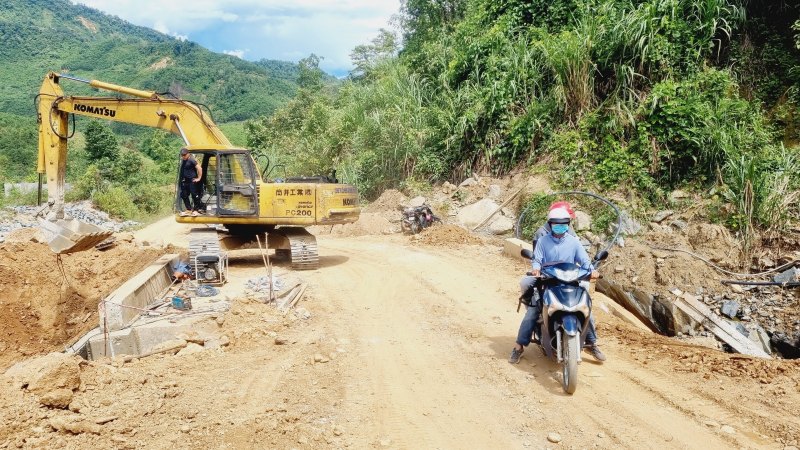
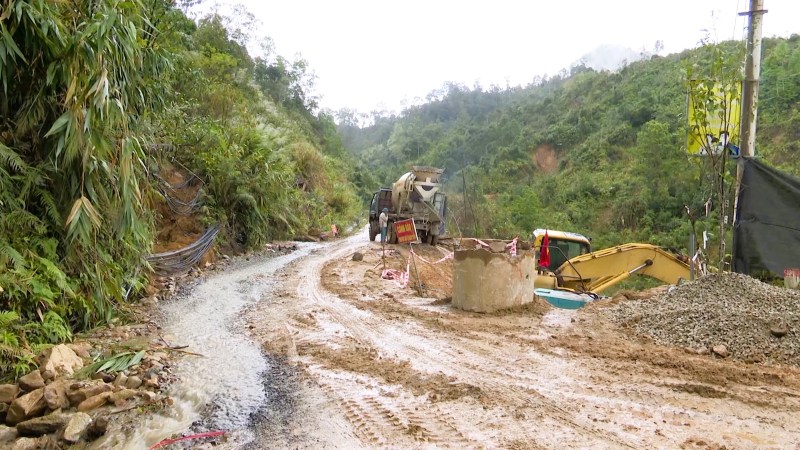
When asked about the reasons for the slow progress, Mr. Tran Van Duong, managing the construction of the DH1 project of Thai Duong Construction Co., Ltd., admitted that the slow progress was due to prolonged rain and high material prices. But for an urgent project in mountainous areas, with a total value of nearly 400 billion VND, the factors of rain, floods, and complex geology should have been calculated right from the project preparation stage, technical solutions selection and construction organization because mountainous areas are not new to rain. Fluctuations in material prices are not entirely unexpected in the context of prolonged construction.
It is even more noteworthy that according to assessments from functional agencies, construction units do not have clear plans to deploy the remaining items; the gathering of materials, equipment, machinery, and manpower does not meet requirements. In other words, many contractors reveal signs of weakness in construction organization capacity, not simply encountering objective obstacles.
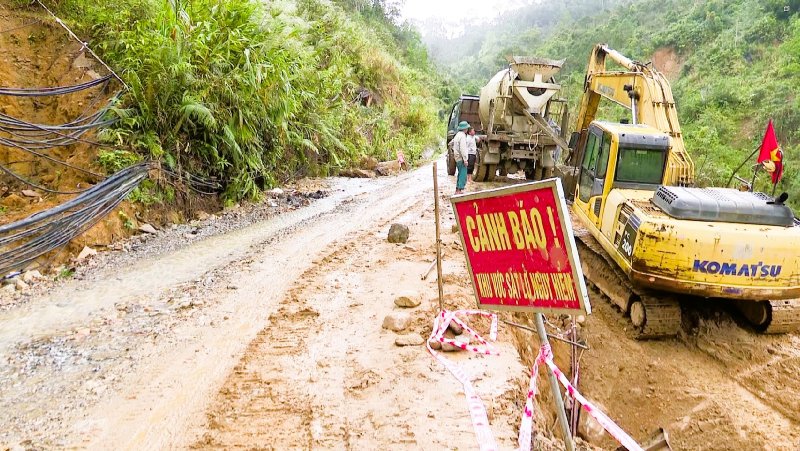
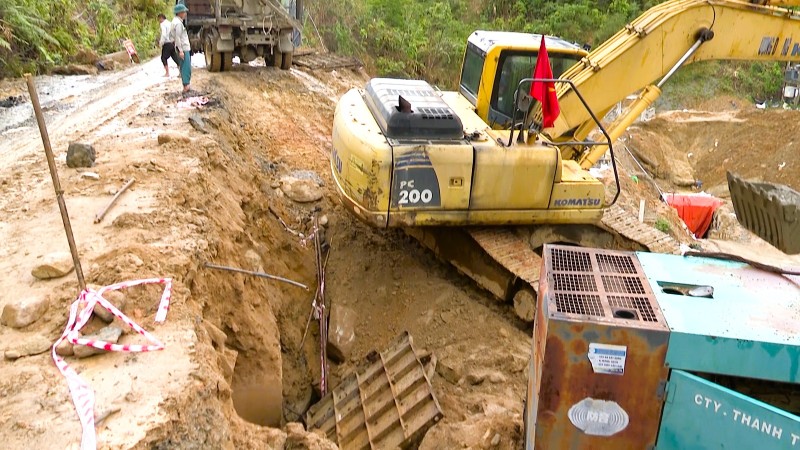
The names of some units specifically mentioned include: Thai Duong Construction Co., Ltd. on DH1 route; 168 Da Nang Infrastructure Construction Investment Joint Stock Company on DH2 and DH5 routes; Thanh Son Construction and Development Joint Stock Company on DH5 route.
However, weak contractors are only part of the problem. The rest lies in the selection, supervision and handling of weak contractors.
Mr. Do Hoai Xoan, Chairman of Phuoc Thanh Commune People's Committee, said frankly: "This responsibility belongs to the Project Management Board of the old Phuoc Son area".
Transfer like "empty paper
More complicatedly, this project takes place in the context of a constantly fluctuating management apparatus. After being assigned by the old Phuoc Son District People's Committee as the investor from 2021, traffic reconstruction projects then underwent many changes of focal points. The Phuoc Son Area Project Management Board disbanded. The director of the board received a new assignment in another locality. The project was received by the Quang Nam Provincial Construction Investment Project Management Board. Then this unit continued to merge into the Da Nang Civil, Industrial and Technical Infrastructure Construction Investment Project Management Board at the beginning of this year.
A project that is unfinished, and has gone through many transfers like that, is very likely to fall into a state of lack of continuity in monitoring and operation. And in fact, it has happened exactly like that.
Mr. Do Thanh Lam, Deputy Director of the Da Nang Civil, Industrial and Technical Infrastructure Construction Investment Project Management Board, admitted that the responsibility belongs to the managing management board of the project in the past. He said that the process of receiving the project faced many difficulties because it was almost "just a blank sheet of paper", without sufficient information to continue implementation; while some contractors have applied for withdrawal due to poor capacity.
It can be seen that the problem of the project is not only in the road surface outside the field, but also in the dossier system and management apparatus itself. A project worth nearly 400 billion VND cannot be allowed to be handed over in a state of broken information, incomplete data, and unclear personnel. If that actually happened, this is a serious sign of lax management in public investment projects.
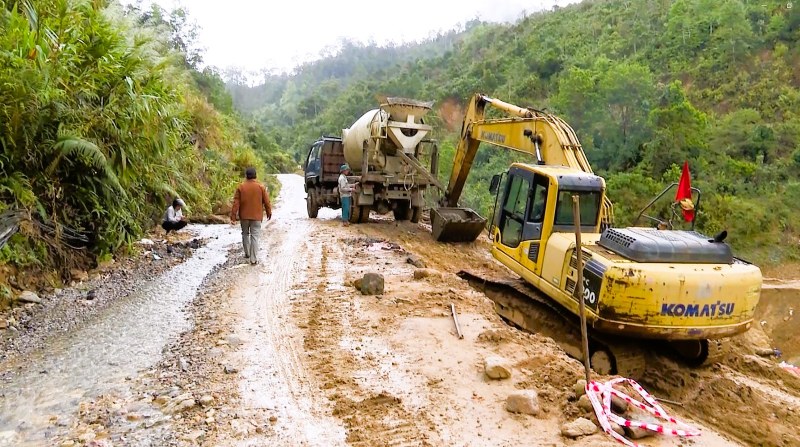
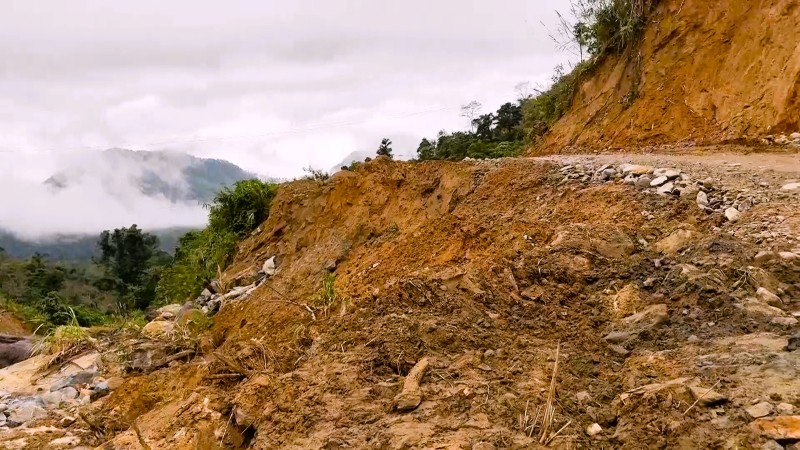
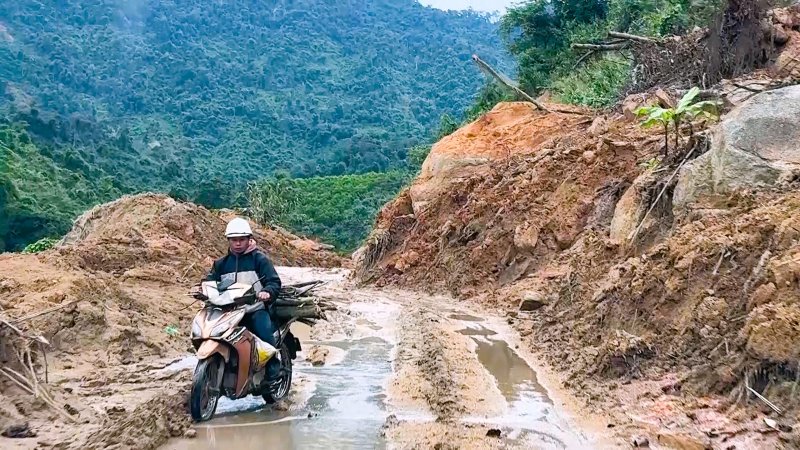
An emergency traffic project invested nearly 400 billion VND for less than 30km – an average of more than 13 billion VND/km – but the effectiveness brought about to date is not commensurate.
The longer it is delayed, the greater the social cost. The slower it is, the more people's trust decreases. And it is even more dangerous if that delay is not pursued to the end of responsibility, not only to push the project to the finish line, but also to prevent the risk of wasting hundreds of billions of dong of the budget.


