
According to the Ha Long Bay - Yen Tu World Heritage Management Board (BQL), these rafts and aquaculture areas were knocked out of their anchorage positions by thunderstorms on the night of June 4, and then drifted into the heritage area.
The affected points are mainly concentrated around the Thien Cung cave area, Hon Cho Da and Hon Trong Mai.
Immediately after discovering the incident, the Management Board urgently directed the implementation of handling measures to ensure waterway traffic safety, maintain the environmental landscape and beauty of the heritage area.
The drifting rafts and plates have been pulled, collected and temporarily anchored by the Ha Long Bay - Yen Tu World Heritage Management Board in coordination with people in suitable locations to avoid affecting tourism activities as well as heritage management and protection.
At the same time, the Management Board has coordinated with local authorities and relevant agencies to notify people who are owners of rafts and rows to request them to urgently bring assets to the anchorage according to regulations.
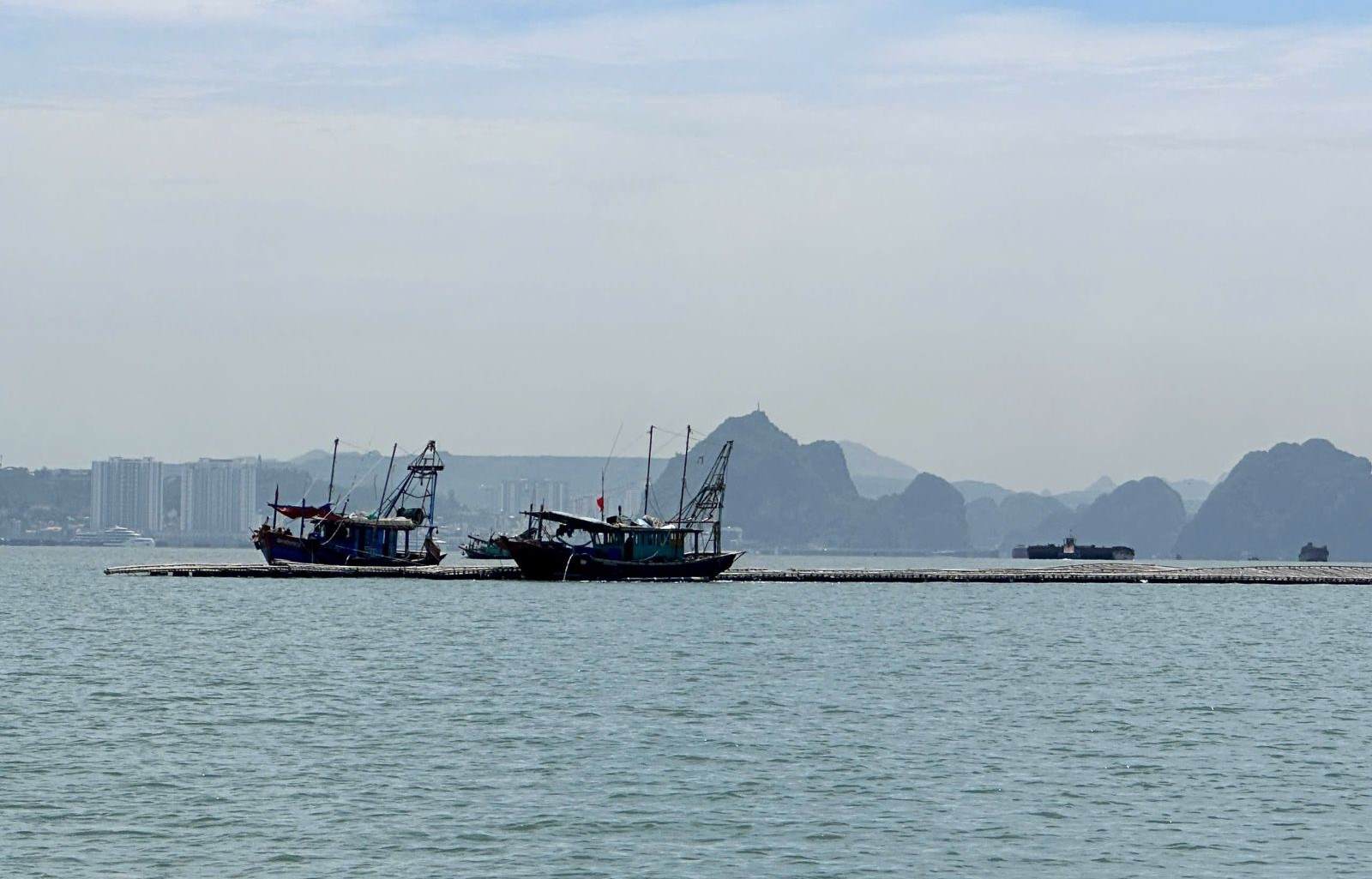
Initial determination shows that most of the above rafts and rafts belong to people in Ha An ward area, adjacent to the Southwest area of Tuan Chau island. Due to the impact of extreme weather, many aquaculture rafts have broken their anchors and drifted into the core heritage area.
The Management Board is coordinating with localities and relevant units to monitor the situation, review affected areas and implement handling measures to ensure safety for tourism and waterway traffic activities, while preserving the landscape and outstanding global value of Ha Long Bay, a world natural heritage site.
Previously, in 2024, Typhoon Yagi caused serious damage to aquaculture cages on and around Ha Long Bay, causing a large amount of bamboo, rattan and materials from cages to drift and cover many areas on the World Natural Heritage Site Ha Long Bay.
After Typhoon Yagi, many opinions suggested researching the use of more durable and environmentally friendly materials in aquaculture, in order to avoid the risk of Ha Long Bay being contaminated once again by waste from bamboo and rattan... However, bamboo and rattan are still low-cost materials, suitable for the production conditions of many aquaculture households.


