
In mid-April, when the heat has not yet cooled down, on many roads in the highlands of Lao Cai, soil and rocks are still silently sliding down from the positive slope, covering the road surface.
Long cracks, road subsidence... are clear signs that the transportation system here is struggling under the pressure of natural disasters, while the 2026 rainy and flood season is approaching.
In Lao Cai province, most national highways and provincial roads pass through hilly terrain, weak soil. After two consecutive rainy and flood seasons 2024-2025, this system has recorded thousands of large and small landslides.
In 2025 alone, there are more than 5,000 positive taluy landslide points and hundreds of negative taluy landslide locations, with volumes of soil and rock up to hundreds of thousands of cubic meters.
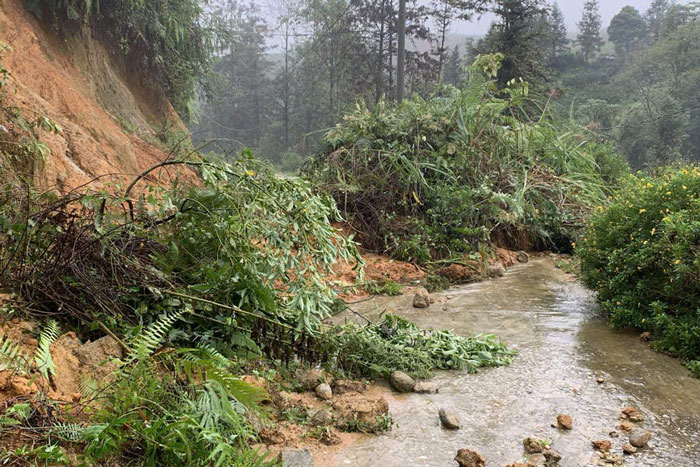
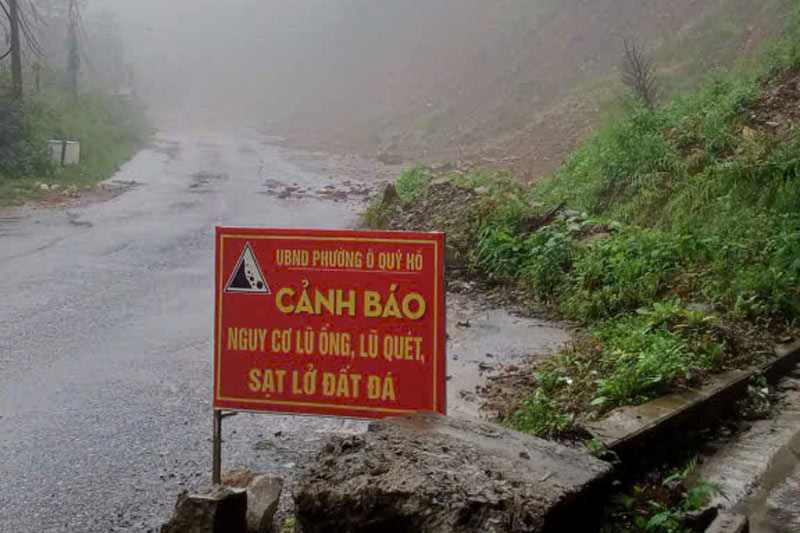
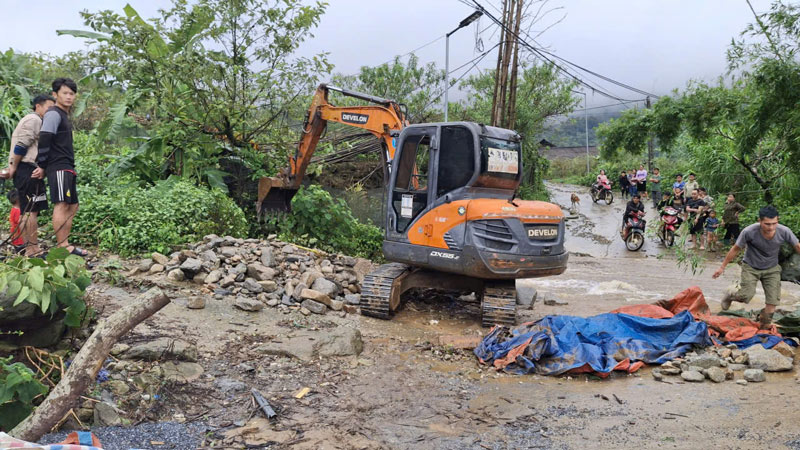
On many key roads, traces of floods are still present. On provincial road 156 (Bat Xat - Ban Xeo section), soil and rocks regularly spill onto the road surface, the roadbed is partially damaged, causing danger to people and vehicles.
Mr. Nguyen Van Thanh - Vice Chairman of Ban Xeo Commune People's Committee - shared: "After the storms and floods in 2025, along with the positive taluy landslide points, there are some negative taluy landslide locations in the form of "frog's mouth" that have not been thoroughly handled. If heavy rain lasts, the risk of road foundation collapse is very high.
Not only route 156, a series of other roads such as 151C, 154, 163 or National Highways 4, 4D, 32, 70 are also in a similar situation. There are landslide locations that have lost more than half of the roadbed but have not been repaired in time, posing a risk of traffic unsafety at any time.
Worryingly, on National Highway 32 section passing through Phong Du Thuong to Pung Luong, Mu Cang Chai, there are still many large landslide points, posing a risk of re-earthquakes when it rains heavily.
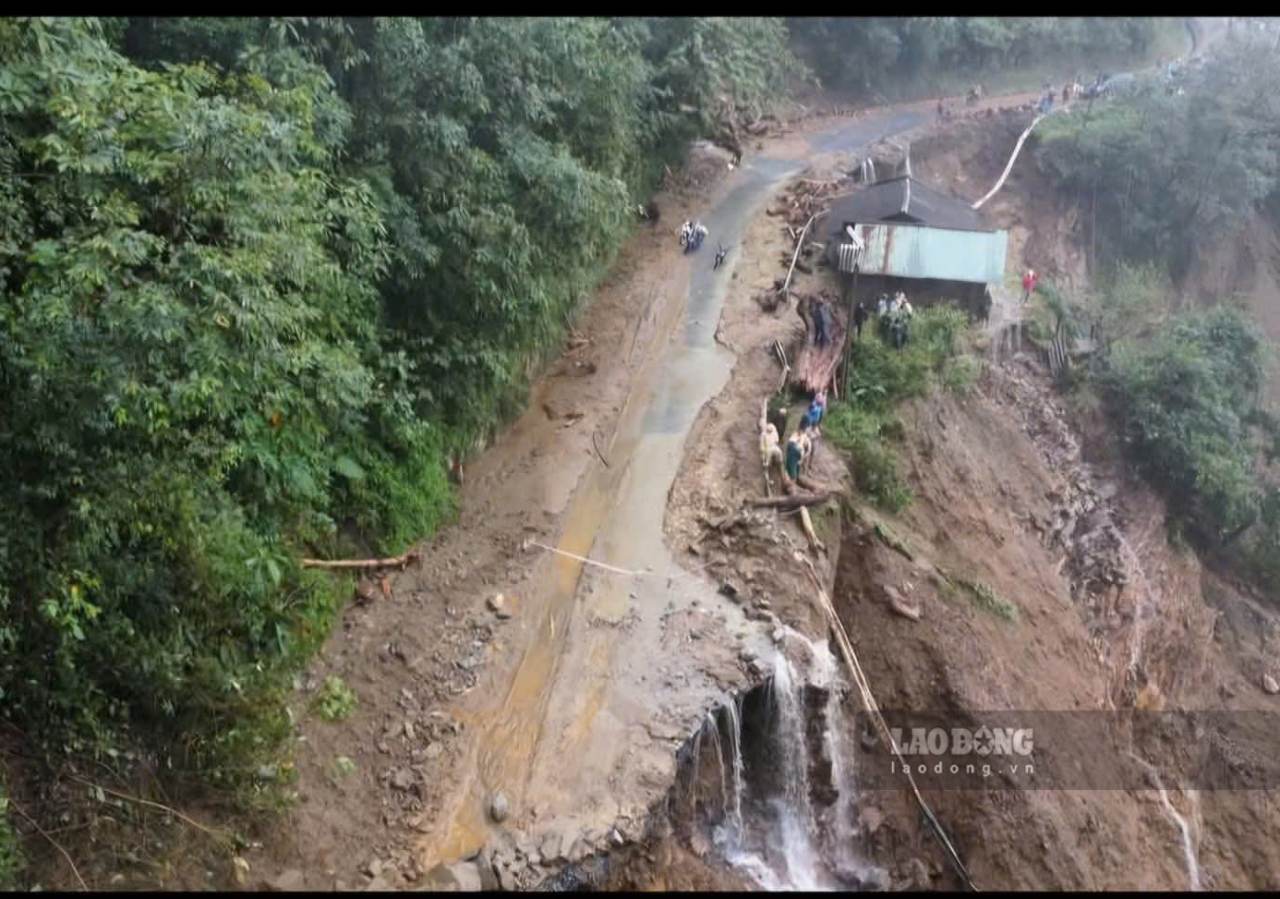
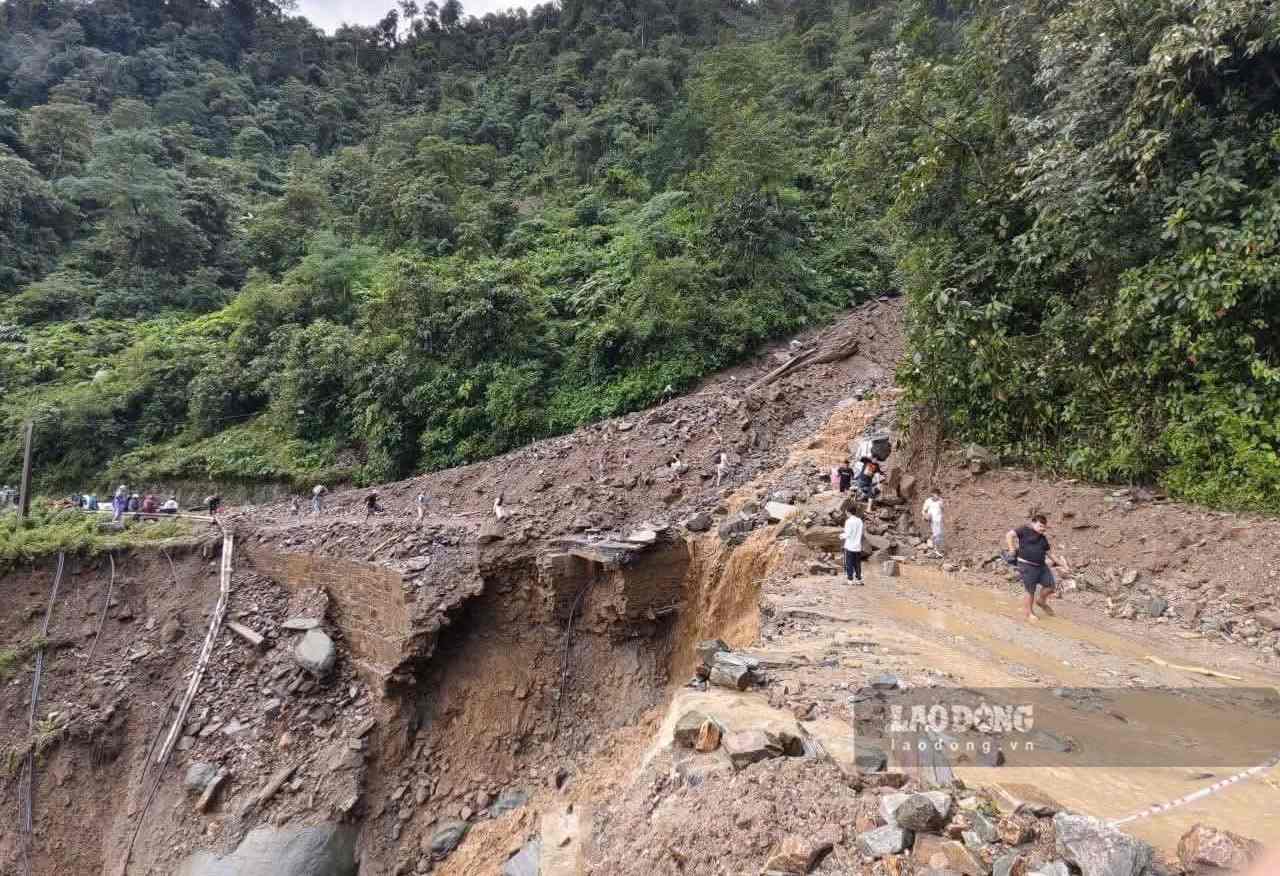
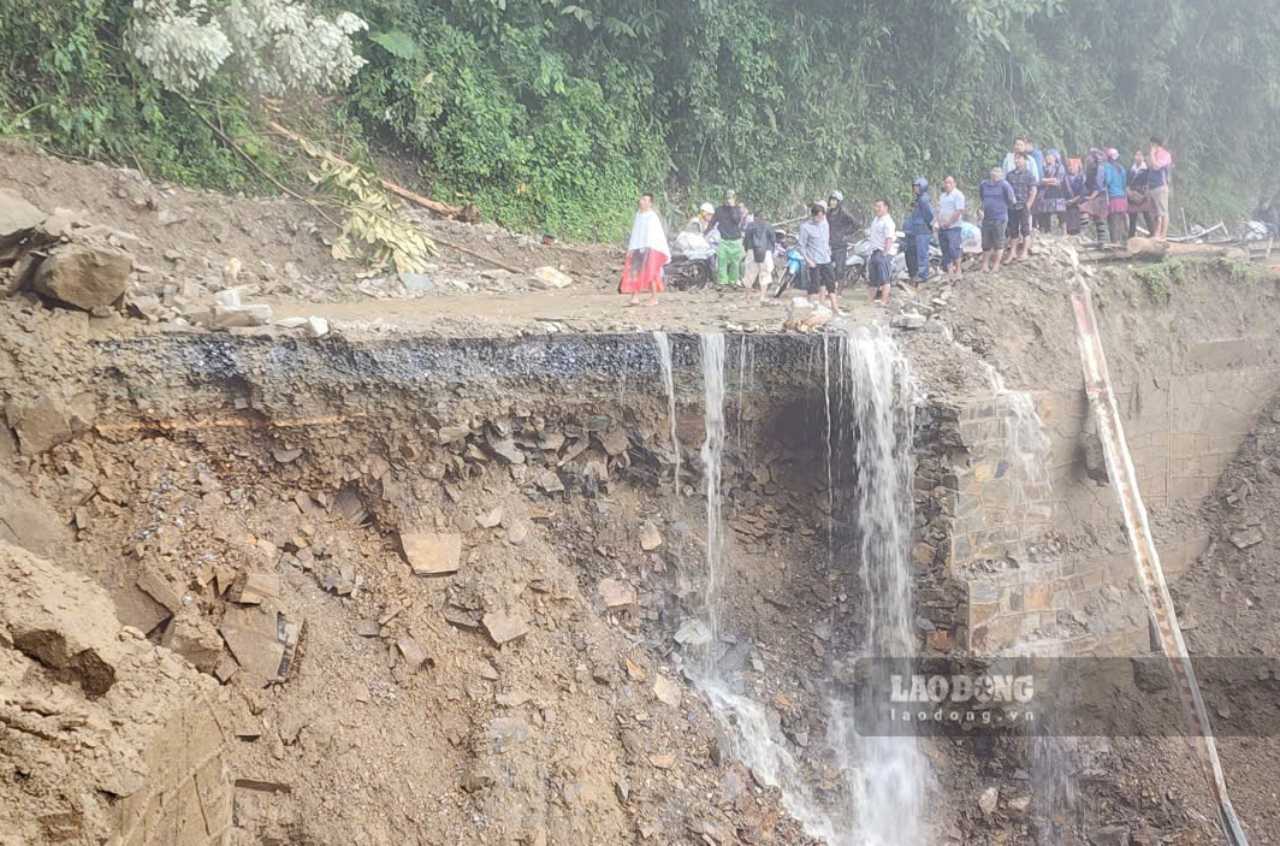
According to the Lao Cai Provincial Road Maintenance Management Board, 83 periodic and unscheduled repair projects are currently being implemented in the area, focusing on key routes such as: National Highway 4D, 32, 37 and provincial roads in highland and border areas. Many technical solutions such as reinforced concrete embankments and stone gable walls are being applied to handle major landslide points.
Mr. Vu Manh Cuong - Deputy Director of Lao Cai Road Joint Stock Company - said that the unit is managing and maintaining 2 national highways and 10 provincial roads.
Although construction has been stepped up, there are still many difficulties such as lack of materials, high transportation costs, especially lack of waste disposal sites, which directly affects the progress of landslide treatment.
For example, National Highway 4 (section from Sin Cheng commune to Pha Long commune) and National Highway 4D (from Muong Khuong commune to Lao Cai ward), one side is a stream, the other side is people's cultivated land, so it is very difficult to arrange landfills. Transporting soil and rocks far increases costs and prolongs landslide treatment time.
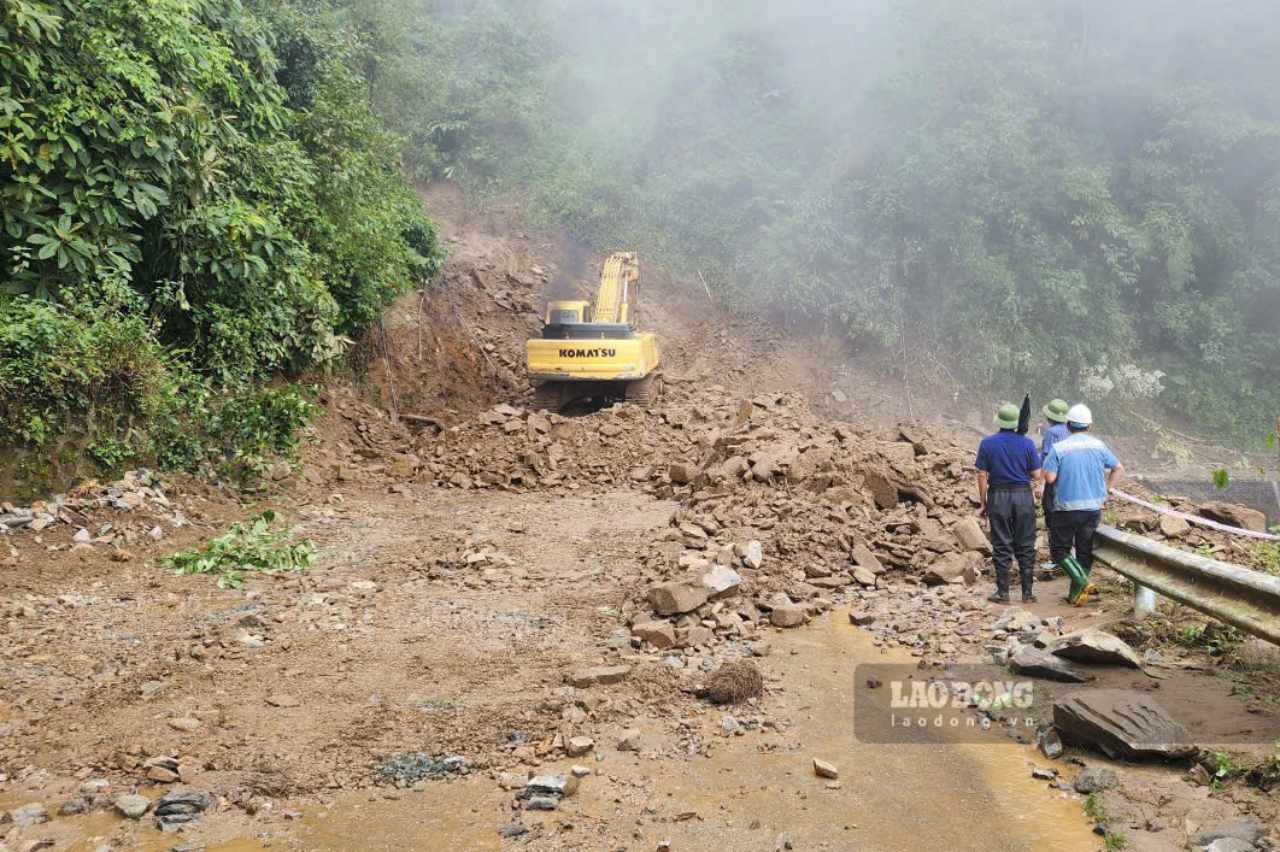
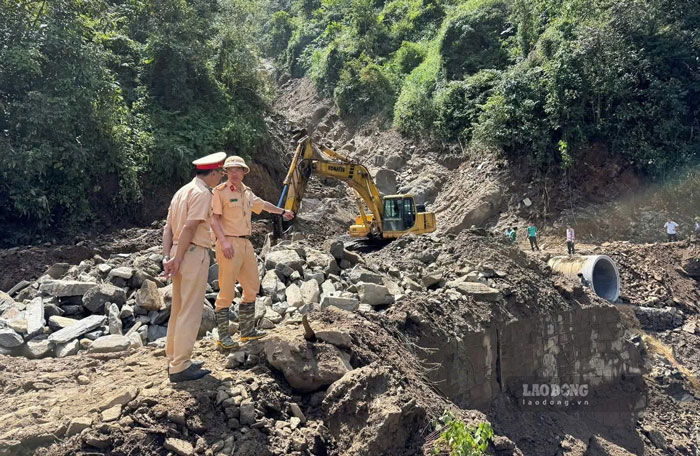
To cope with immediate difficulties, functional units have proactively responded to the rainy and flood season. Disaster prevention plans have been developed, materials and machinery have been arranged at key points, ready to handle when situations occur.
The Lao Cai Provincial Road Maintenance Board also requested maintenance units to take advantage of favorable weather to speed up progress. At the same time, prepare materials and equipment at key points to be ready to handle when situations occur.


