
On April 14, in Dak Lak province, the Forum "Population of EPR regulations and support mechanisms for handling pesticide packaging and fertilizers in localities" was organized, with the participation of representatives of management agencies, experts and businesses in the fields of agriculture and environment.
The program is organized by the Department of Environment, the Department of Crop Production and Plant Protection, and the Department of Agriculture and Environment of Dak Lak province in coordination with the Agriculture and Environment Newspaper.
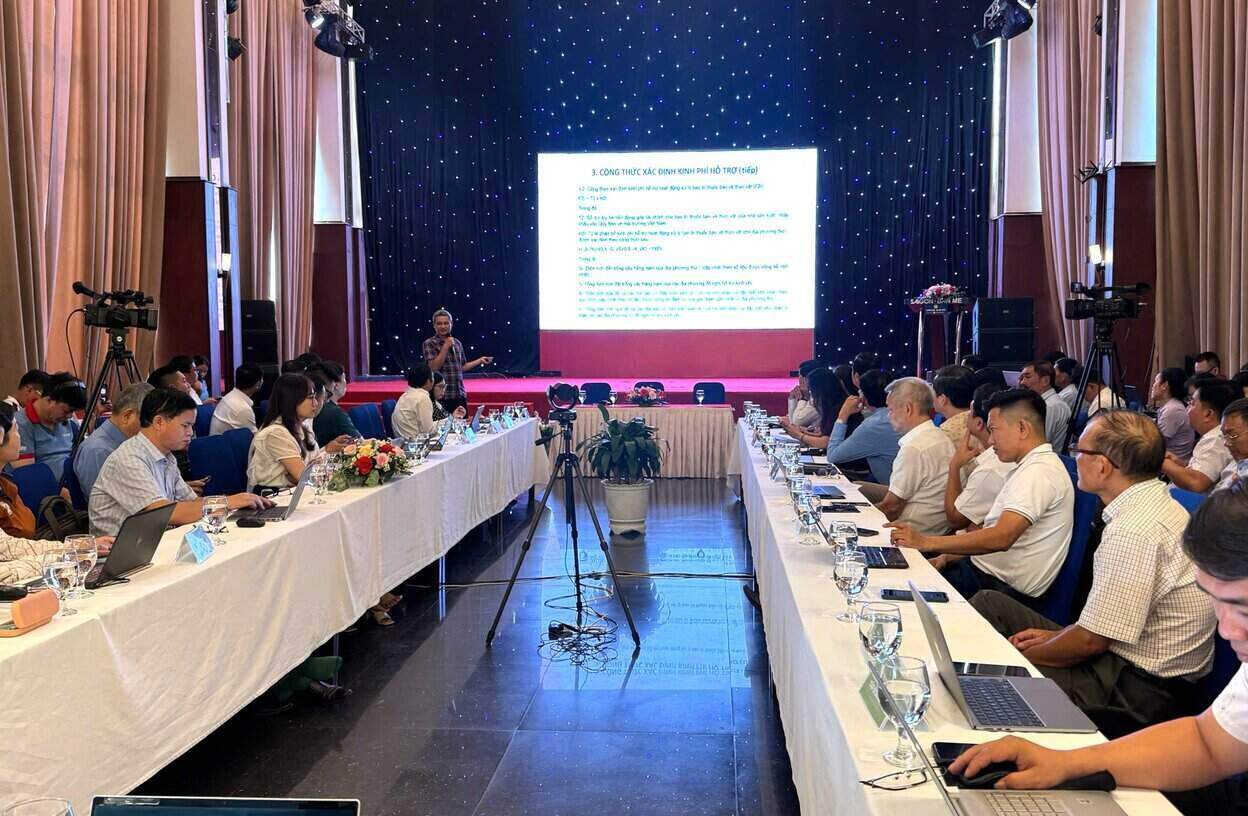
The forum aims to update and disseminate new regulations on the expanded responsibility of manufacturers (EPR). At the same time, clarify the mechanism to support the collection, transportation and treatment of packaging of pesticides (PPs) and post-use fertilizers - one of the urgent environmental issues in many localities.
At the forum, delegates focused on discussing agricultural packaging collection and treatment policies; new points of EPR; the current situation of implementation in the Central Highlands region; effective treatment models; financial mechanisms and responsibilities of stakeholders.
The exchange session between management agencies, businesses and localities also pointed out difficulties and obstacles in the implementation process, thereby proposing solutions to promote the circular economy, towards a green and sustainable agriculture.
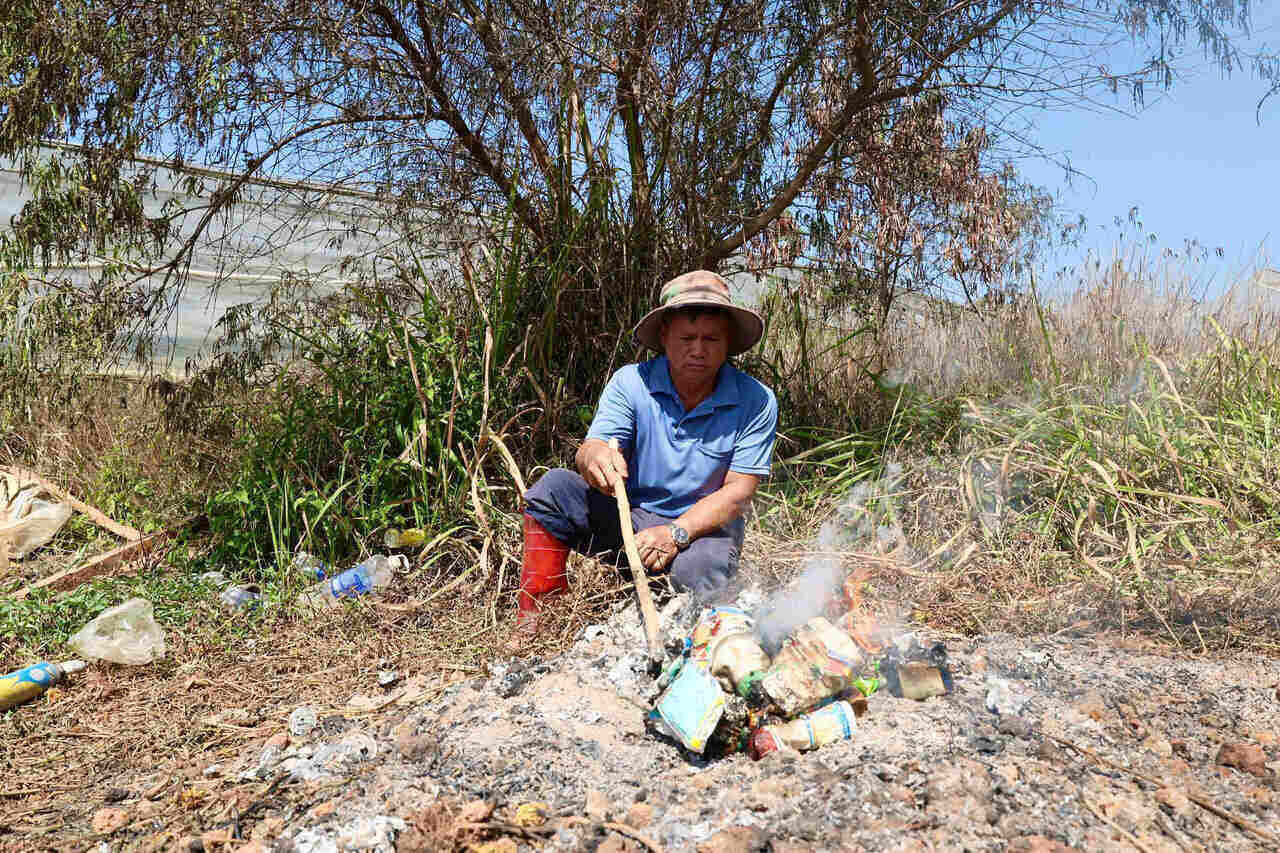
According to Mr. Luong Ngoc Quan - Deputy Head of Food Safety and Environment Department (Department of Crop Production and Plant Protection), in the period 2022-2024, the whole country has collected nearly 2,500 tons of pesticide packaging after use, but there are still more than 550 tons that have not been treated. Among the collected, only about 1,400 tons have been treated according to regulations; the rest is self-destructed or has not been treated by people.
The main causes stem from people's awareness and habits. The situation of throwing away packaging in fields and canals is still common, posing a risk of soil and water pollution. In addition, the collection infrastructure is still lacking and not up to standard; funding for transportation and treatment is still limited, while the support mechanism is not clear.
Faced with this situation, representatives of functional agencies proposed to strengthen propaganda to change people's behavior. At the same time, improve infrastructure, remove financial and financial obstacles to ensure that hazardous waste treatment processes are implemented effectively and sustainably," Mr. Quang added.
According to the roadmap, from 2024, businesses must fulfill the responsibility of recycling for many types of packaging such as plastic, paper, metal, glass, and products such as batteries, electrical equipment, electronics, tires. Businesses can self-organize recycling, hire intermediaries or contribute financially for state agencies to implement.
The implementation of EPR is expected to bring benefits both to the environment and the economy. However, in the early stages, many businesses still face difficulties due to increased costs and lack of information.
The forum is expected to contribute to connecting policies with practice, raising awareness and strengthening coordination in agricultural waste management, especially pesticide packaging and fertilizers.


