
After a period of implementation, Resolution 57-NQ/TW of the Politburo is gradually shifting from strategic orientation to specific mechanisms and policies. One of the contents of concern is building and developing a high-quality human resource team for science, technology, innovation and digital transformation.
Mr. Le Anh Tuan - Deputy Director of the National Digital Transformation Department (Ministry of Science and Technology) said that the implementation of Resolution 57 has shifted from the stage of building policies to organizing implementation through specific mechanisms and policies. Many tasks on human resource development, digital infrastructure, data, strategic technology and supporting innovative businesses have been concretized into programs, projects and action plans by ministries, branches, and localities.
To realize the objectives of Resolution 57, many important policies related to attracting, using and valuing talent have been issued in the past time.
In which, Decree No. 179/2024/ND-CP stipulates policies to attract and value talented people; Decree No. 231/2025/ND-CP stipulates the selection, use and valuation of national science, technology, innovation and digital transformation human resources; Decree No. 249/2025/ND-CP stipulates mechanisms and policies to attract science, technology, innovation and digital transformation experts.
Along with that, Decree No. 263/2025/ND-CP guiding a number of articles of the Law on Science, Technology and Innovation on the mechanism of autonomy and self-responsibility of science and technology organizations, contributing to creating a more favorable environment to promote the capacity of the research team.
The synchronous completion of these mechanisms is considered an important foundation for building human resources to meet the development requirements of strategic technology fields that the country is prioritizing.
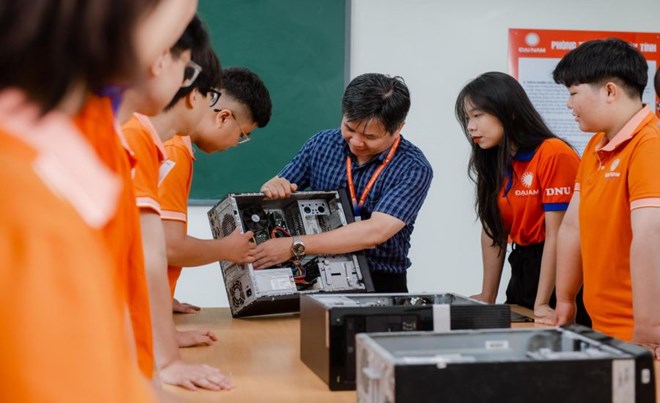
According to the direction of implementing Resolution 57, human resources are not only a factor serving the development of science and technology but also determine innovation capacity and the ability to master new technologies in the future.
In addition to attracting experts, giving more autonomy to science and technology organizations is also expected to create conditions for research teams to promote creativity and be more proactive in professional activities and cooperation.
The steps to improve institutions in the past time show that the focus of Resolution 57 is not only on infrastructure investment or digital data development, but also towards building a high-quality human resource team, capable of leading the process of innovation and national digital transformation.
This is considered one of the important conditions for the development goals of science, technology and strategic technology industries to soon become reality, contributing to improving the competitiveness of the economy in the new period.


