Guava is often considered a healthy choice for people who need to control blood sugar. However, to maximize the benefits of guava and not cause sudden increases in blood sugar, choosing the right time to eat is a very important factor.
The best time to eat guava is between main meals, which is about 2-3 hours after the meal. At this time, blood sugar is usually stable, the body needs light energy. Eating guava at this time not only helps provide soluble fiber - helps slow down sugar absorption - but also avoids the situation of blood sugar spikes like when eating fruit on an empty stomach. Eating guava in the middle of the session also helps limit cravings for sweets, which is beneficial for people with prediabetes or type 2 diabetes.
guava should not be eaten immediately after a main meal, especially a meal with a lot of starch. When the stomach is containing a large amount of food, adding guava can easily slow down digestion, causing bloating or discomfort. Because guava has more fiber and is more difficult to digest than some soft fruits. In addition, combining starch from meals with the natural sugar content in guava can cause blood sugar to increase higher than expected.
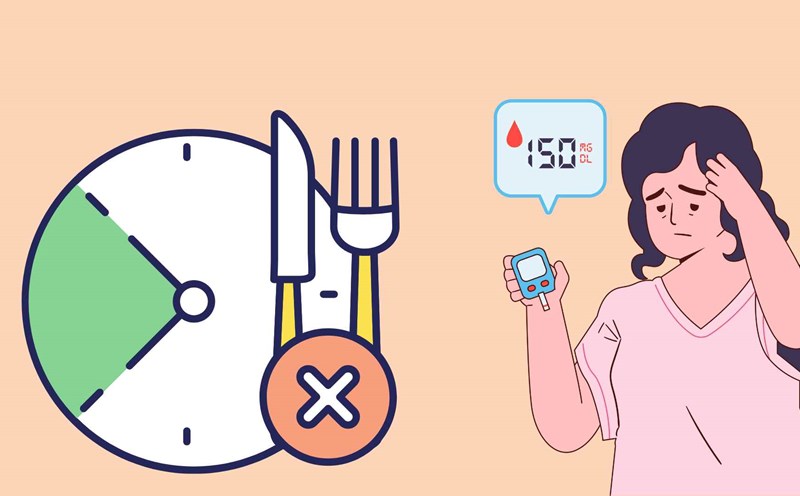
Do not eat guava when hungry. Although guava has a low GI, eating it on an empty stomach can cause blood sugar to fluctuate rapidly, especially in people who are sensitive to sugar. In addition, the mild sourness of guava can stimulate the stomach to secrete more acid, causing alcohol or discomfort for people with stomach diseases.
Afternoon from 14.16 is also considered the ideal time to eat guava. At this time, the body often has slightly decreased energy levels and stable blood sugar. Supplementing guava helps maintain a feeling of fullness, reducing the need for sweets or fast food.