
Nutrition

The more you drink, the more calcium is deficient due to 3 mistakes when drinking milk
|
Calcium absorption capacity may be reduced, affecting bone and joint health in the long term due to some seemingly harmless habits when drinking milk.

How to eat garlic to help the liver detoxify in hot summer
|
Supporting the liver to detoxify in the summer by adding garlic to the diet is reasonable. However, some points need to be noted.

Nutritional differences between red and white meat
|
White meat is considered more healthy thanks to less saturated fat, but red meat is still an important source of nutrition if consumed in reasonable quantities.

How to process avocado to help lose weight and reduce blood fat
|
Adding avocado to a reasonable diet can help control weight and improve blood fat levels.

4 ways to support liver recovery and detoxification after drinking a lot of alcohol
|
Drinking a lot of alcohol can increase the burden on the liver. Some healthy habits can help support liver detoxification and maintain long-term health.

Increase muscle by eating lean meat at the right time
|
To increase muscle effectively, in addition to proper exercise, nutrition, especially when absorbing protein from lean meat, plays an extremely important role.

Risk of hyperkalemia when kidney patients eat coconut and banana at the same time
|
Combining bananas and coconuts in your diet can be harmful to people with kidney disease, which causes a sudden increase in potassium levels in the blood.

The secret to eating cakes that do not affect kidney health
|
Cakes are popular with many people but contain a lot of sugar, saturated fat and sodium - factors that can affect the kidneys if consumed excessively.
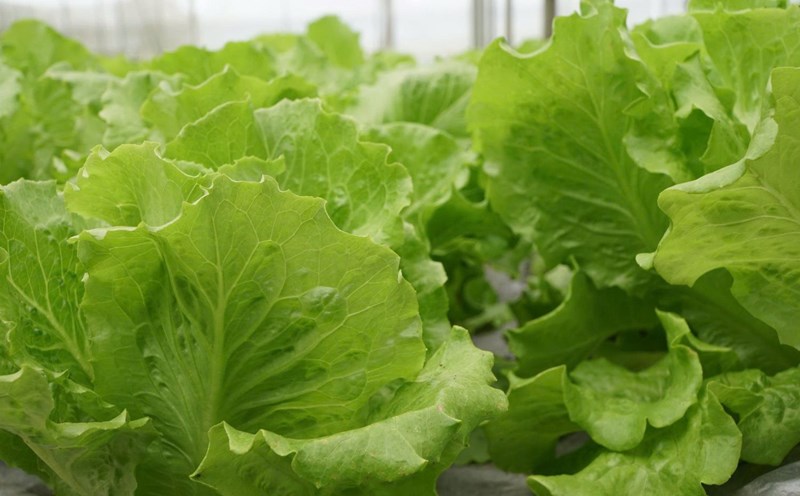
6 familiar foods that help reduce fat after 40
|
Some familiar foods that help reduce fat after age 40 such as salmon, eggs, green leafy vegetables...
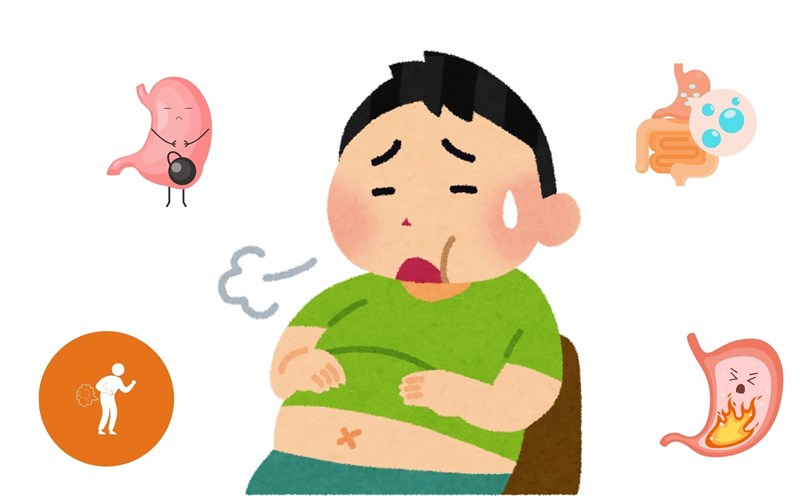
Impact of quinoa on gut health
|
Quinoa is nutritious but can cause bloating and constipation if used or processed incorrectly.
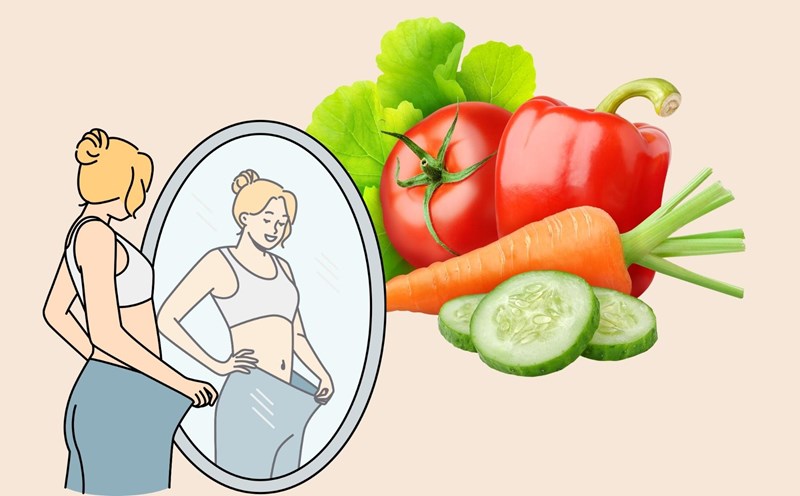
7 truths about fiber that gastroenterologists want you to know
|
Fiber is an essential component for digestion, immunity and cardiovascular disease, but most people do not supplement enough in their daily diet.
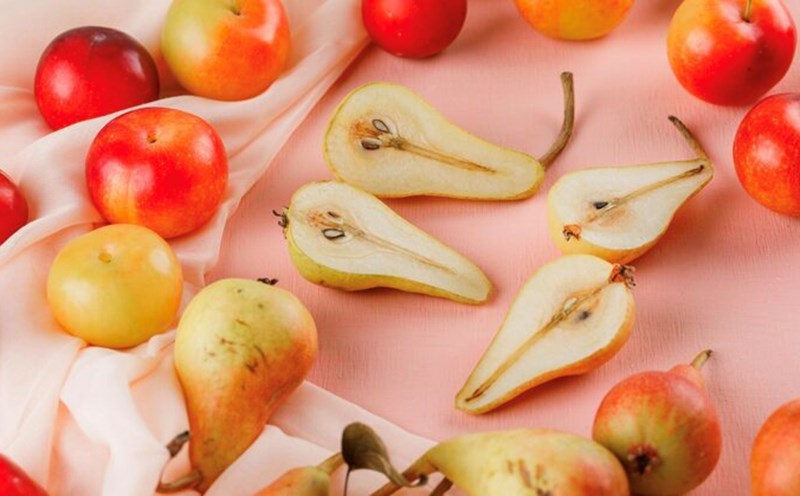
Apple and pear, which fruit is a good source of fiber for health
|
Apples and pears are both rich in fiber and antioxidants, but which is better for gut and heart health?
Unexpected uses of apple cider vinegar for people with a high glycemic index
|
A tablespoon of apple cider vinegar per day can bring many benefits to people who are controlling blood sugar, but not everyone knows how to use it properly.
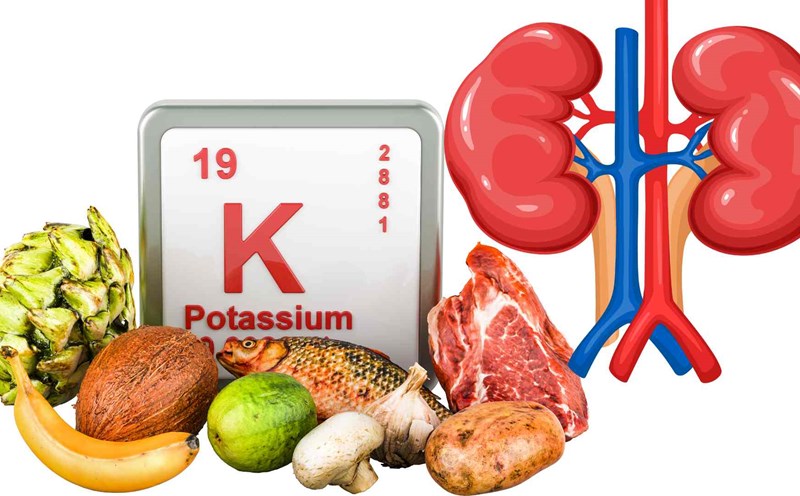
Nutrients help lower blood pressure, good for the kidneys
|
Supplementing enough potassium from natural foods helps reduce blood vessel pressure, support the kidneys and stabilize blood pressure effectively.
People with weak kidneys should not eat this popular food for breakfast
|
One of the top recommendations is that people with weak kidneys should not eat processed foods for breakfast.
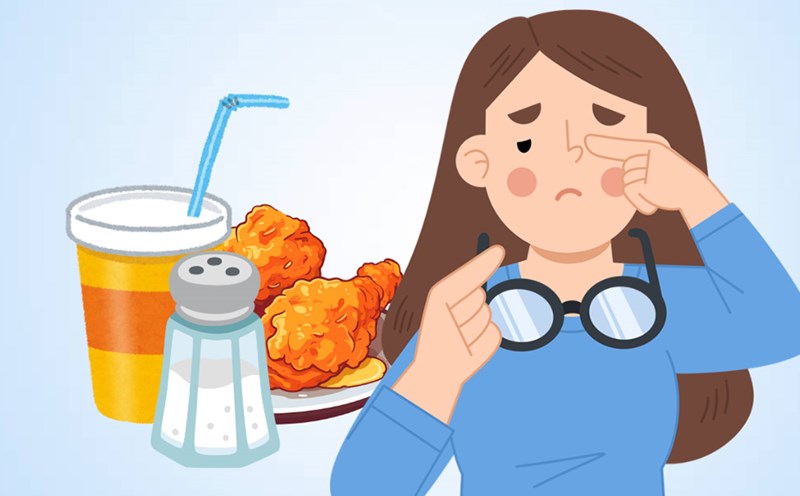
Foods that silently harm your vision
|
Some familiar foods such as white blood buter, fried foods or soft drinks can speed up the process of vision loss if consumed regularly.

Vegetables rich in antioxidants do not increase blood sugar
|
A green vegetable that is both nutritious and has strong antioxidant properties without increasing blood sugar is spinach, also known as spinach.
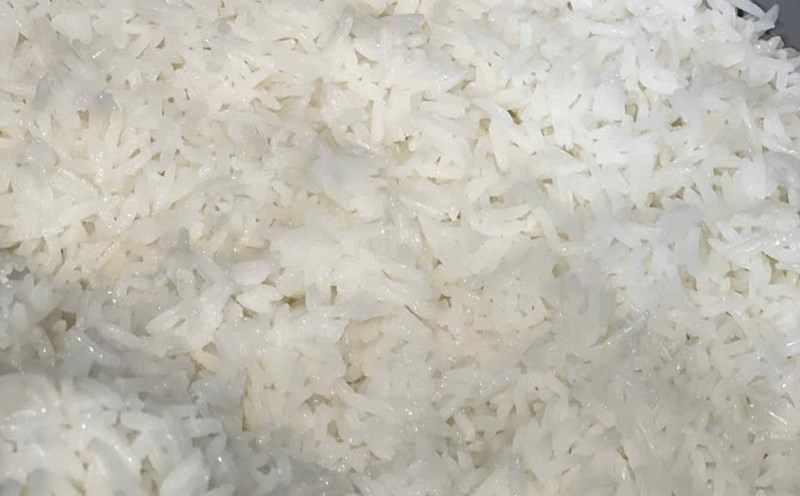
How to eat rice that is good for people with kidney failure
|
Many people with kidney failure are advised to reduce protein, sodium... but even the way they eat rice directly affects the disease control process.
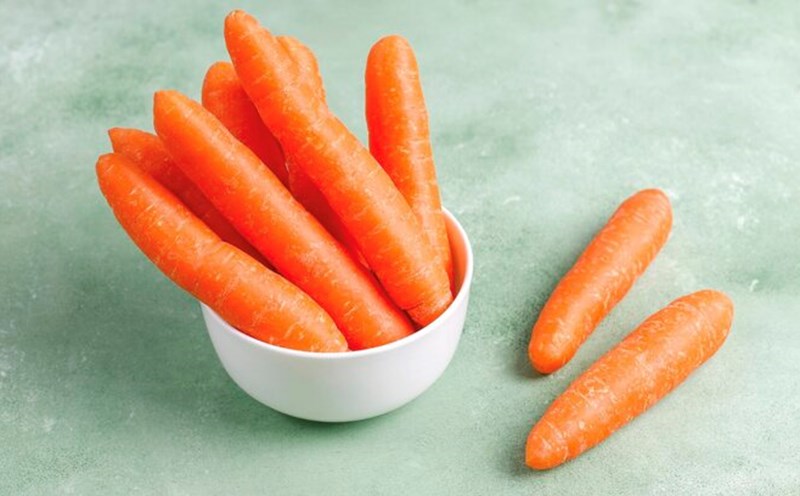
Eat carrots regularly, a natural secret to lower blood pressure and protect the heart
|
Regularly eating carrots not only helps brighten eyes but also helps lower blood pressure, protect the heart thanks to their rich antioxidant compounds, fiber and potassium.
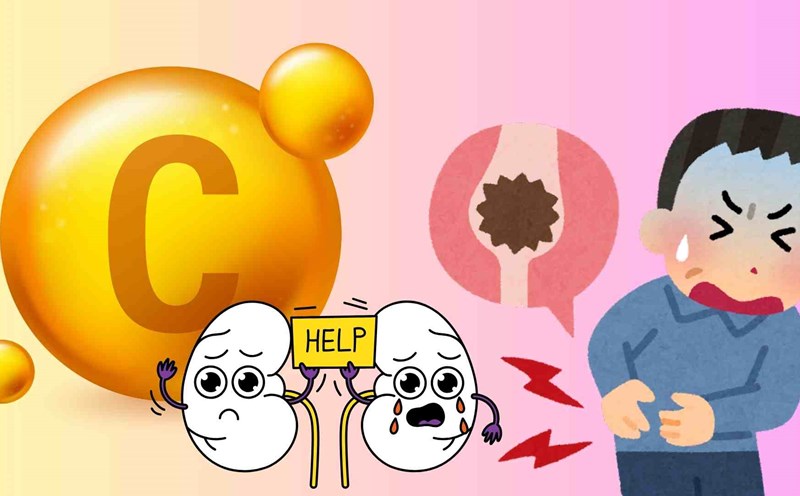
Golden rules when supplementing vitamin C to avoid the risk of kidney stones
|
Vitamin C has many health benefits, but if supplemented incorrectly, this micronutrient can unintentionally increase the risk of kidney stones.

