
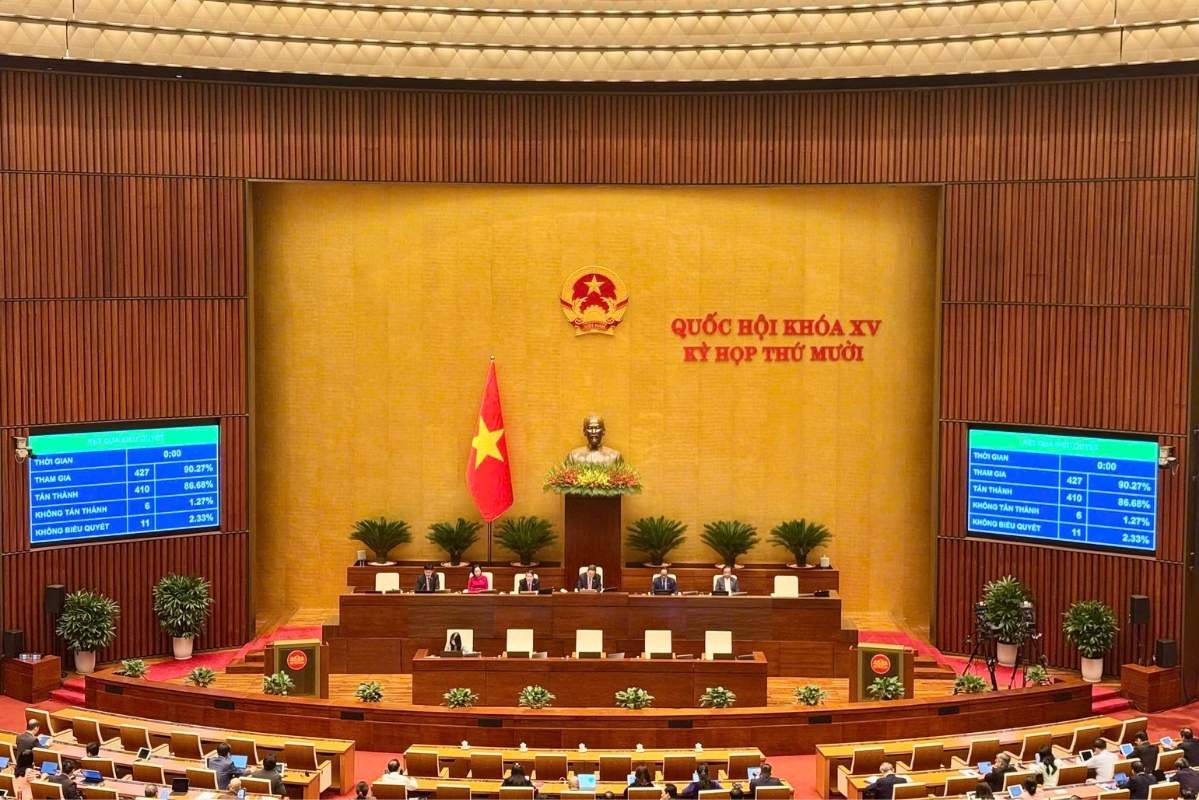
2025-2026 is considered a historic turning point for the Vietnamese aviation industry, when a series of national key infrastructure projects entered the drastic implementation phase. Notably, Gia Binh International Airport (Bac Ninh) - the largest private airport project ever has just been approved by the National Assembly with a high consensus rate.
The participation of Masterise Group - an investor trusted by the Government and the Ministry of Public Security - further strengthens expectations for a globally standard airport. With experience in project management and international cooperation, Masterise is expected to contribute to making Gia Binh a new-generation airport, opening a new era for Vietnam's aviation infrastructure.
Infrastructure goes ahead to create economic growth momentum
According to the 2026 socio-economic development plan, the National Assembly identifies transportation - infrastructure as the focus of investment, with major projects spanning from railways, aviation to seaports.
Over the past decade, Vietnam's aviation industry has grown strongly, contributing significantly to socio-economic development, national defense and security. The average growth rate of 10 years reached about 18%, making Vietnam the 5th fastest growing aviation market in the world and the fastest in Southeast Asia. However, hot growth has caused infrastructure to be overloaded, requiring additional planning for new airports.
The Resolution approving the investment policy for Gia Binh airport is considered a strategic step, contributing to restructuring the airline network in the capital region according to the twin hub model (two centers), such as the model in London or Tokyo.
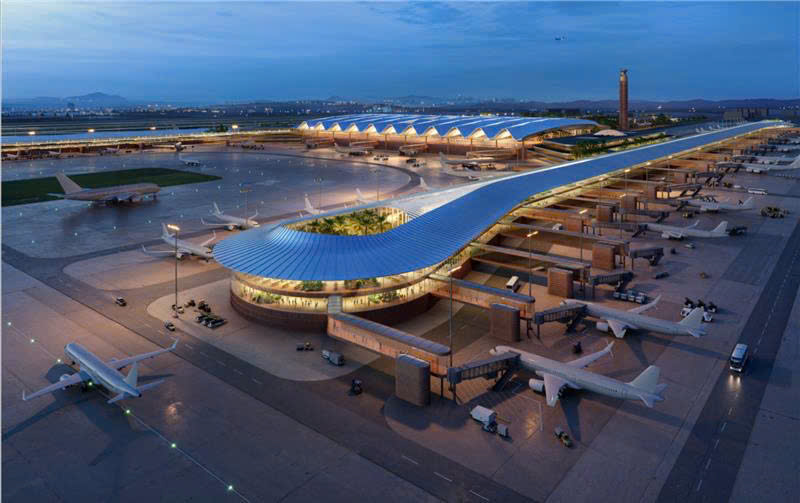
Masterise Group is also committed to developing a synchronous infrastructure ecosystem around the airport. This is a long-term vision, creating development momentum for the entire Bac Ninh - Bac Giang - Hai Duong - Hung Yen region.
Delegate Tran Van Khai (Ninh Binh delegation) affirmed: "Bac Ninh is the capital of electronics industry, now there will be an international gateway right on the spot. Produced goods will fly directly to the world, international tourists and experts will come directly to Bac Ninh, creating new investment attraction".
Mr. Khai emphasized that this is a golden opportunity to restructure the economy of Bac Ninh in particular and the Northern key economic region in general, rising to a higher value scale in the global supply chain.
Mobilizing private capital for large infrastructure demonstrates the correct policy, reducing pressure on the state budget in the context of limited public capital.
Gia Binh is oriented to become a new generation smart airport, applying a complete biometric system, operating automatically, meeting the set of ESG criteria. The terminal is expected to integrate a chain of high-end services for passengers, in line with Vietnam's sustainable development trend and net zero 2030 commitment.
Improving national competitiveness
At the groundbreaking ceremony at the end of 2024, Prime Minister Pham Minh Chinh emphasized that Vietnam needs to focus on effectively exploiting three types of "space" - space, sea and underground. In which, the aviation economy is a key component of the universe in a broad sense. According to the Prime Minister, exploiting aviation infrastructure well will create new development momentum in the context of "short land, many people".
From the planning perspective, KTS. Tran Ngoc Chinh, Chairman of the Vietnam Urban Planning and Development Association, assessed that the addition of airports is necessary, both to serve economic development and meet national defense needs.
The development of large-scale airports using private capital such as Gia Binh not only reduces the budget burden, but also supports national defense - security and foreign affairs strategies, meeting the needs of organizing international events.
The draft Law on Civil Aviation (amended) also strengthens the mechanism for attracting private investment and expanding the PPP model. National Assembly Chairman Tran Thanh Man said that this is an extremely important issue and there should be breakthrough regulations to encourage private investment and expand the public-private partnership model, especially for local airports and specialized airports.
Completing the aviation infrastructure system is considered an urgent requirement to achieve the double-digit growth target in 2026 and the following years. The synchronization of major projects such as Long Thanh or Gia Binh will elevate the national brand, strengthen competitiveness and create a launching pad for the economy.


