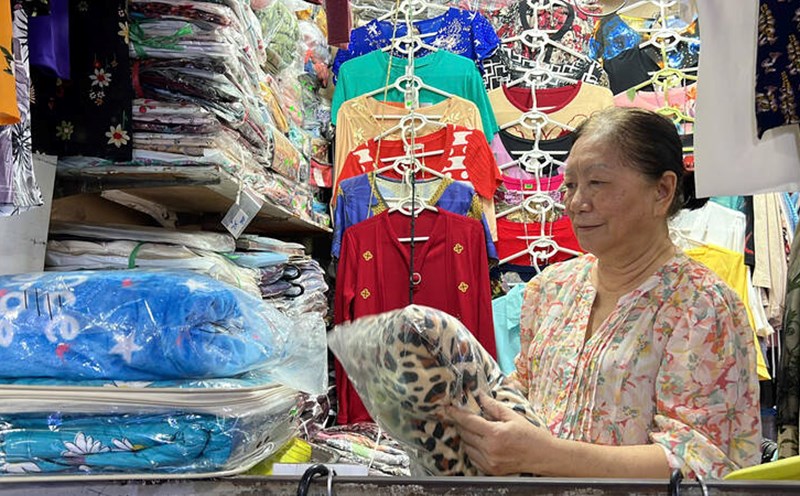
In many markets in Ho Chi Minh City, it is not difficult to see the scene of traders using smartphones to take product photos to send to customers and receive orders via Zalo and Facebook. However, that is just a very small start in digital transformation. Opening online stalls, managing inventories using software or selling via livestream are still unfamiliar to many people.
Ms. Nguyen Bich Hoa, a trader at Ba Chieu market, said: "I want to sell online to earn more income, but I am old and I am slow to use my phone. Hearing many stories about being scammed, I was afraid, I just needed to not dare to do it.
According to Ms. Hoa, although knowing that digital transformation helps reach more customers, being proficient in operating, building product images and processing orders is not easy.
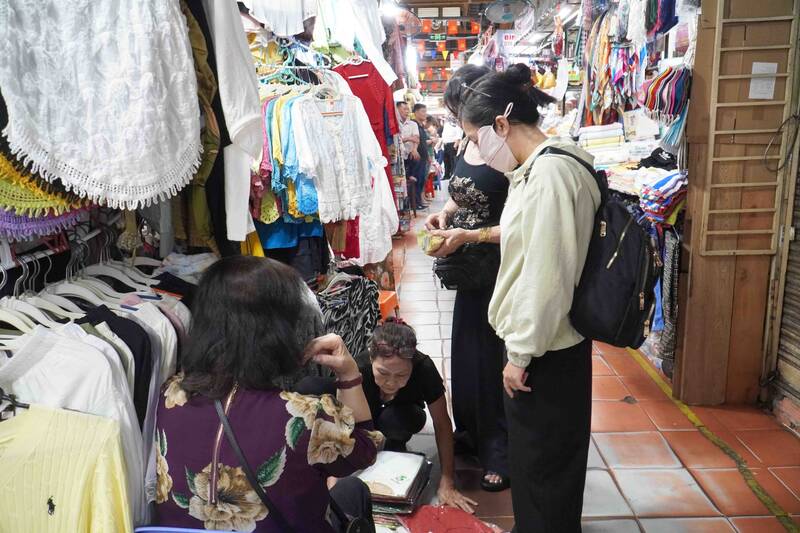
In recent years, Ho Chi Minh City has organized many digital skills training courses, livestream sales instructions, and support for creating booths on e-commerce platforms. However, the effectiveness of training is not uniform. Some traders have access quickly and adapt well, but many people still return to traditional selling methods because they "can't keep up".
Ms. Thanh Hang, a trader at Ben Thanh market, shared: Livestreaming must have a script, know how to speak, know how to interact. Older people like me are a bit nervous, try a few times and then give up. This reality shows that despite being aware of the benefits, many traders still face difficulties in implementation, especially in product promotion, online sales and the use of management software.
From a management perspective, Mr. Nguyen Nguyen Phuong - Deputy Director of the Department of Industry and Trade of Ho Chi Minh City said that modern retail channels currently only account for about 25-30% of the market share, the rest belongs to traditional channels - in which the market plays an important role in the group of essential food and food products. However, the rapid development of e-commerce and new retail models has caused many markets to "los wind" and make it difficult to adapt.
Some markets still maintain their appeal thanks to their favorable location, long-standing brand or combination with tourism - cuisine; but the majority are facing major challenges. According to Mr. Phuong, implementing the direction of the city's leaders, the Department of Industry and Trade has coordinated with the University of Economics and Law to conduct a field survey, collect opinions from traders and experts to study development solutions.
The project " markete model adapting to epidemics and digital transformation" has been completed and is entering the implementation phase. The Department will focus on classifying the market system: weak markets considered for conversion of functions; potential markets will be upgraded, supplemented with solutions to improve operations; some markets can develop in the direction of combining tradition - modernity, e-commerce application and digital product promotion.
In the coming time, large resources will be prioritized for digital transformation at the market. The city's orientation is to create a model suitable for the characteristics of each locality, each small-scale group, with a clear roadmap and solutions "entering reality", instead of stopping at theoretical training. In addition to commercial, many markets can also become cultural - tourism highlights, if they are invested in a systematic way and digital transformation is associated with the buyer experience.
Digital transformation for small traders is therefore not only a change in sales tools, but a process of transforming thinking, business models and customer approaches. With support and appropriate solutions, traditional markets can still play an important role in Ho Chi Minh City's retail network and keep up with new consumer trends.