Garbage piled up into mountains
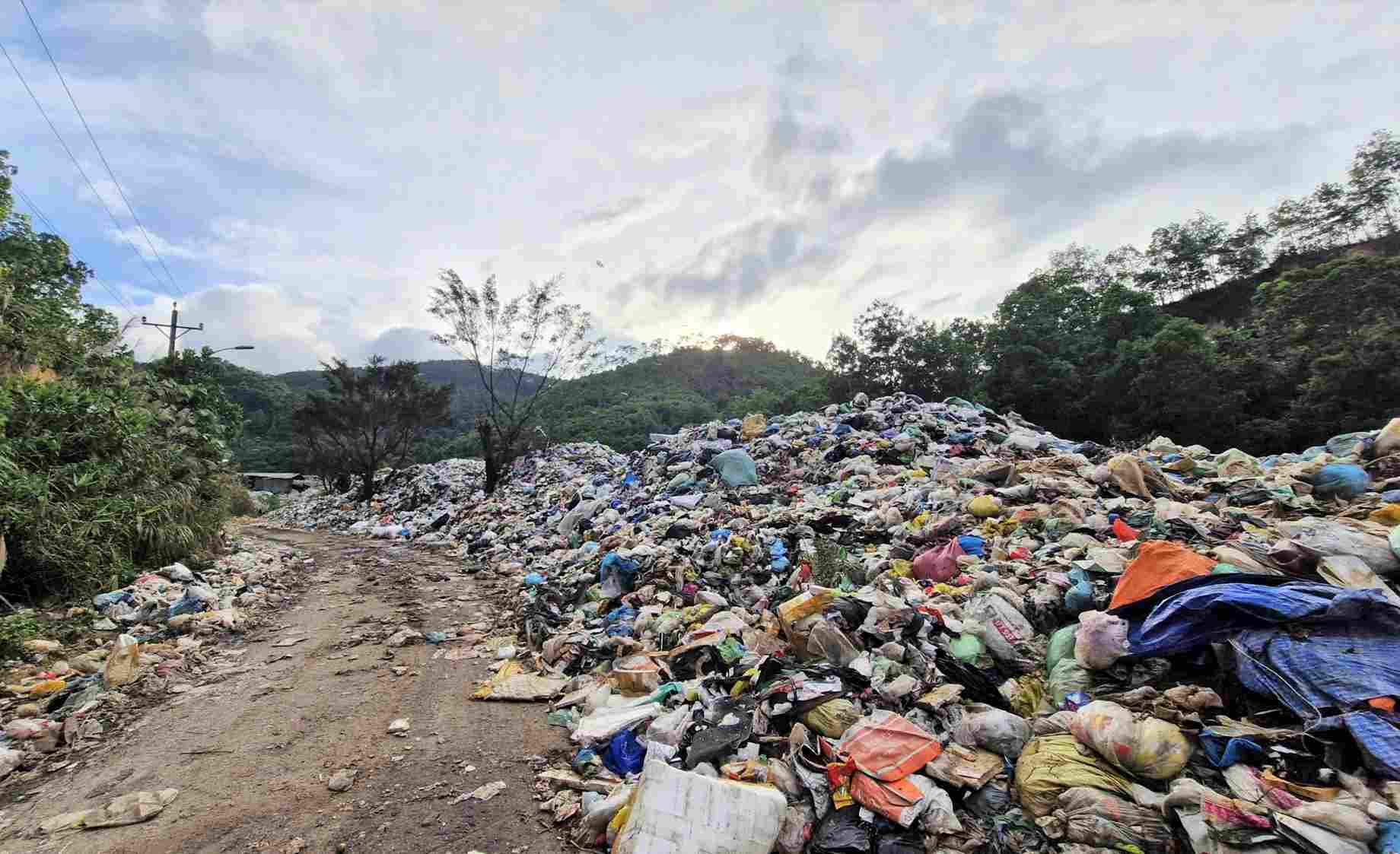
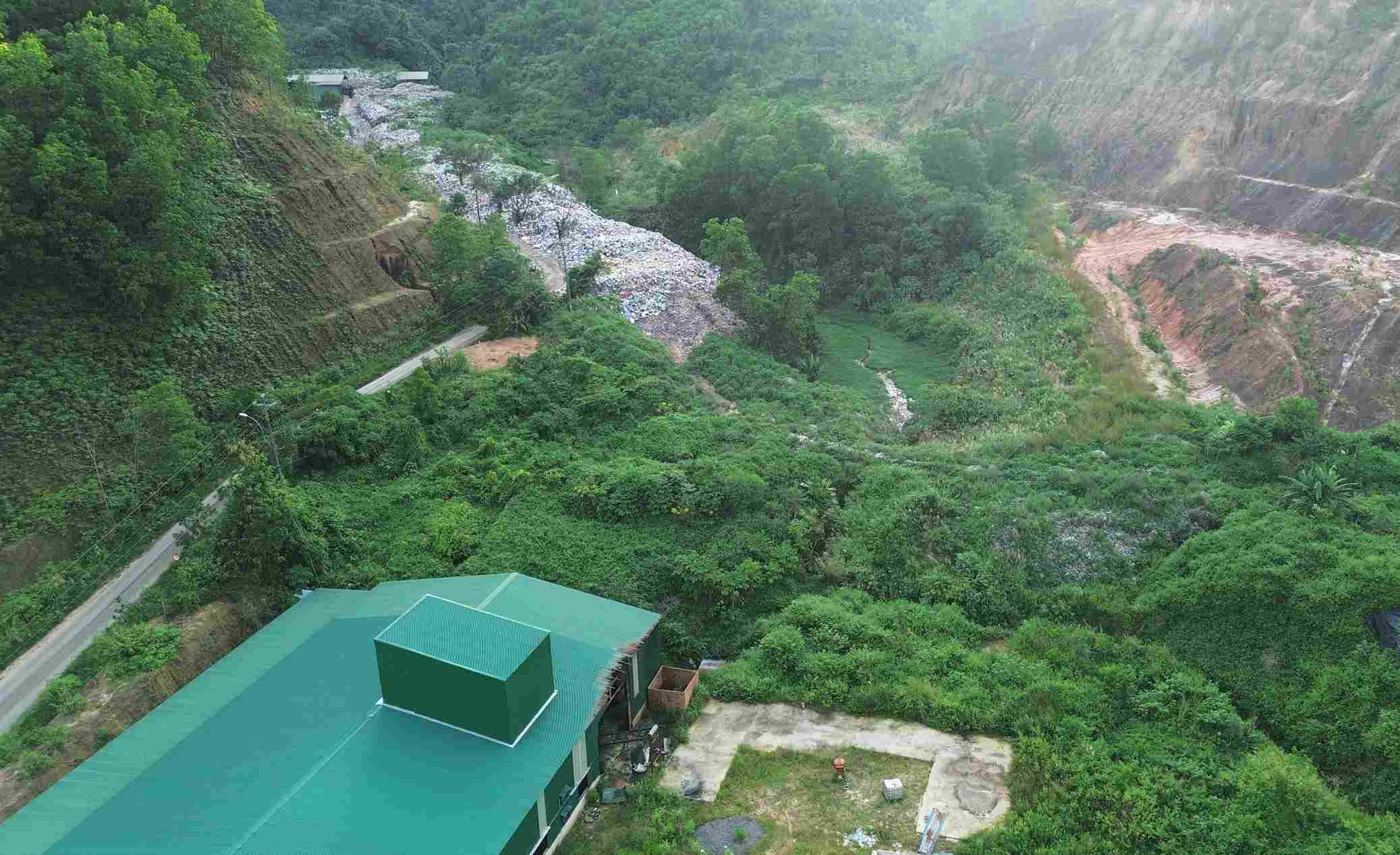
On October 30, actual records at Bao Loc Waste Treatment Plant, in Bao Loc Ward 3, Lam Dong Province showed that this plant still showed no signs of burning and treating waste after a long period of suspension.
According to research, more than a month ago, Bao Loc Waste Treatment Plant had to temporarily suspend operations due to many reasons. Among them, there are damaged and degraded equipment and machinery.
In particular, from July 2025 to present, Friendly Green Environment Joint Stock Company - the unit operating the plant - has not been paid for waste treatment costs.
Mr. Le Dinh Trong, Chairman of the Board of Directors of Friendly Green Environment Joint Stock Company, said that due to many months of not being paid for waste treatment costs, the company has no funds to pay wages to employees.
"Without salary payment, many workers have quit their jobs to find other jobs, forcing the factory to temporarily suspend operations" - Mr. Trong said.
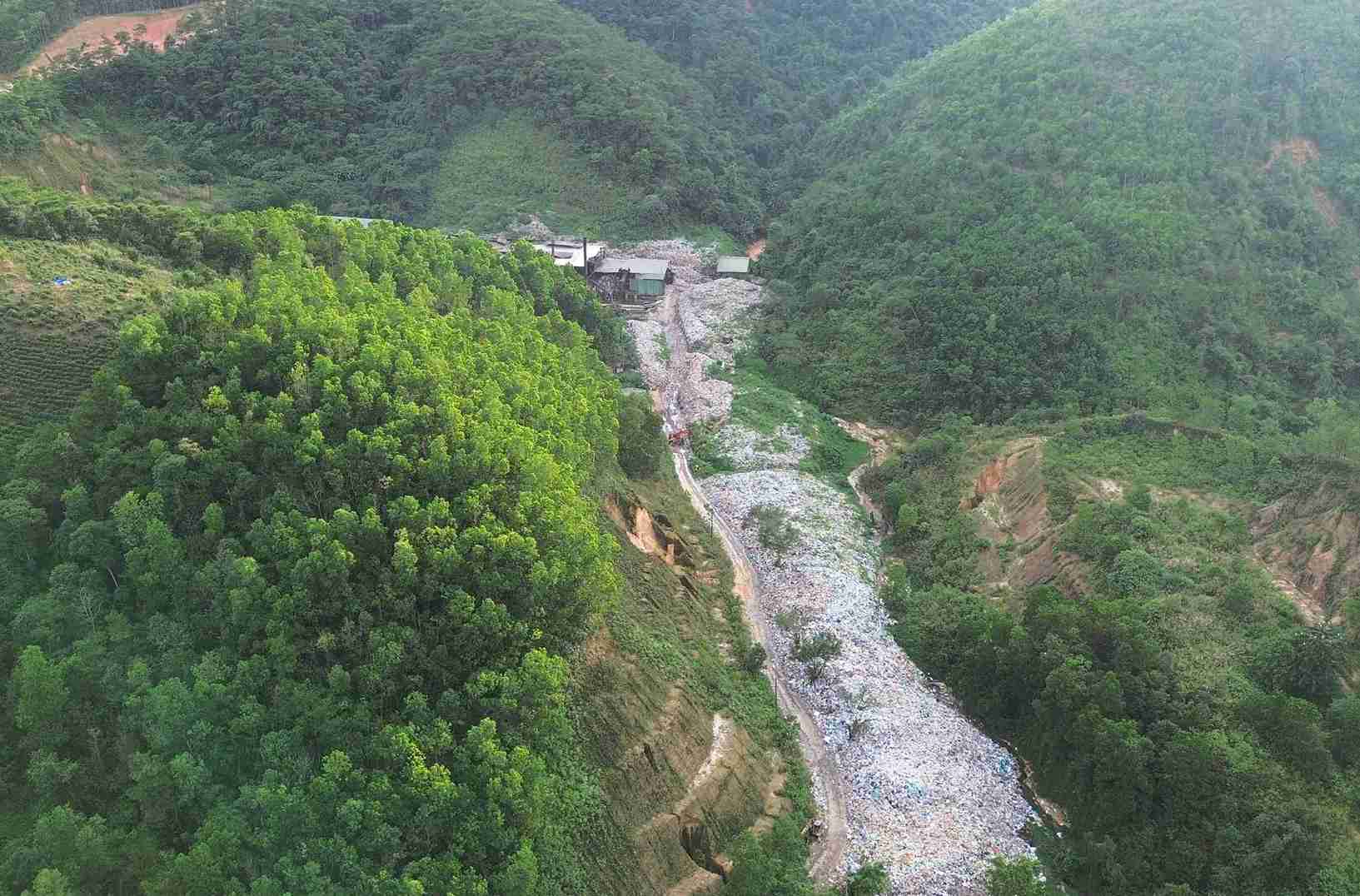
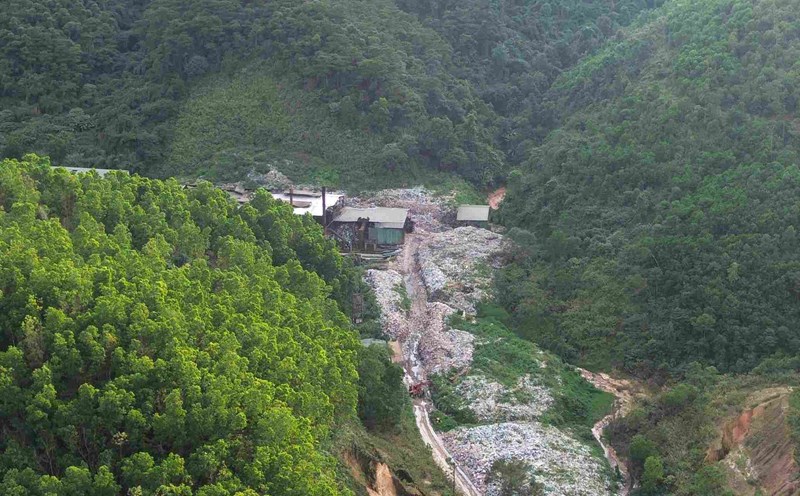
The plant's suspension has caused waste to stagnate, turning into giant "mountains of garbage" in the premises. Currently, all warehouses and gathering areas here are full. In many locations, garbage was grown more than 15m high, forming large, long blocks.
Not only that, the internal traffic road of more than 100m long in the factory premises is also being used as a garbage storage area. Due to the overload, garbage has overflowed into the valley next to it.
Up to now, the receipt of waste at Bao Loc Waste Treatment Plant is almost overloaded, with no more space for additional storage.
Garbage stagnates, wastewater overflows into the environment
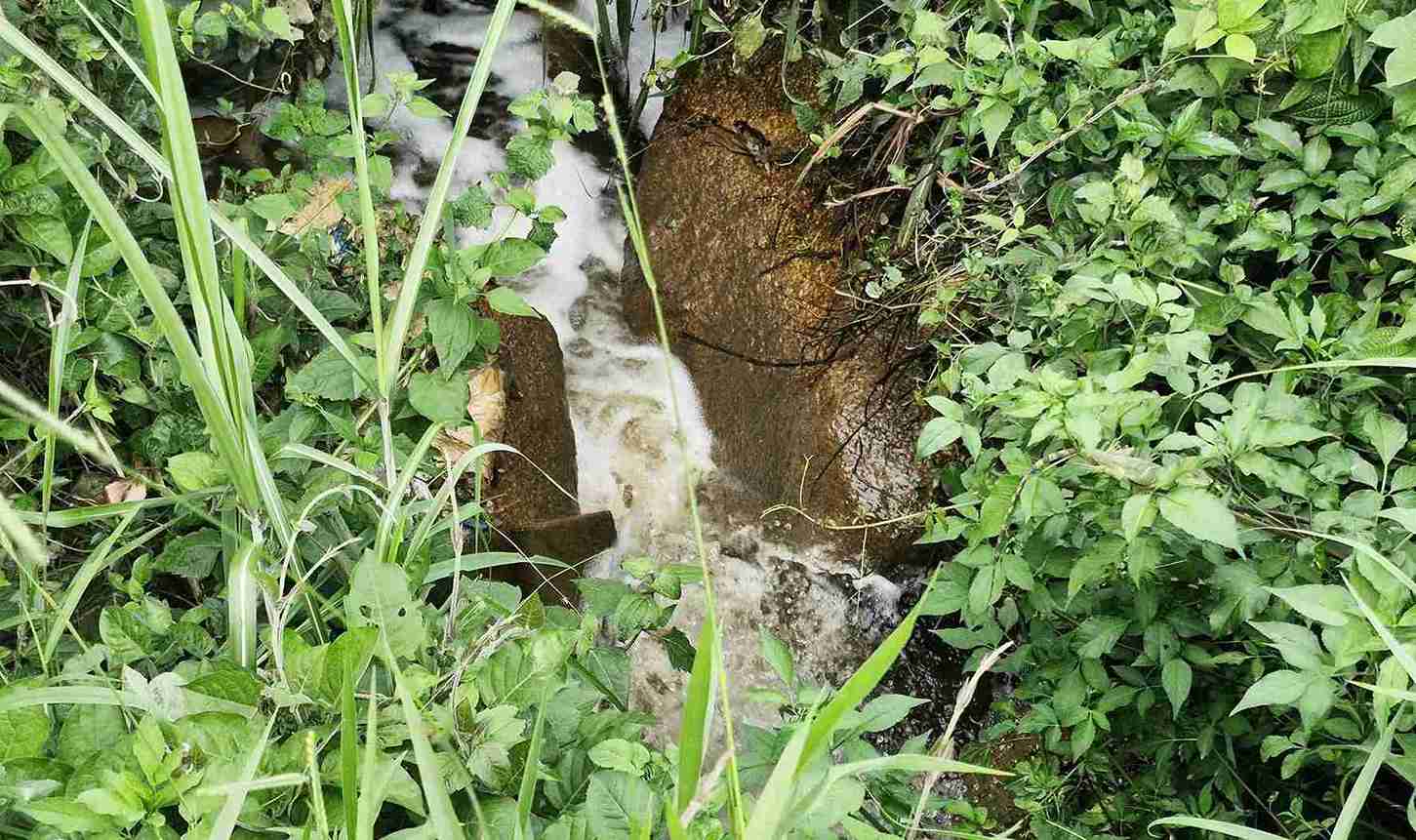
According to estimates, there are currently more than 64,000 tons of waste stagnant, as high as mountains due to not being treated promptly. These "mountains of garbage" are not covered, combined with the heavy rain in the past, causing wastewater to flow into the environment.
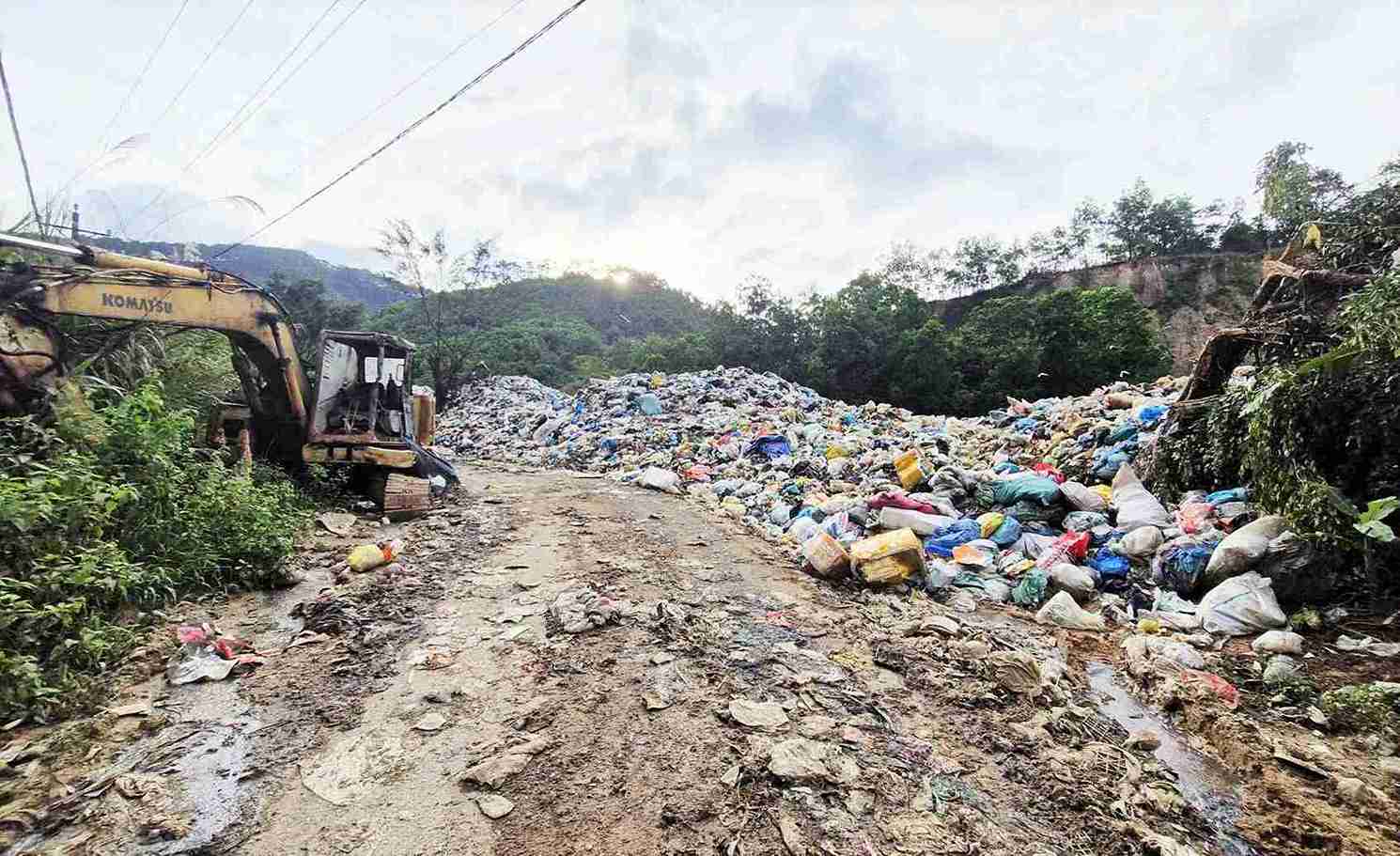
In the internal road area, the wastewater was black, giving off a strong stench, covering a large area. All of this wastewater flows straight into the environment, into the Dai Lao stream below.
Not only that, flies appear densely, posing a serious risk of environmental pollution both inside and outside the waste treatment plant area.
According to the representative of Bao Loc Urban Construction Joint Stock Company, the unit is responsible for collecting and transporting garbage in 4 wards including: Ward 1, Ward 2, Ward 3 and Ward B'Lao, each day the amount of waste generated from 120 - 140 tons is brought to the factory.
However, due to the large amount of accumulated waste, the receipt of waste is sometimes delayed, affecting the collection and transportation of the unit.
This is also the reason why garbage in the city is stagnant locally, posing a potential risk of environmental pollution and loss of urban beauty.
Mr. Le Dinh Trong, Chairman of the Board of Directors of Friendly Green Environment Joint Stock Company (the unit operating the plant) said that the plant currently has two incinerators, but they have degraded and are operating with difficulty.
Currently, the company is investing in maintaining the old incinerator and installing two new ones to increase capacity. It is expected that in mid-November, the plant will operate all four incinerators, thereby solving the amount of waste remaining.
A representative of Bao Loc Urban Construction Joint Stock Company added that if the factory does not resume operations soon, there will be no more garbage collection places in the city, leading to more serious stagnation, causing environmental pollution and losing urban beauty.
On November 1, speaking with a reporter from Lao Dong Newspaper, Ms. Vo Thi Thu Nga, Chairman of Bao Loc Ward 3 People's Committee, said that the waste treatment plant in the area currently has many shortcomings. There is too much stagnant waste, posing a high risk of environmental pollution.
The locality has worked with the plant management and operation unit and relevant agencies to propose to the Provincial People's Committee and departments and branches to agree on waste treatment prices.
This will be the basis for the factory to have funds to pay wages to workers and maintain operations in the coming time.