
According to a research group led by epidemiologist Fang Hua Liu at Shengjing Hospital (Chinese Medical University), blood type B is the only link that achieves the most convincing evidence when analyzing hundreds of studies on blood types and health.
Scientists reviewed 51 system overviews, including 270 links between ABO blood type, Rh factor and various diseases. After removing inconsistent or unreliable results, only one link was clearly confirmed: blood type B increases the risk of type 2 diabetes.
People with blood type B, whether Rh positive or negative, are at an average risk of getting the disease about 28% higher than people without this blood type.
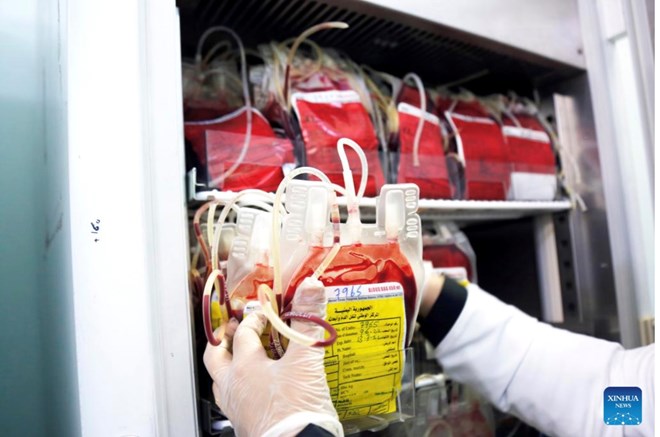
However, experts emphasize that this is only a relatively small risk factor. Factors such as diet, weight and lifestyle still have a significantly greater impact.
Research evidences that consuming 50 grams of processed meat per day can increase the risk of type 2 diabetes by 37%, while an inactive lifestyle can double the risk. Overweight is still one of the strongest risk factors for this disease.
Currently, scientists have not accurately determined the reason why blood type B is related to diabetes. Some hypotheses suggest that gut microorganisms may play a certain role, but more research is needed to verify.
The authors recommend that people should not worry too much if they are blood type B. Maintaining a healthy diet, regular exercise and weight control are still the most effective measures to prevent type 2 diabetes.


