
On June 18, a national scientific conference on inspection, settlement of complaints and denunciations, and prevention and combat of corruption, wastefulness, and negativity in the new era is taking place in Khanh Hoa.
Inspection contributes to perfecting policies before violations arise
At the workshop, many experts said that innovating inspection operating methods is no longer an option but has become an inevitable requirement of the process of modernizing national governance.
Assoc. Prof. Dr. Nguyen Van Quang - Vice Rector of Hanoi Law University - when analyzing the trend of modern public governance, also emphasized the requirement to shift from management models to governance models, in which data, transparency and accountability become core factors.
According to him, the role of inspectors needs to be expanded. Inspectors must not only check compliance with the law but also participate in identifying risks, warning of risks and contributing to perfecting policies before violations arise.
One of the contents that many delegates are interested in is the proposal to shift the focus of inspection activities from "handling violations" to "early and remote prevention" based on risk management and data exploitation.
According to MSc. Nguyen Van Luong - Principal of the School of Inspection Officers, the development of inspection plans should not mainly rely on administrative assignment mechanisms or reflections after incidents arise, but should be based on data analysis, risk assessment and accurate identification of areas, locations, and projects at high risk of violations.
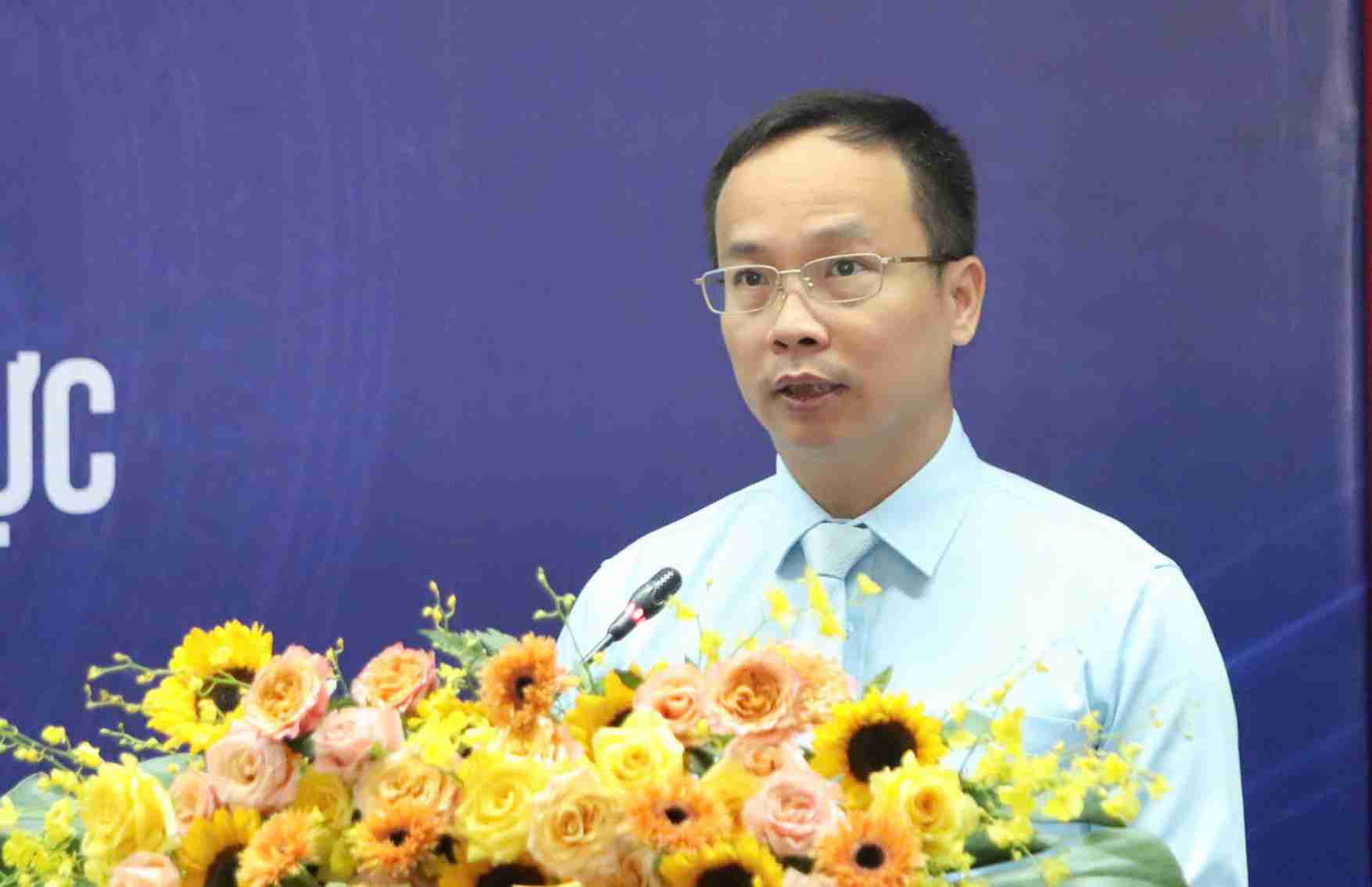
This view was also agreed upon by Dr. Dinh Van Minh - former Director of the Legal Department, Government Inspectorate - and many experts researching power control.
Opinions suggest that the effectiveness of inspection activities in the new period should not only be measured by the number of inspections, the amount of recovered money or the number of handled cases.
More importantly, it is the ability to prevent violations, close loopholes in management and minimize risks for the entire system.
Digital transformation is precisely the change in the tools for implementation.
If risk management is a change in thinking, then digital transformation is a change in implementation tools.
In many presentations at the conference, especially the research of MSc. Pham Tran Tuan - Head of Administration - Organization Department, Inspection Cadre School - and digital inspection experts, data was identified as the foundation of the new inspection method.
According to the proposal of Master Nguyen Van Luong, it is necessary to build a common and interconnected data center for the Inspection sector.
At the same time, establish a mandatory data sharing mechanism between agencies such as tax, customs, land, bidding and inspection agencies.
At that time, the system can automatically analyze data, identify abnormal signs and warn of risk "red spots".
Instead of widespread inspection, the inspection agency will focus resources on the addresses with the highest risk of violations.
Another notable point is the concept of "technology inspector" being clearly mentioned at the conference.
According to experts, in the future, inspectors not only need traditional legal knowledge and nghiệp vụ but also must be able to analyze data, understand digital finance, network security and information technology.


