
Danger is always lurking
In flood areas, the scariest thing is not when it's raining heavily, but when people think that the dangers are over.
The days of sticking to the scene of the particularly serious landslide in Muong Than commune (Lai Chau), what haunts many people is not only the mud covering the village or the houses swept away, but also the feeling of constant anxiety.
The rain has stopped, but danger is still hanging over the cliffs, taluy slopes and even the roads that have just been temporarily opened to traffic.
In mountainous provinces, after many days of heavy rain, soil and rocks on the mountainsides are soaked in water, and the structure becomes loose and unstable.
Just one more rain, a small vibration from a motor vehicle or simply the process of water continuing to penetrate deeply, an entire block of soil and rock can suddenly collapse.
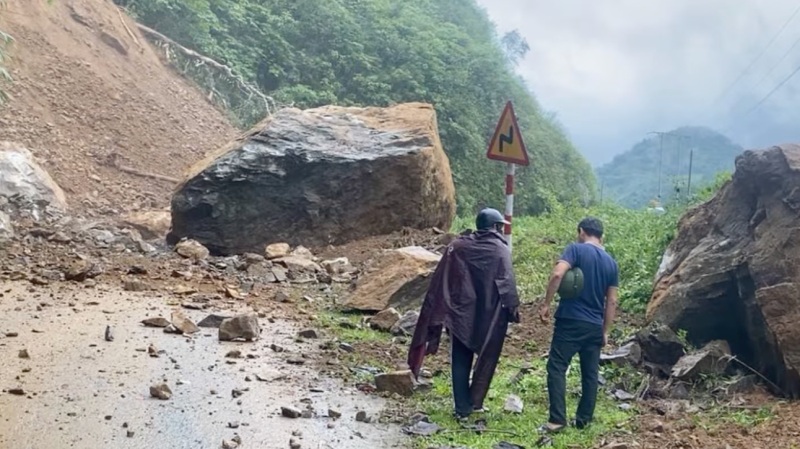
Sidewalks with cracks, rocks hanging on the mountainside, or roadbeds hollowed out by water can all become "traps" for traffic participants.
Another reality that also needs to be noted is that many landslides occur when the weather has subsided.
Heavy rain is only the starting cause, and soil and rocks can continue to move for many hours, even days afterwards. Therefore, being subjective when the weather has cleared up is extremely dangerous.
For relief teams, reporters, volunteers or people forced to enter disaster areas, risks do not only come from soil and rocks.
Temporary bridges, eroded roadbeds, subsidence holes obscured by water and mud, or streams that seem shallow but have strong currents can all lead to accidents.
Recognize danger to protect yourself
In flood conditions, no one can accurately predict the time of landslides. However, nature often sends warning signals that people can recognize if they pay attention.
A mountainside showing new cracks, small rocks continuously rolling down the road surface, water from the taluy suddenly turning cloudy or flowing stronger than normal are all unusual signs.
The sound of broken trees, rocks hitting each other, or unusual sounds coming from the mountainside should not be taken lightly.
When detecting these signs, the most important thing is to quickly leave the area.
If you are driving a vehicle, you need to find a safe location, stay away from slopes, cliffs and road sections with signs of subsidence.
Before each journey through mountainous areas after heavy rain, people should update information from local authorities and functional forces about traffic conditions.
Choosing a detour, although taking more time, is always safer than trying to pass through an area that is being warned of landslides.
In case you are forced to go to a disaster area to perform duties or support people, you should go in groups, notify the route to relatives or colleagues, prepare enough drinking water, medicine, flashlights, spare batteries and necessary communication equipment.
In particular, do not move at night or when the rain is still continuing.
In recent days, the image of hundreds of officers, soldiers, and rescue forces working day and night in the mud in Muong Than has left many emotions.
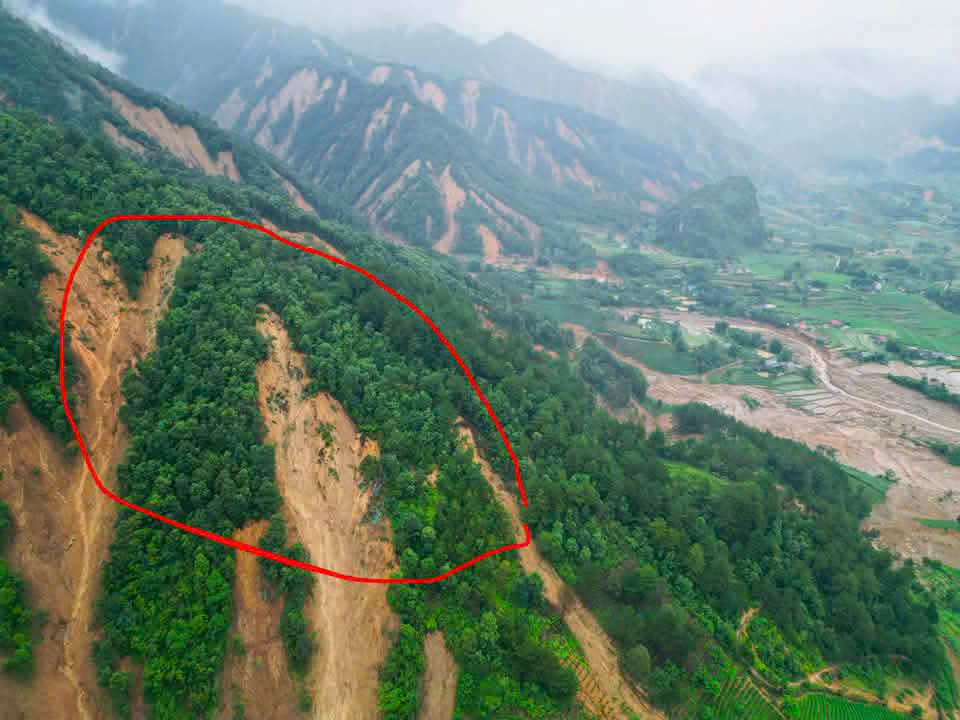
But behind each step into the dangerous area is always careful calculation, guards on duty and plans to withdraw when there are signs of unsafety.
That is also a lesson for everyone. In the face of natural disasters, calmness, complying with the warnings of functional forces and not sacrificing safety to save a few minutes of travel is the best way to protect your own life and the lives of your companions.


