Building new rural areas - with people as the center
Yen Chau commune was established on the basis of merging the entire natural area and population of Yen Chau town and the communes of Chieng Pan, Chieng Sang, Chieng Dong, Chieng Khoi, and Sup Van.
After the merger, the commune has a natural area of over 246 km2, with 57 villages, sub-regions and more than 33,000 people; there are 5 main ethnic groups: Thai, Kinh, Mong, Xinh Mun and Kho Mu living together, of which ethnic minorities account for a large proportion.
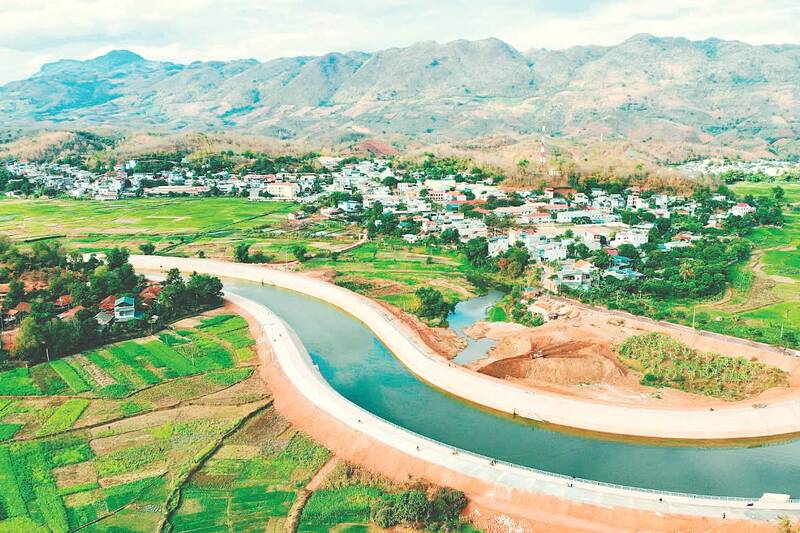
The large area, scattered population, and uneven production levels pose many challenges in the process of organizing the implementation of the National Target Program on New Rural Development. Determining this as a key and continuous task, Yen Chau commune focuses on leadership, direction, concretization of new rural criteria suitable to practical conditions, linking the responsibility of the head with the implementation results at the grassroots level.
Based on approved plans, the commune prioritizes resources for investment in essential infrastructure to serve people's livelihood and production. Many commune, inter-village and intra-village roads have been hardened, creating favorable conditions for people to travel and trade goods. The irrigation system has been gradually solidified, ensuring irrigation water for agricultural production; the national grid and domestic water are being invested in and upgraded.
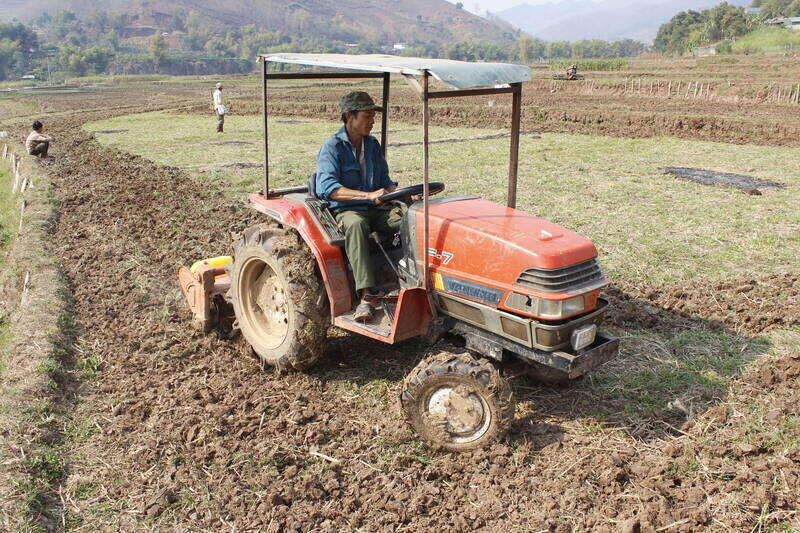
Along with that, the commune focuses on shifting the rural economic structure towards increasing value and sustainability. People are encouraged to develop agricultural production in association with the application of science and technology, forming concentrated commodity production areas, contributing to increasing income and improving their lives.

Propaganda work has been promoted, helping cadres, party members and people clearly recognize that building new rural areas is not only the task of the State but also the responsibility and rights of the people themselves.
From awareness to action to protect the rural environment
In the process of implementing new rural construction, Yen Chau commune identified environmental protection as a difficult criterion but has a key meaning, directly affecting the quality of life of the people.
In reality, when life is improved, the amount of household waste is increasing; if there is no synchronous solution, it will pollute the rural environment.
From that practice, the commune focuses on directing villages and sub-areas to promote propaganda and mobilization work to change their living habits and raise awareness of environmental sanitation. Many models of "self-management routes", "msg-free versions", "clean houses - beautiful gardens" have been implemented, initially bringing positive results.
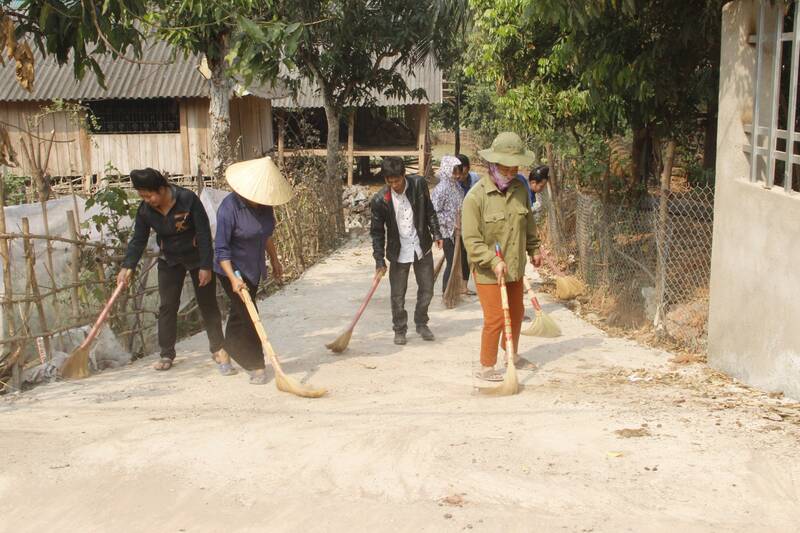
People are gradually forming the habit of collecting and classifying household waste at the source; garbage collection points are arranged appropriately, limiting littering. Regularly, the villages organize working days to clean village roads, alleys, clear sewers, and create a clean and beautiful landscape.
Ms. Hoang Thi Thanh, Muong Vat sub-area, Yen Chau commune, shared: Along with infrastructure investment, we people are propagandized and guided to protect the environment, build a clean house model - beautiful garden. My family proactively collects trash, plants trees, and maintains the campus hygiene. The living environment is cleaner, the landscape is more beautiful, and spiritual life is also significantly improved".
In addition, the commune focuses on integrating environmental protection content into village meetings, party cell activities, and activities of mass organizations. The role of the Fatherland Front and socio-political organizations is promoted in mobilizing union members and association members to take the lead, spreading beautiful actions in the community.
In 2025, the appearance of Yen Chau commune will become increasingly spacious, civilized, modern, notably the Vat stream embankment project with items to upgrade sidewalks, lighting systems, trees, creating a bright - green - clean - beautiful urban space, with a total cost of more than 126 billion VND. After the merger, the commune has met 8/19 new rural criteria.
The commune is oriented to develop the main spatial axes along National Highway 6, Provincial Road 103B and Van stream; expand the urban area to the southwest, south and northeast. Many completed key projects have created highlights in landscape and new rural architecture.
Linking environmental protection with the goal of sustainable new rural areas
According to Mr. Nguyen Van Huong - Vice Chairman of Yen Chau Commune People's Committee, building new rural areas does not stop at completing infrastructure or increasing income, but more importantly, creating a safe, clean and sustainable living environment for people. Therefore, the commune determined that environmental protection must be closely linked to each new rural criterion, each specific project and task.
"The commune focuses on directing villages to include environmental protection content in conventions and uocations; promoting the self-management role of the community. When people clearly see the practical benefits, they will proactively participate and maintain them for a long time, said Mr. Huong.
Implementing this policy, many villages have developed specific regulations on waste collection, livestock barn sanitation, and water protection. Livestock households are encouraged to relocate barns away from residential areas, apply waste treatment measures, and limit environmental pollution.
Along with that, the commune is interested in protecting the natural landscape, promoting the advantages of the area associated with the development of the agricultural economy and tourism. The planting of trees along roads and residential areas has been implemented synchronously, contributing to improving the micro climate, creating a green - clean - beautiful living space.
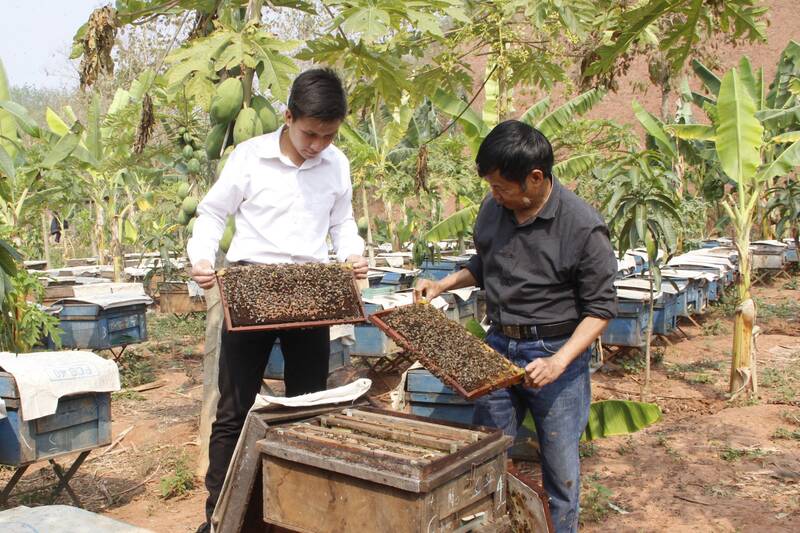
For mountainous villages where economic conditions are still difficult, the commune has increased support and technical guidance, gradually helping people change production and living habits that are not in accordance with environmental protection requirements. Thereby, contributing to narrowing the gap between regions, ensuring harmonious and sustainable development.
Spreading new rural values from the grassroots
The practice of building new rural areas in Yen Chau commune shows that when people are truly participated, discussed, worked and benefited, the criteria for new rural areas will be maintained sustainably. From concreted roads, spacious houses to an increasingly clean living environment, all contribute to changing the face of the countryside.
Many households said that in the past, environmental sanitation was not given due attention; however, when it was promoted and mobilized, people became more aware of the harmful effects of pollution and the benefits of a clean environment. From there, each family proactively arranges their house neatly, collects garbage in the right place, and joins hands to build a green - clean - beautiful village.
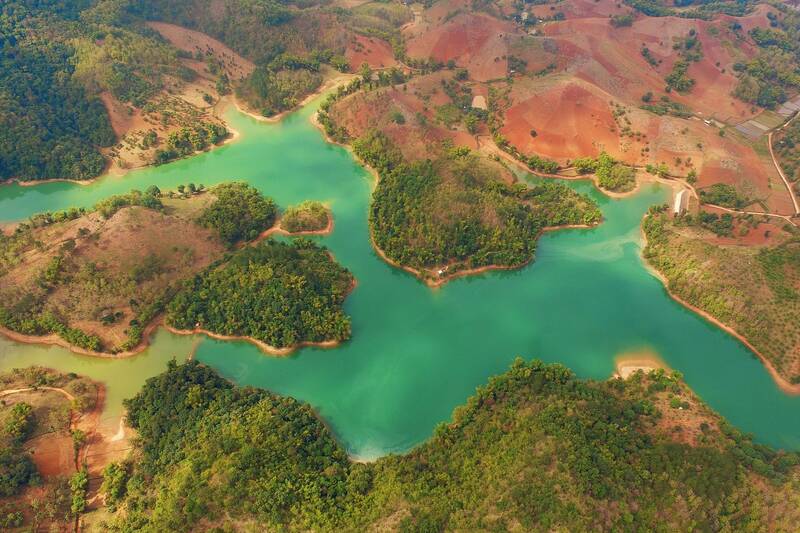
Not only improving living conditions, building new rural areas also contributes to strengthening the great national unity bloc, raising people's trust in the leadership of the Party and the management of local governments. The achieved results are a driving force for Yen Chau commune to continue to strive and improve the quality of new rural criteria in the next phase.
With high political determination, flexible and creative approaches and consensus of the people, Yen Chau commune is gradually "greening" from the new countryside - not only green in landscape and environment but also green in development thinking, towards a livable, sustainable and long-term countryside.