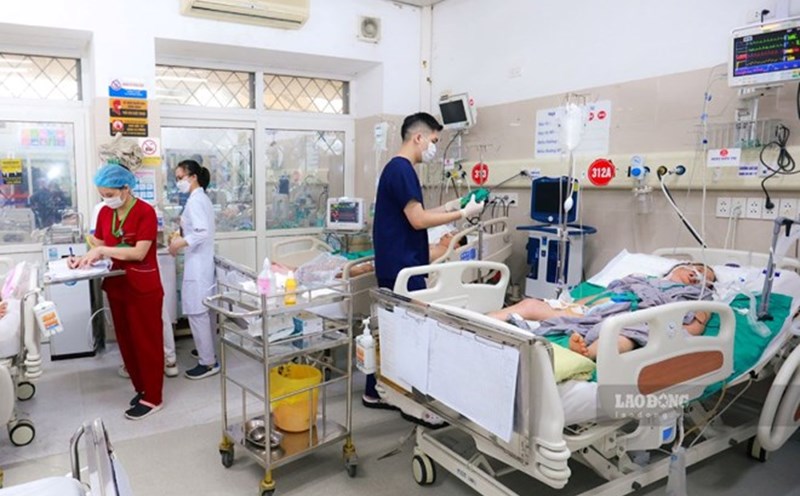
This is the first time the Ministry of Health has consulted experts, aiming to realize the policy of periodic medical examination and public hospital fees exemption.
Specificate policies with basic health service packages, implemented according to the roadmap
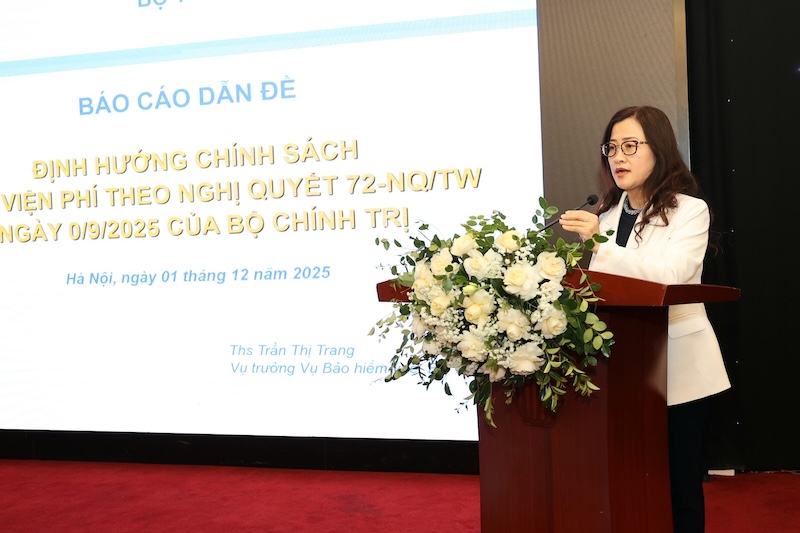
Ms. Tran Thi Trang - Director of the Department of Health Insurance (Ministry of Health) stated that the current burden of medical costs is very large, it is estimated that people will pay about 40% of the cost themselves. The total unpaid health insurance fund is estimated at about 24,800 billion VND/year.
The health insurance contribution rate is still low, at 4.5% of the salary/reference level as the contribution basis. Regarding the scope of the "hospital fee exemption" policy, Ms. Trang said that the goal of covering the entire population's health insurance is to gradually decrease, moving towards exemption of the rate of payment.
"Regarding the basic health service package under the free scope, we will determine the basic health service package under the free scope including the list of services, diseases, drugs, and medical equipment. covered common diseases, prioritize necessary diseases first, gradually expand the scope according to professional requirements in accordance with the State budget capacity, Health Insurance Fund, combined with mobilization of socialization. At the same time, build a maximum cost for one medical examination and treatment" - Ms. Trang said.
The average cost of inpatient/outpatient treatment nationwide is adjusted annually or in stages and excluding some diseases and techniques with high costs; In the immediate future, it is expected to be applied at primary and basic medical examination and treatment facilities, public and private medical examination and treatment facilities.
"The implementation is according to a roadmap, priority subjects, in accordance with the contribution level, the ability to balance the Health Insurance Fund, and socio-economic conditions in each stage" - Ms. Trang stated.
According to Ms. Trang, hospital fees are exempted for all people within the scope of the basic service package, expanded according to the roadmap and resources; increase the health insurance contribution rate from 2032 to 6%. Complete the grassroots health network and the smart, multi-layered, multi-faceted health insurance payment system.
Reducing the cost burden for people, especially the poor
Speaking at the workshop, Alternate Member of the Party Central Committee, Permanent Deputy Minister of Health Vu Manh Ha said: In 2024, Vietnam's health insurance coverage rate will reach 94.29% of the population, the health insurance examination and treatment network will be spread to the commune level, the professional capacity of specialized, basic and primary levels will be significantly improved, the list of drugs and medical equipment within the scope and rights of patients with health insurance cards will increasingly expand.
However, we also face major challenges, such as people's out-of-pocket spending estimated at over 40% of medical examination and treatment costs, still at a high level according to the World Health Organization's recommendations; The risk of poverty due to disease still exists, especially for the poor, vulnerable groups, people with chronic diseases or long-term treatment.
At the same time, financial pressure on households will be increased if there are no strong solutions from public policies.
"Therefore, the policy of gradually moving towards hospital fees exemption is an objective and urgent requirement, both demonstrating the good nature of the Vietnamese social policy system and ensuring the right to health care for the people" - said the Deputy Minister.
According to Permanent Deputy Minister Vu Manh Ha, the hospital fee exemption policy is not only a financial and medical solution, but also has a more humane and profound social significance: Reducing the cost burden for people, especially the poor and vulnerable groups; increasing fairness in access to health services, ensuring "no one is left behind"; improving the quality of health care, because when financial barriers are removed, patients will be examined and treated earlier and more effectively; promoting the completion of the health system towards sustainability, reducing the risk of people delaying or abandoning treatment due to costs.
This policy must still be based on the pillar of health insurance, with support from the state budget, and at the same time have a roadmap for implementation. The state budget and the health insurance fund will cover basic and essential medical expenses, minimizing the financial burden on people - first of all for social policy beneficiaries, disadvantaged people, low-income people and some other beneficiaries.
For the part of medical services as required, exceeding the basic level, patients still have to pay a part to raise awareness of using the service reasonably and save costs.
The policy of hospital fees exemption must therefore be closely linked to the coverage of the health insurance of the entire population, everyone participates in health insurance to share risks, people with the conditions to care for the poor, healthy people to support the weak; along with support from the state budget and social mobilization sources so that patients do not have to pay additional costs when they are unfortunately sick.