
NSND Le Tuan Cuong - Deputy Director in charge of the Vietnam National Traditional Theater - shared: "On the occasion of the 11th National Congress of the Vietnam Fatherland Front, term 2026 - 2031, we also hope that issues related to cultural development, especially the lives of artists, will continue to be given more attention. Currently, Resolution No. 80-NQ/TW of the Politburo on the development of Vietnamese culture has been issued, so artists also expect to have more specific guidelines and policies to support professionals.
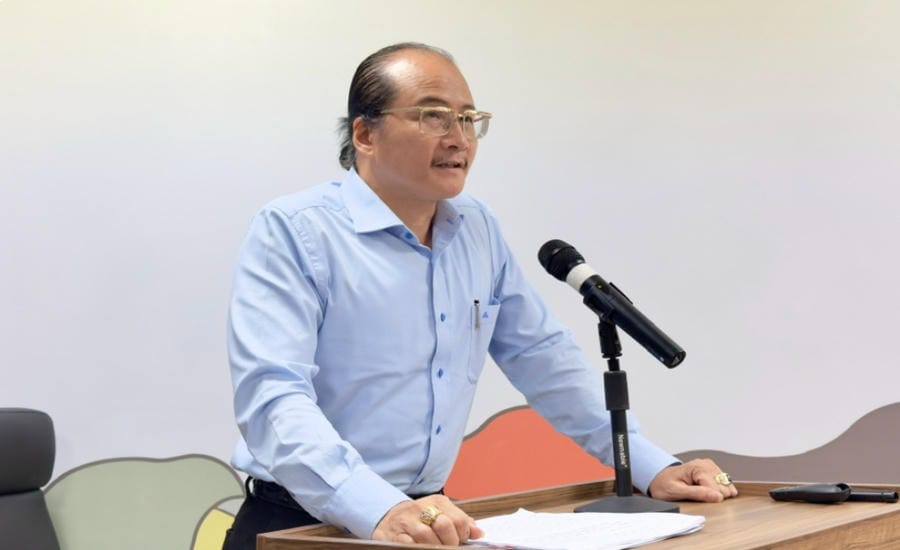
To do art, in addition to passion, you also need stable living conditions to pursue the profession for a long time, from which you can contribute to the country's culture to have more imprints and more quality products.
Meritorious Artist Quyen Linh - Vice Chairman of the Vietnam Cinema Association - expressed his expectation that the leaders of the Vietnam Fatherland Front will continue to pay attention to improving the spiritual life of the people through cultural and artistic activities, and at the same time have more support policies for the film industry in the digital age.
According to the male artist, cinema is not just an entertainment industry but also contributes to reflecting social life, conveying the spirit of humanity, compassion and promoting the image of the country and people of Vietnam. Quyen Linh hopes to have more mechanisms to support young filmmakers, protect copyright of works, create a more professional and healthy working environment for artists to feel secure in creating and contributing.
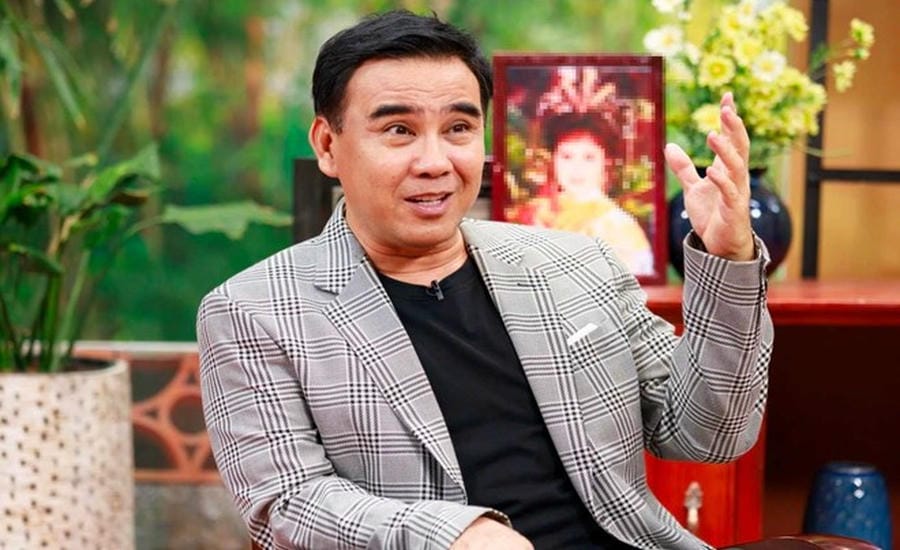
He also expects social security work to continue to be promoted, especially programs to support poor workers, vulnerable people, disadvantaged children or artists in particularly difficult circumstances.
NSND Trinh Kim Chi - Vice Chairman of the Ho Chi Minh City Theater Association said that stage art is still facing many difficulties in maintaining operations, finding new audiences and training successor forces. The female artist hopes that leaders will continue to have practical policies to support socialized theater, preserve traditional art and create conditions for young artists to pursue the profession for a long time.
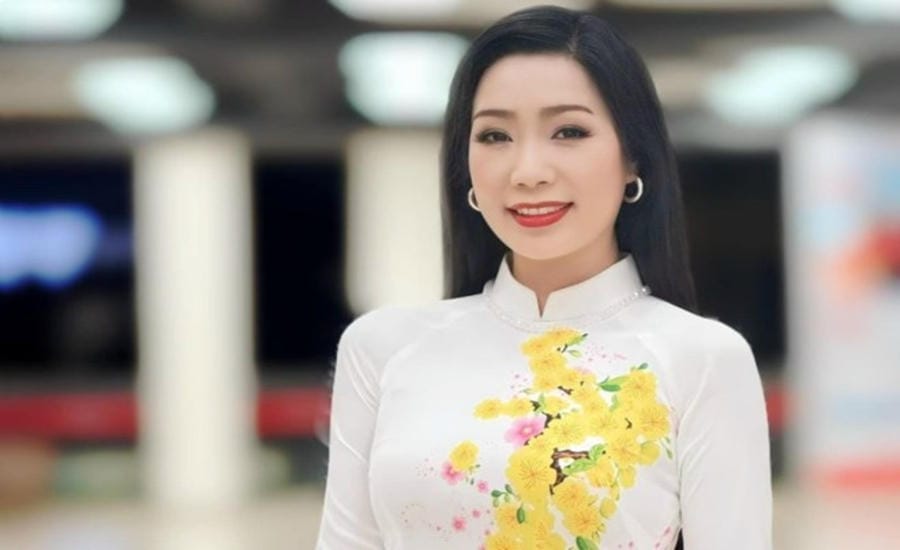
The female artist hopes that the cultural environment will become more civilized and positive, limiting the situation of false information and personal attacks on social networks so that artists have a healthy working space and are properly protected.
People's Artist Tong Toan Thang - Director of the Vietnam Circus Federation - said: "We also hope that through the role of the Vietnam Fatherland Front, there will continue to be more attention to the lives, operating conditions and opportunities for artists to contribute.
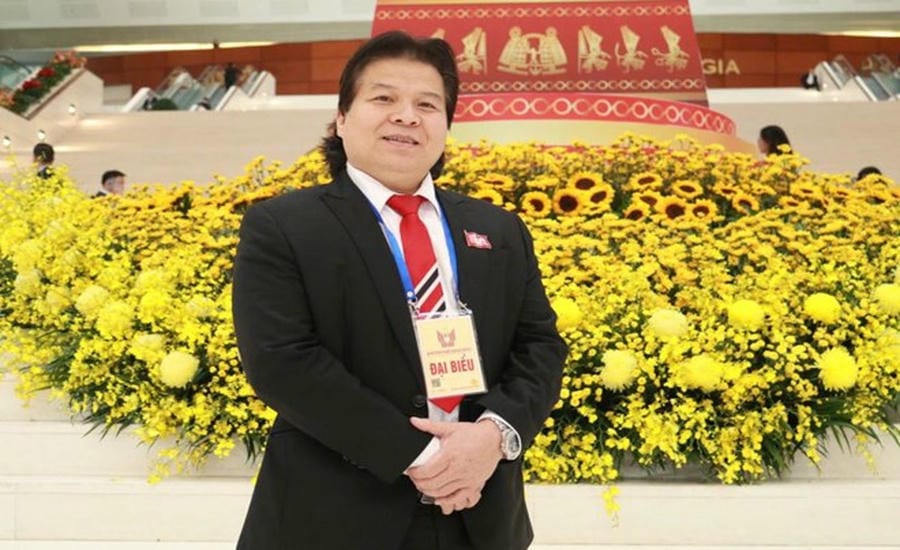
Not only artists in state-owned units, forces operating in the private sector also need to be facilitated to participate in cultural development. For circus artists - a special type, requiring physical strength, hard training and potential career risks - there needs to be appropriate policies on regimes, benefits and working conditions so that they can feel secure in sticking with and contributing”.
Mr. Nguyen Quang Thieu - Chairman of the Vietnam Writers' Association expects that the National Congress of the Vietnam Fatherland Front this time will continue to consolidate the strength of national unity, promote the role of literature and art in connecting people and spreading human values in the community.
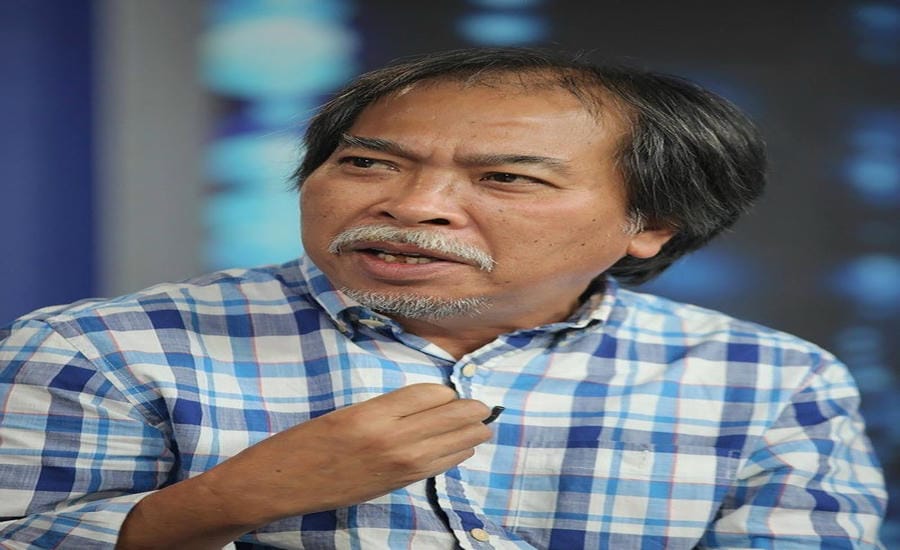
I hope that after this congress, the Vietnam Fatherland Front will have a strategy to best promote the capabilities and resources that literary and artistic associations as well as other social organizations have to fulfill their mission. Contributing more to the spiritual and cultural life as well as the great national unity bloc.
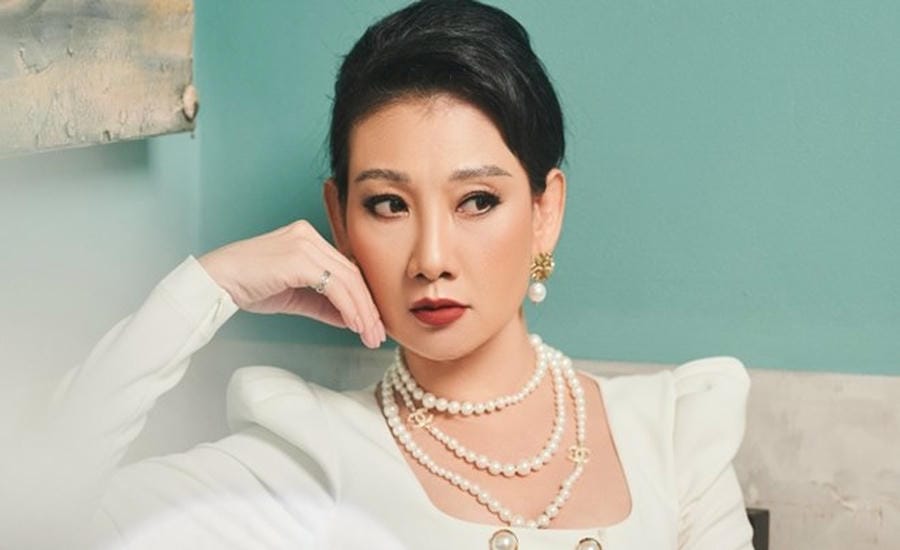
People's Artist My Uyen - Director of 5B Small Stage Drama Theater - shared that theater, cinema or traditional art forms all play an important role in nurturing the soul, educating personality and connecting the community. Therefore, she hopes that leaders at all levels will continue to invest in cultural and artistic activities, and at the same time pay more attention to social security policies for artists, especially elderly artists in difficult circumstances or operating in the traditional field.


