
Black sesame seeds are small, water droplet-shaped seeds, often appearing in Asian cuisine and folk remedies. Not only are they spices, black sesame seeds are increasingly researched from a modern nutritional perspective thanks to their content of vitamins, minerals, good fats and antioxidant compounds.
According to nutrition experts, adding black sesame to your daily diet can bring many benefits, although this is not a food with a "miraculous" effect.
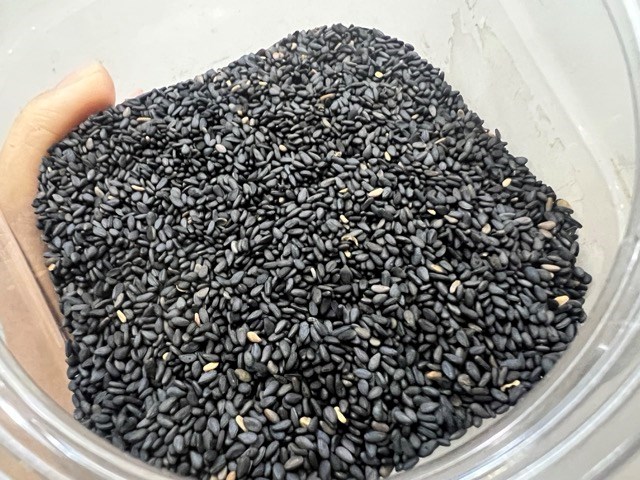
Rich in nutrients, good for the heart
Compared to white catfish, black catfish are recorded to have a higher content of protein, amino acids, vitamin E and antioxidants. These are important factors that help the body fight oxidative stress, one of the causes related to cardiovascular disease and premature aging.
Dr. Lauri Wright, Director of Nutrition Program and Associate Professor at the School of Public Health at the University of South Florida (USA), said: "Black tears are rich in healthy fats, fiber, plant proteins, calcium, magnesium, iron, zinc and antioxidants. These ingredients can support cardiovascular and metabolic health.
A small-scale study shows that supplementing with black sesame seed powder for four weeks is associated with improved systolic blood pressure and increased vitamin E levels in the blood. However, according to Ms. Diana Guevara, nutrition supervisor at the UTHealth Houston Center for Health Science (USA), this is only a short-term study with a limited number of participants, and more evidence is needed to confirm long-term effectiveness.
However, unsaturated fats and phenol compounds in black sesame seed have been scientifically proven to be beneficial for maintaining healthy cholesterol levels and reducing inflammation, key factors protecting the heart.
Supports bones, joints, skin and hair but not "panacea
Not only good for the heart, black sesame also contains many important minerals for bones such as calcium, magnesium and phosphorus. These are components that contribute to maintaining bone density, especially necessary for middle-aged and elderly people.
According to Dr. Lauri Wright, black sesame may be a useful mineral supplement, but should not completely replace other calcium sources such as milk, seafood or dark green vegetables. Food diversity is still the most important principle.
In addition, black sesame is often mentioned in word of mouth about its beauty effects on skin, hair and preventing premature graying. However, experts warn that this issue should be viewed cautiously. “Declarations about preventing graying are mainly based on folk experience, not with sufficient solid clinical evidence,” Dr. Wright emphasized.
How to supplement black sesame safely and effectively
Black sesame seeds can be easily found at food stores and used flexibly in meals. According to Diana Guevara, to increase nutrient absorption, you should lightly roast, grind or crush black sesame seeds before use. Users can sprinkle black sesame seeds on salads, oatmeal, yogurt, stir-fried dishes or smoothies.
Experts also note that you do not need to use too much. Just a small amount of black sesame each day is enough to bring nutritional benefits, while limiting the risk of excess energy.
In general, black sesame is a valuable health support food, easily included in the daily diet. However, this is not a remedy to replace treatment drugs or a balanced diet. Effectiveness only really develops when black sesame is used properly, in moderation and combined with a healthy lifestyle.
It's a bit of a bit of a bit of a bit of a bit of a bit.


