
Fresh season at the foot of the big forest
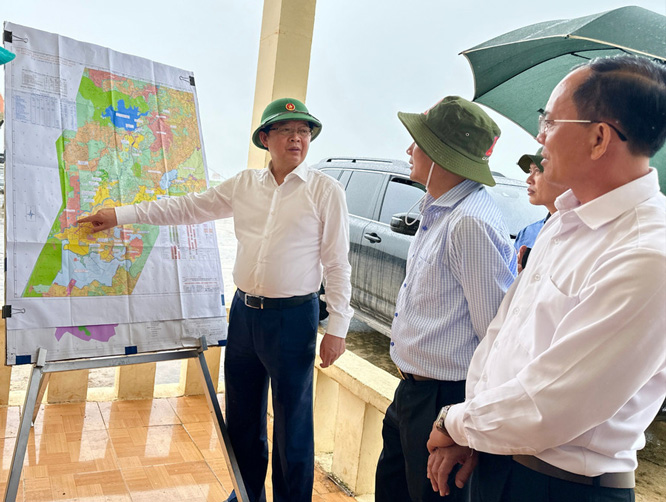
During a visit to Ia Mo border commune in August 2025, Mr. Ho Quoc Dung - Deputy Prime Minister (former Secretary of the Gia Lai Provincial Party Committee) - requested relevant departments and branches to have a plan to hand over a part of the cultivated land to ethnic minority people.
Along with vocational training, land allocation and agricultural land allocation will help people in border areas stabilize their lives in the long term, reducing the poverty rate.
Although there is great potential for land and forests, the level of cultivation is still limited, low production efficiency makes the economy of many households difficult. In recent years, with the attention of the Party and the State, the vocational training program for rural and mountainous workers implemented in Ia Mo has gradually created positive changes in production thinking, opening up many opportunities for sustainable poverty reduction for people.
The focus of vocational training in Ia Mo is to link learning content with the actual needs of the locality. Rice and livestock classes in the direction of biosafety are organized right in the village, making it easy for people to access.
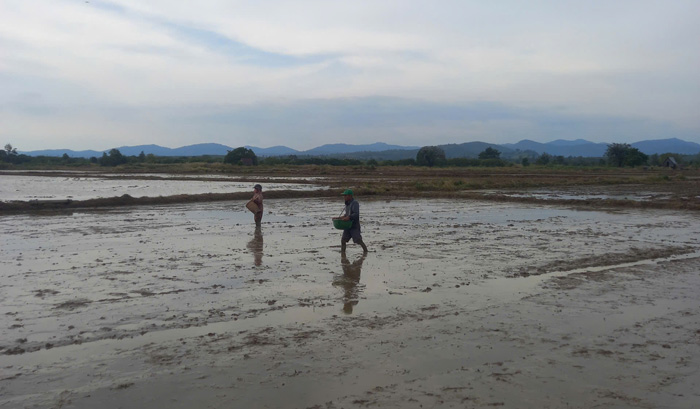
The lecturer has many years of experience, coordinating with good farmers to directly guide, "hand in hand with the work", ensuring knowledge goes hand in hand with practice. Thanks to that, many households that previously only grew rice in the fields, corn or small-scale livestock have boldly converted the structure of crops and livestock, applying new techniques to production.
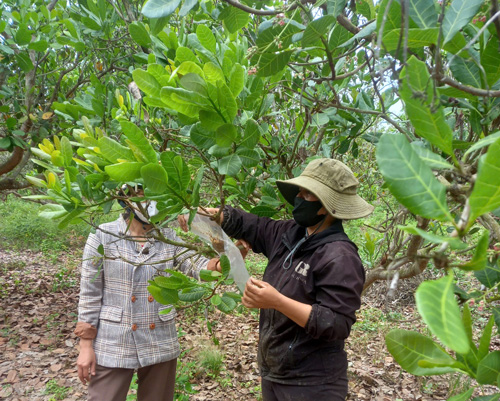
Quy Nhon College of Technology and Technology, Gia Lai province, said that for cashew trees, lecturers instruct people to plant, care for, and prune them according to the right techniques, know how to prevent pests and diseases by biological methods, reduce the cost of fertilizers and chemical pesticides.
For livestock, people are trained in techniques of barn making, vaccination, disease management, thereby significantly reducing risks and improving economic efficiency.
Mr. Ro Man Plan, Klah village, Ia Mo commune, shared: "Thanks to vocational training classes, I myself know how to take care of and grow cashew trees for a livelihood. People also go to the fields to learn how to sow young rice, bringing water into the fields to increase crop productivity".
Simple instructions and practical knowledge for people's lives have gradually helped them change their thinking and working style, hoping for a bumper harvest and a full corn stall.
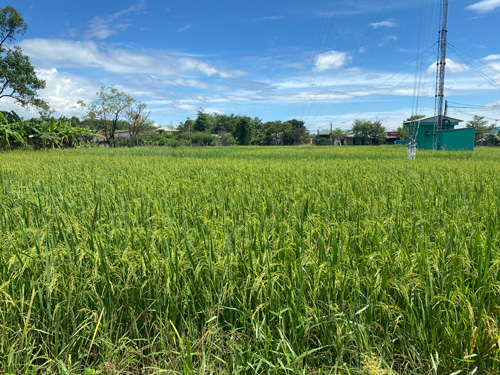
Now, walking along the roads in Klah village, it is easy to see fertile, lush rice fields next to the giant reservoir of Ia Mo irrigation. Instead of buffaloes and cows using as traps in the fields, some people have rented rice-sewing machines and mixed harvesters in Phu Thien commune to make fields.
Linking with businesses to create more jobs for workers
Ia Mo Commune People's Committee assessed that in addition to economic efficiency, vocational training also contributes to improving the spiritual life of the people. When income improves, people have the opportunity to take care of their children's education, repair their houses and buy necessary items.
The community becomes more united through joint classes and activities to exchange production experiences. Many young people who were previously at risk of going to the border for hire have been encouraged to stay and work in the locality, contributing to ensuring security and order in the border area.
Mr. Ro Mah Kin (born in 1980, residing in Klah village) said: "People want to have a job, understand advanced livestock and crop farming techniques to create jobs in their homeland. In the past, the villagers were lacking rice and hungry during the rice-bearing season, but now their lives are increasingly improved and enhanced.
Not only focusing on the agricultural occupation group, in the coming time, Ia Mo commune aims to open more non-agricultural occupation classes such as civil electricity, agricultural tool repair, civil sewing, and household-level agricultural product processing.
These vocational classes are suitable for young people or workers who want to find more seasonal jobs, create additional income, and contribute to reducing job pressure in the locality.
Thanks to vocational training programs, the awareness of Ia Mo people has changed significantly. Many households after attending the class have boldly invested in expanding the area for growing or developing cattle and poultry, contributing to reducing the rate of poor and near-poor households in the commune.
It can be affirmed that vocational training is the right and sustainable direction to improve the lives of Ia Mo people. In the coming time, to continue to promote efficiency, localities need to strengthen survey of actual needs, promote linkages with businesses to ensure product output. When people are equipped with solid knowledge and skills, Ia Mo will continue to transform, becoming a stable border area, contributing to maintaining regional sovereignty and security.


