
According to Mr. Thomas Romig, Vietnam is in a special development stage of the aviation industry with many growth opportunities and the requirement to improve quality. Built and operated on a digital platform with a high-quality airport orientation, Gia Binh International Airport will create a differentiating advantage and consolidate its competitive position right from the early stages of development.
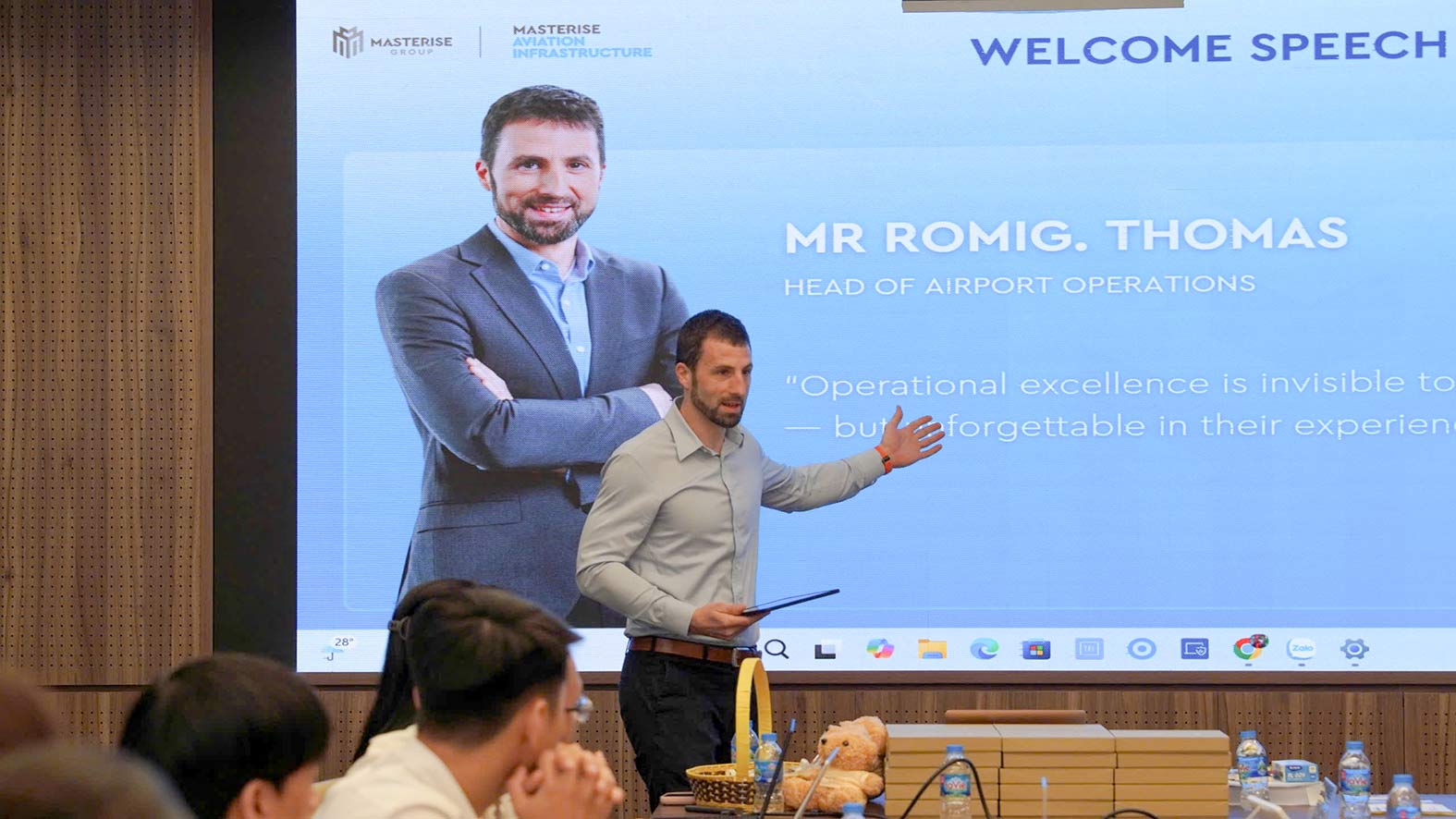
With more than 20 years of experience in the aviation industry, how do you see the development trend of the industry? What in the Gia Binh International Airport (GBIA) Project has attracted you to participate?
- Mr. Thomas Romig: The global aviation market is showing clear differentiation. While traditional markets such as Europe and North America are slowing down, the Asia-Pacific region and some African countries are recording strong growth thanks to increasing travel demand. The main driving force comes from GDP growth and positive economic factors, creating great room for the aviation industry to develop.
For GBIA, the dynamism of the Vietnamese aviation market and long-term growth potential are important factors that made me decide to participate. I want to contribute to the development and upgrading of Vietnam's aviation industry, and at the same time accompany the construction of a project with a long-term vision and many opportunities to make a mark in the region.
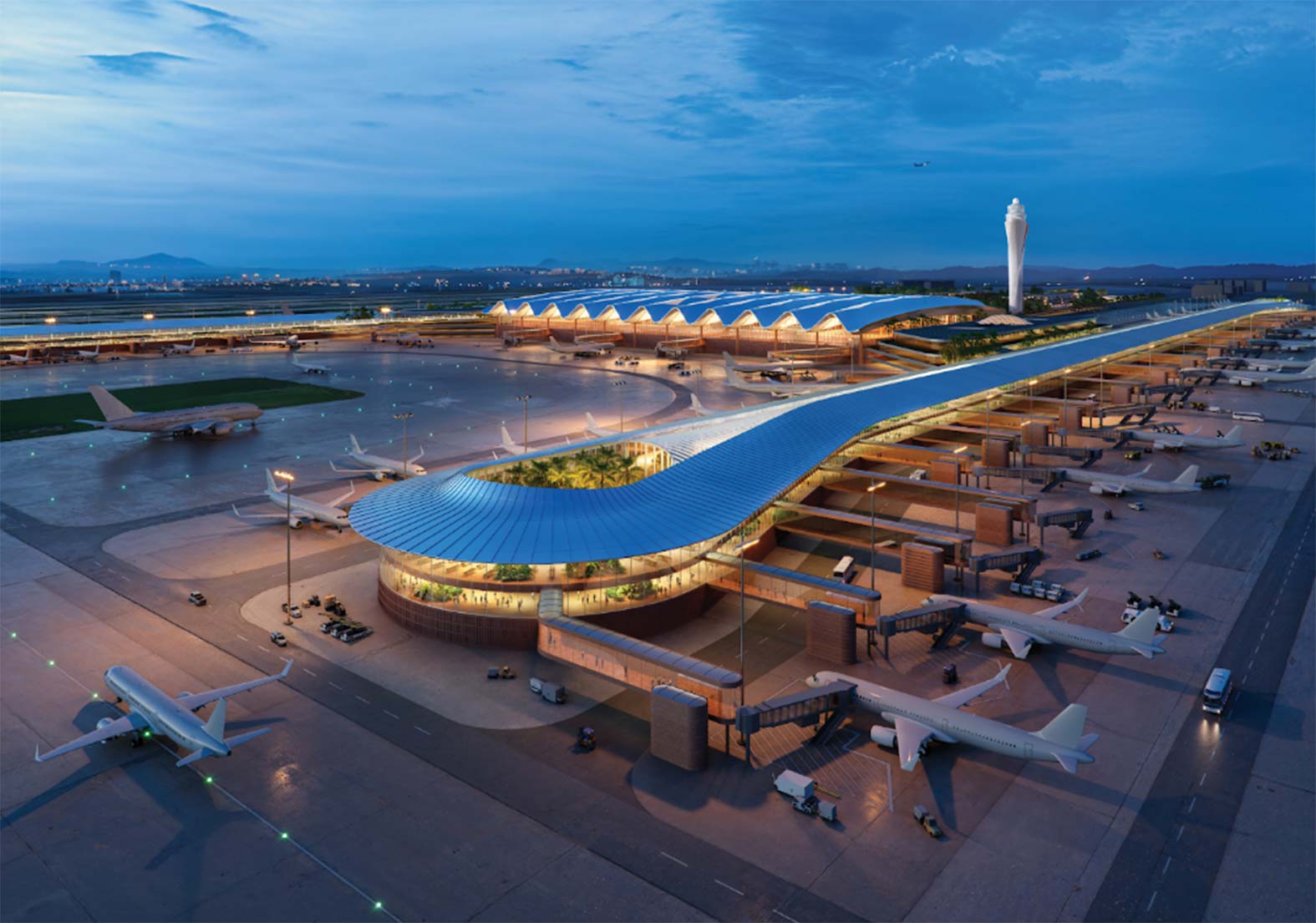
From the perspective of a global expert and Vice President of the International Airports Association (ACI), what makes you believe that GBIA can make a mark in the region and attract international experts from the early stages?
- Mr. Thomas Romig: Northern Vietnam still has a lot of room for growth in both passengers and cargo, while existing aviation infrastructure is gradually approaching capacity and has not met the corresponding service quality. This shows the urgent need for a new generation airport, not only to supplement operating capacity but also to improve experience and meet long-term growth.
In addition, competition in the aviation infrastructure sector will become increasingly clear as more new airports and transit centers are invested. This is both a driving force to promote the development of the entire industry and poses challenges in traffic allocation, positioning roles and attracting airlines to a new airport.
However, I highly appreciate the Government's determination to develop a synchronous infrastructure ecosystem, from transportation, logistics to economic space planning. This overall approach creates a solid foundation for the project.
If implemented in the right direction, Gia Binh International Airport will not only contribute to reducing pressure on existing infrastructure but also become a new growth pole of the Northern aviation industry, supplementing exploitation capacity and reshaping the market towards efficiency and sustainability.
How did the early days in Vietnam and working at GBIA bring you experience? How do you evaluate the current personnel?
- Mr. Thomas Romig: Right when I started working at Gia Binh International Airport, I was very impressed with the professionalism, sense of responsibility and dedication of the staff. Not only working methodically, they also deeply understand the Vietnamese aviation market, from operational characteristics to the growth drivers of the industry.
This is an important advantage of the project. Along with international experts, we are not here to change but to supplement experience, international perspectives, contributing to improving operating standards and developing the system towards sustainability.
After many years of working in many countries, I realize that Vietnam is in a very special development stage of the aviation industry, converging both growth opportunities and quality improvement requirements. Being accompanied by a team full of capacity and aspirations is something I really appreciate.
What impression does the working culture at GBIA leave on you? According to you, what qualities do personnel need to have to work here?
- Mr. Thomas Romig: What impressed me the most is the commitment and motivation of the team. Although the project progress is very ambitious, everyone is always ready to strive, maintain high efficiency and proactively promote work.
In my opinion, the spirit of responsibility, adaptability and steadfastness in implementation are the core qualities of GBIA personnel. This is also the foundation to help the project be implemented on schedule and realize strategic goals.
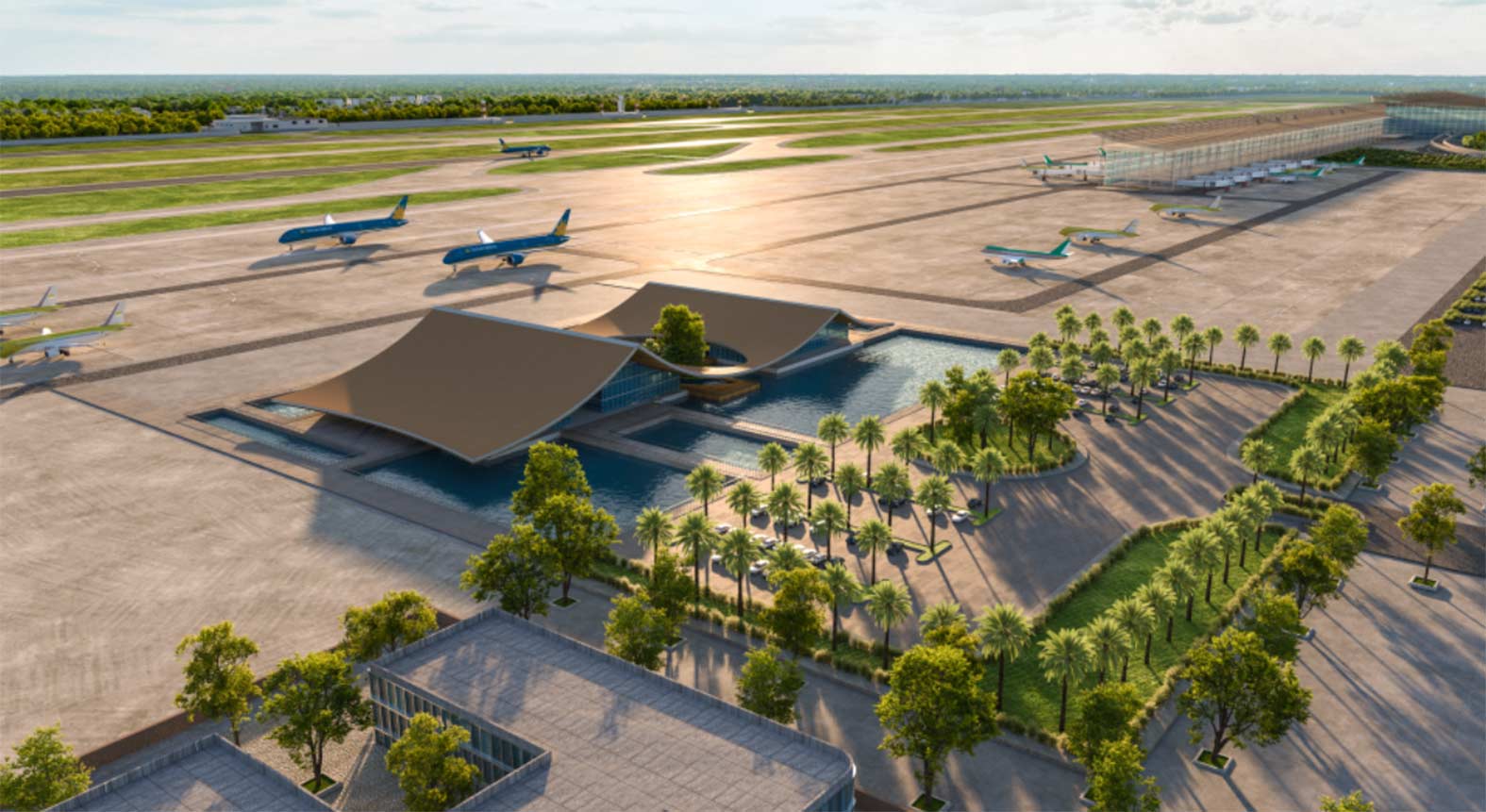
Many international experts are joining the team of GBIA. According to you, what is the greatest value of a multinational working environment?
- Mr. Thomas Romig: A diverse team is a key factor in operating a large-scale international airport, meeting high standards of quality and efficiency. Diversity is not only in nationality or expertise but also in thinking, experience and perspective, creating a flexible and highly adaptable working environment. Experiences and operating models that have been verified in the world will contribute to improving organizational capacity and shortening the process of system completion.
On that basis, Gia Binh International Airport will build a team that is both professionally solid and has international thinking, towards excellent operating standards and gradually affirming its position as a high-quality airport model in the region.
- Thank you very much!


